


More news on this day
Travelers at James M Cox Dayton International Airport faced fresh disruption today as publicly available tracking data showed 13 flight delays and two cancellations tied to operations by PSA Airlines, SkyWest and Allegiant Air across their wider U.S. networks, affecting connections to major hubs including Chicago, Atlanta and Dallas.
Get the latest news straight to your inbox!
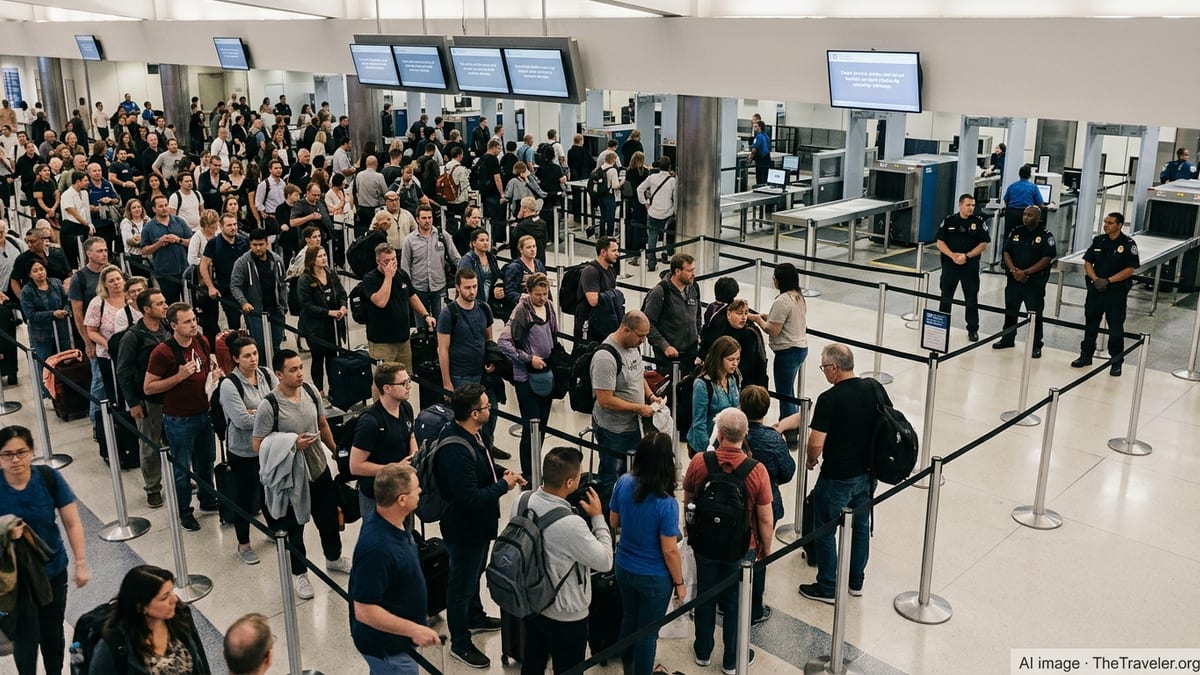
Regional Carriers at Center of Latest Dayton Slowdown
James M Cox Dayton International Airport, a modestly sized Midwestern facility with a heavy reliance on regional carriers, experienced a new round of schedule issues as the busy summer travel period intensified. Operational data for PSA Airlines and SkyWest, which fly under major airline brands, together with ultra low cost carrier Allegiant Air, indicated a handful of delayed and cancelled services touching Dayton while additional disruptions unfolded elsewhere in their networks.
Recent airport planning and traffic reports list American-branded flights operated by PSA and SkyWest, along with Allegiant’s leisure routes, among the primary scheduled services at Dayton. That concentration means even a relatively small number of delayed or cancelled flights can have an outsized effect on passenger flows, gate usage and ground handling at the airport, particularly during compressed departure banks.
Although the absolute number of affected flights remained limited, travelers connecting through larger hubs such as Chicago, Atlanta and Dallas felt the knock-on effects. Passengers arriving late into those airports often encountered missed connections or rebookings, while return services back to Dayton and other regional cities faced cascading delays as aircraft and crews rotated through the system.
Publicly available aviation forums and flight status tools suggest that such disruptions can spread quickly across regional operations. When weather or air traffic constraints slow capacity at key hubs, network planners frequently adjust smaller regional flights first, which can leave airports like Dayton more exposed to schedule volatility than their size might suggest.
Broader Pattern of Summer Air Travel Strain
The latest Dayton disruption fits into a wider pattern of U.S. air travel strain this June. Industry coverage in recent days has detailed large numbers of delayed and cancelled flights among both major and regional carriers during periods of severe weather and Federal Aviation Administration traffic management programs. These events have pushed airlines to operate close to the limits of their crew and fleet resources, leaving little margin when additional problems arise.
Reports indicate that regional operators such as SkyWest, PSA and their peers are under particular pressure as they work dense schedules feeding traffic into major hubs. When a thunderstorm line or volume restrictions reduce capacity into those airports, smaller regional flights are frequently retimed or scrubbed from the schedule so that longer haul and international services can be prioritized.
Public commentary from airline executives and industry analysts has also highlighted robust demand across the domestic market, especially to leisure destinations, at the same time that carriers are still managing aircraft delivery delays, maintenance constraints and staffing challenges in specialized roles. This combination has contributed to a fragile operating environment where relatively minor disruptions can quickly expand into network wide issues.
Travel advisory sites and passenger advocacy groups have pointed to mid June as a particularly bumpy period for flyers, with certain days seeing thousands of delays across the United States. Against that backdrop, even modest disruption at a regional airport like Dayton forms part of a larger story about the resilience of the nation’s air transport system as peak season ramps up.
Impact on Routes Linking Chicago, Atlanta, Dallas and Beyond
The day’s disruption affected flights that form essential connective tissue between Dayton and the country’s largest hubs. PSA and SkyWest services flown on behalf of major airlines play a key role in linking Dayton to cities such as Chicago, Atlanta and Dallas, where passengers transfer to a wide variety of domestic and international destinations.
When these feeder flights are delayed or cancelled, downstream impacts multiply. A late arrival into Chicago can mean missed onward flights to the West Coast, while a scrubbed departure from Dayton to Atlanta or Dallas can strand passengers trying to reach the Southeast, Texas or international gateways. Even when airlines are able to rebook travelers, available seats on later flights may be scarce during peak travel days, lengthening total journey times.
Allegiant’s point to point model introduces a different set of consequences when its operations falter. Because the carrier typically flies less frequently on each route and targets leisure travelers heading to specific vacation markets, a single delayed or cancelled flight can disrupt plans for an entire trip, especially when there is no same day alternative from the same airline.
For Dayton specifically, these network dynamics highlight how tightly integrated the airport is within the broader U.S. system despite its size. Even travelers who never set foot in Ohio can feel the effects when a regional aircraft or crew based at Dayton arrives late into a hub or cannot operate as scheduled, reducing flexibility in already constrained banks of flights.
Passengers Navigate Limited Options at a Smaller Airport
For travelers on the ground at Dayton, the experience of disruption can differ from that at a large hub. With fewer airlines, routes and daily frequencies, options for same day rebooking are limited. Publicly available traveler accounts from similar events indicate that some passengers in these situations are rerouted through alternative hubs or shifted to flights from nearby airports, adding surface travel and extra connection points to already lengthened journeys.
At the same time, smaller terminals can be easier to navigate during disruptions, with shorter security lines and more manageable crowds even when multiple flights are delayed. Local passengers familiar with the airport’s layout and amenities may be better able to reposition themselves, access updated information and adjust plans when schedules change on short notice.
Regional airports like Dayton often work with their airline partners and concessionaires to ensure basic services remain available when flights slip into the evening. Extended gate holds, rolling departure times and repositioned aircraft can test the patience of travelers, but they also reflect ongoing attempts by carriers to operate as much of the schedule as possible rather than resorting to wholesale cancellations.
From a broader perspective, the day’s limited but noticeable disruption at Dayton underscores the importance of resilience measures across the entire air travel network. As summer progresses, the performance of regional operations that connect communities such as Dayton to major hubs will remain a key factor in how reliably passengers can move through Chicago, Atlanta, Dallas and other critical nodes in the system.