


More news on this day
Passengers flying with Ryanair, easyJet, Jet2 and TUI from Manchester Airport are facing disruption today, with a series of delays affecting departures across Europe-bound leisure and city-break routes.
Get the latest news straight to your inbox!
Delays build across major leisure carriers
Live departure boards and flight-tracking data indicate that a number of services from Manchester Airport are running behind schedule today, with low-cost and leisure operators among the most affected. Flights operated by Ryanair, easyJet, Jet2 and TUI show a mix of moderate and longer delays, particularly on popular short-haul routes to Spain, Portugal, Greece and other holiday destinations.
The latest data suggests that delays are generally measured in tens of minutes rather than hours for most services, but in some cases passengers have reported longer waits in the terminal. Some departures have been pushed back multiple times as aircraft arrive late from previous sectors, a pattern that is common on busy summer schedules where aircraft are used intensively throughout the day.
While today’s disruption does not appear to match the scale of past large-scale incidents, such as UK-wide air traffic control problems or weather-related shutdowns, it has nevertheless created knock-on effects for hundreds of travellers using Manchester as their departure point.
Operational factors behind today’s disruption
Publicly available operational reporting for Manchester Airport shows that airlines such as Ryanair, easyJet, Jet2 and TUI are historically vulnerable to reactionary delays, where one late flight cascades into subsequent services. These carriers typically operate high-frequency schedules from Manchester, often turning aircraft around in relatively short timeframes, which can leave limited margin to recover from earlier disruption elsewhere in their networks.
Industry analyses of flight punctuality highlight a range of underlying causes for delays at major airports, from air traffic control restrictions and congested airspace to ground-handling bottlenecks and busy security checkpoints. Weather can intensify these pressures, especially during peak summer holiday periods when airports are operating close to capacity and runway slots are tightly managed.
Today’s pattern of delays at Manchester fits with these broader dynamics, with several flights departing late after arriving behind schedule from other European airports. In practice, this means that even a relatively short delay on an incoming service can ripple through the timetable, particularly in the late afternoon and evening when aircraft have already completed multiple rotations.
Impact on passengers and onward travel plans
For travellers, even modest delays can have a tangible impact on the overall journey. Holidaymakers heading to Mediterranean destinations with Ryanair, easyJet, Jet2 and TUI may face shortened first days at resorts, missed hotel check-in windows or rearranged ground transfers. Those with independent onward travel arrangements, such as ferries or domestic connections, can be particularly exposed if flights depart significantly later than scheduled.
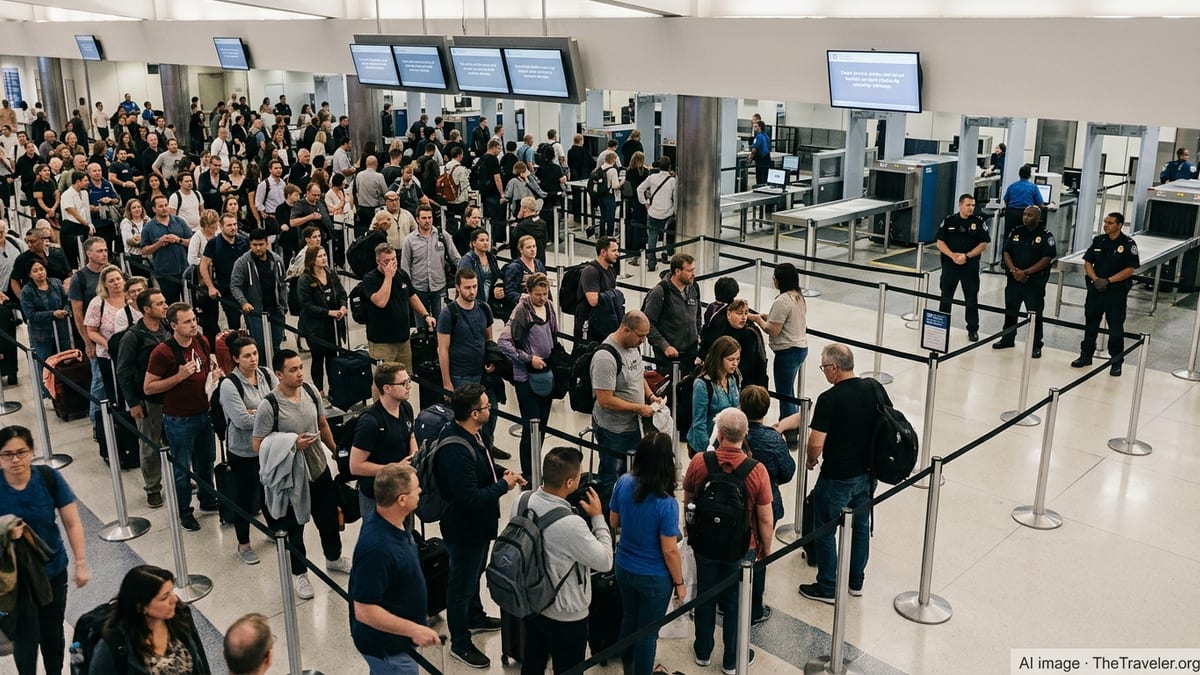
Reports from recent days at Manchester indicate that congestion at busy periods can add to the sense of disruption, with longer queues at check-in, security and boarding points when multiple delayed flights overlap. Although today’s issues appear to be concentrated on specific services rather than the entire schedule, passengers are still advised by airlines and airport guidance to allow additional time at the terminal during peak hours.
Some carriers may provide refreshments or vouchers at the airport when waiting times extend, especially in the case of more severe delays. However, the availability and extent of such support varies between airlines and often depends on the duration and cause of the disruption.
What consumer regulations mean for delayed flights
For flights departing Manchester Airport, passengers are covered by the UK’s retained version of EU261 passenger rights rules. Under this framework, travellers may be entitled to assistance and, in some circumstances, financial compensation if their flight arrives at its final destination with a delay of more than three hours and the cause is within the airline’s control, such as certain technical or operational issues.
By contrast, when delays are primarily attributed to factors considered outside an airline’s control, such as severe weather or air traffic control restrictions, carriers are generally obliged to provide care and assistance but not compensation. In practice, each disruption is assessed case by case, and passengers are often encouraged by consumer groups to keep records of boarding passes, delay notifications and any additional expenses.
Today’s pattern of delays for Ryanair, easyJet, Jet2 and TUI at Manchester Airport may therefore translate into different outcomes for passengers depending on the length of the disruption and how the cause is described in airline communications once flights are underway or completed.
Advice for travellers flying from Manchester today
Given the ongoing delays affecting some services, travellers scheduled to depart from Manchester Airport today are being encouraged through public guidance to monitor their flight status closely before setting off for the terminal. Airline apps and flight-tracking services typically provide the most up-to-date departure times, as well as gate information once it is allocated.
Passengers are also advised in published travel guidance to arrive well ahead of their scheduled departure time, particularly during school holidays and other busy periods, to allow for potential queues at check-in and security. Even when a flight is delayed, check-in and bag-drop desks may still close at the original time, making it important not to assume that a later departure automatically means a later cut-off for airport formalities.
Those already at the airport are generally encouraged to stay close to the departure gate area once it is announced, as crews may seize opportunities to depart earlier than a previously delayed estimate if conditions improve or an aircraft becomes available sooner than expected. In a fluid operating environment, departure times can be brought forward as well as pushed back, especially when airlines are working to recover their schedules after earlier disruption.