


More news on this day
Delta Air Lines has chosen Amazon’s Leo satellite network rather than SpaceX’s Starlink for its next generation of inflight Wi‑Fi, aligning with a broader U.S. tilt toward the Amazon system and igniting debate over whether branding disputes and data control concerns could slow adoption of the world’s fastest airborne internet.
Get the latest news straight to your inbox!
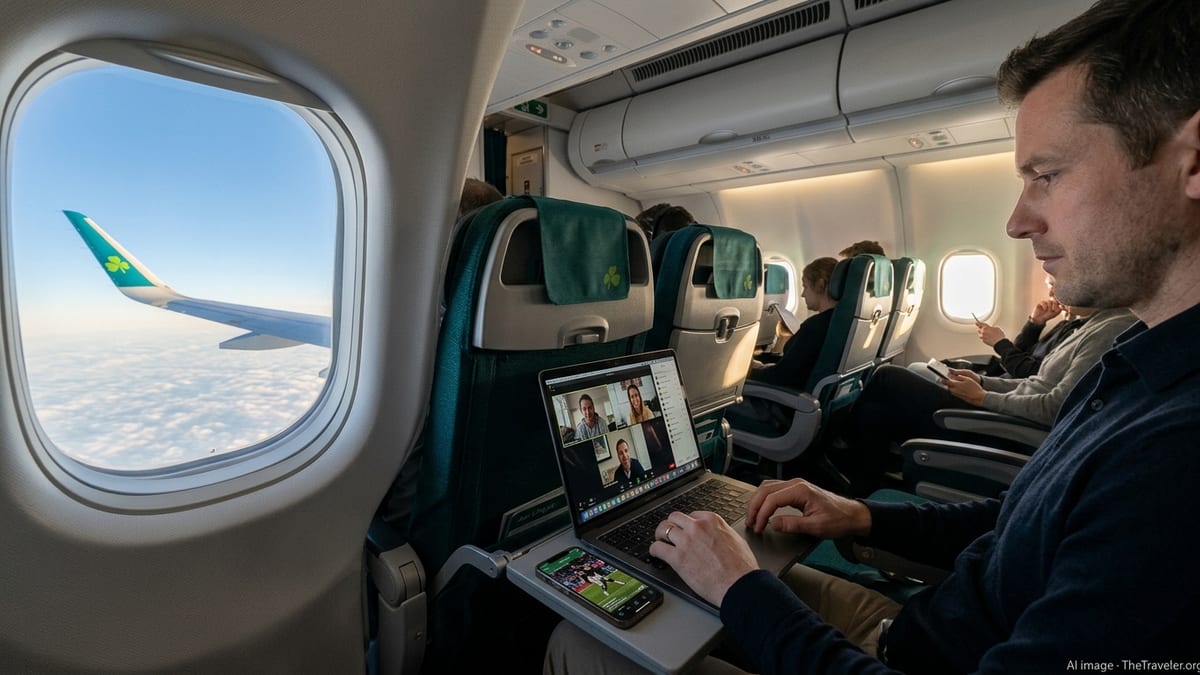
Delta’s Long-Awaited Satellite Move Favors Amazon Over Starlink
Delta confirmed in late March 2026 that it has signed a multi‑year agreement to equip an initial 500 aircraft with Amazon Leo connectivity, with installations scheduled to begin in 2028. Publicly available information from Delta’s announcement and subsequent industry coverage indicates that the service will plug directly into the carrier’s Delta Sync platform, promising higher speeds and lower latency than its current mix of ground and geostationary satellite links.
The decision arrives after several years in which Delta evaluated next‑generation satellite options while rivals such as United Airlines and Southwest moved ahead with Starlink on large portions of their fleets. United in particular has made Starlink a centerpiece of its onboard experience, touting free, fast Wi‑Fi and marketing campaigns built around the new service as installations passed the 300‑aircraft mark earlier this year.
By contrast, Delta is positioning Amazon Leo as a way to leapfrog its own legacy systems rather than chase Starlink directly. Company materials describe a phased approach, with Amazon’s low Earth orbit constellation intended to augment, not immediately replace, existing partnerships with Viasat, Hughes and other providers so that the “right aircraft” get the “right technology” for specific routes and coverage zones.
For now, that means Delta’s customers will continue to see a patchwork of connectivity solutions while they wait for the Leo rollout. The first fully Amazon‑equipped Delta jets are unlikely to enter regular service until the end of this decade, while Starlink is already flying on hundreds of United departures each day.
Branding and Data Control At The Heart Of The Split
Behind the differing timelines, industry analysts point to softer factors that appear to have shaped decisions in Washington and at airline headquarters, including control over branding and ownership of passenger data. Starlink’s aviation product arrives as a complete, consumer‑visible package, from its name to the onboard login portals, an approach that has appealed to carriers eager to market “powered by Starlink” Wi‑Fi as a differentiator.
For other airlines and regulators, that degree of Starlink visibility may raise questions about who ultimately owns the customer relationship in the cabin. Aviation and technology coverage has highlighted concerns that Starlink’s standard terms seek broad access to usage patterns and technical information transiting its network, an issue that could sit uneasily with airlines intent on keeping tight control over loyalty data and retail opportunities.
Amazon’s Leo offering, by contrast, is being positioned more as a white‑label backbone that plugs into an airline’s own digital ecosystem. Reporting on the Delta agreement notes that the carrier plans to foreground its existing Delta Sync identity, while Amazon’s Leo brand plays a supporting role. That structure aligns with long‑standing airline preferences to keep the inflight experience framed around their own apps, log‑ins and entertainment platforms.
In the U.S. policy arena, publicly available filings and commentary show that Amazon has also emphasized integration with domestic cloud infrastructure and potential synergies with federal connectivity programs, themes likely to resonate with regulators evaluating foreign‑launched satellite constellations and their role in strategic communications.
Competitive Stakes: Speed Today Versus Promise Tomorrow
The practical effect of these divergent choices is emerging most clearly in the competitive landscape between United and Delta. Tech and travel reviewers who have tested United’s Starlink service over the past year consistently describe performance that resembles a modern home broadband connection, with streaming, video calls and large downloads functioning smoothly at cruising altitude.
Those accounts have helped United position itself as the U.S. network carrier where high‑performance inflight internet is already a reality rather than a future pledge. The airline has coupled that message with free access and simple login flows tied to its MileagePlus program, turning Wi‑Fi into a core element of its value proposition on both regional and mainline aircraft.
Delta, meanwhile, is banking on Amazon Leo to close and eventually erase that gap, but its 2028 start date sets a slower trajectory. While the Leo constellation is designed to support high throughput and global coverage comparable on paper to Starlink, the technology remains in the deployment phase. Analysts point out that passengers in the second half of this decade will likely experience a period in which United’s Starlink network is mature and widely available, while Delta’s Leo‑powered offering is still being phased in plane by plane.
For frequent flyers choosing between carriers on longer domestic or transcontinental routes, that timing could matter. Travelers already weigh aircraft type and seat configuration when shopping; network performance data for inflight Wi‑Fi is increasingly entering that calculus, especially for business customers who view a reliable connection as non‑negotiable.
Implications For U.S. Aviation and the Satellite Race
Delta’s Amazon partnership also feeds into a broader narrative about how the United States is structuring its commercial space and connectivity ecosystem. With United, Southwest and a growing roster of international airlines embracing Starlink, and Delta and JetBlue committing to Amazon Leo, the U.S. market is fast becoming a high‑profile proving ground for two rival low Earth orbit architectures.
Travel industry observers note that this bifurcation could ultimately benefit passengers if it triggers sustained competition on performance, pricing and coverage. Both Starlink and Amazon Leo are racing to add satellites, certify new antennas and win airline contracts, a dynamic likely to accelerate innovation and expand service into more regional and international markets over the next decade.
At the same time, the presence of parallel systems raises operational and regulatory questions. Airlines will need to manage integration across multiple satellite partners, cabin portals and billing platforms, while aviation authorities monitor how these constellations interact with air traffic communications and safety systems. Publicly available documentation from both companies emphasizes separation between passenger connectivity and critical cockpit channels, but continued oversight will be required as hardware evolves.
For now, the clearest takeaway for travelers is that the inflight Wi‑Fi experience across U.S. skies is diverging sharply by carrier and by route. United customers are already seeing the impact of Starlink’s aggressive aviation push, while Delta passengers are being asked to wait for an Amazon‑powered future that promises equally transformative connectivity, albeit on a longer timetable shaped by branding, data and strategic considerations as much as raw speed.