


More news on this day
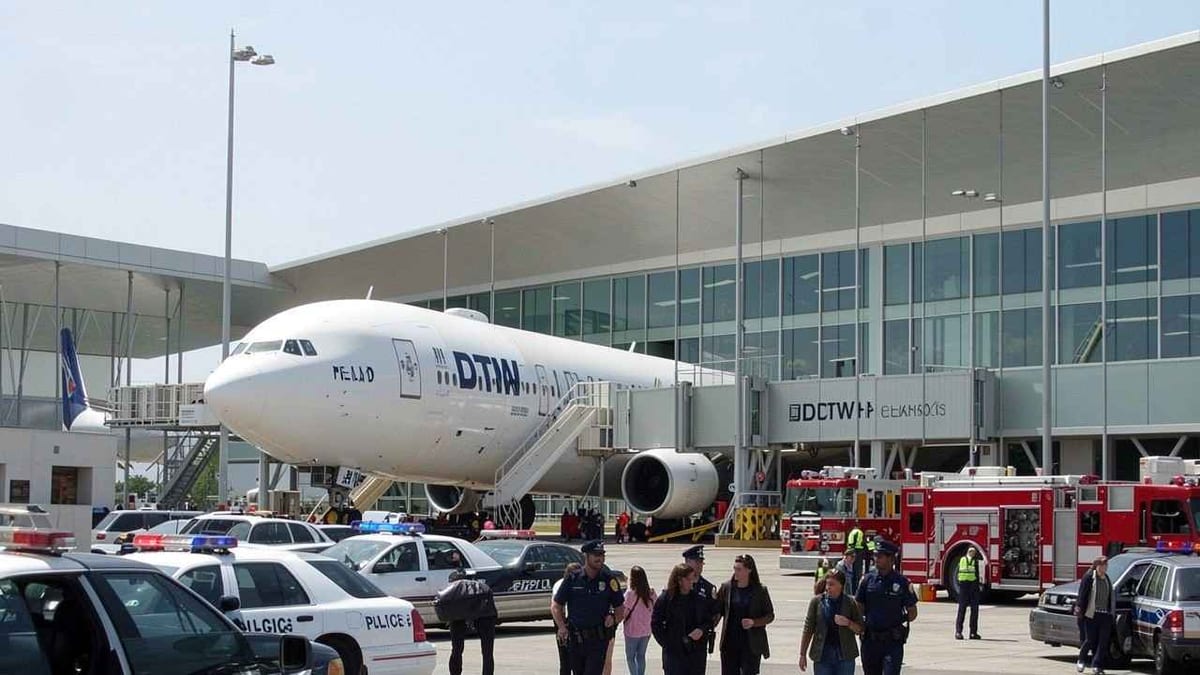
A Delta Connection service from Cleveland to Detroit was canceled after police removed a flight attendant who had allegedly been fighting with a colleague on board, leaving passengers facing overnight delays and renewed questions about onboard conduct and airline staffing practices.
Get the latest news straight to your inbox!
Altercation on Regional Delta Connection Service
The incident occurred on Delta flight 4854, a regional service operated by Endeavor Air between Cleveland Hopkins International Airport and Detroit Metropolitan Wayne County Airport. Publicly available flight data and aviation reports indicate the disruption took place on May 27, 2026, during what was scheduled to be a routine short-haul trip.
According to multiple passenger accounts summarized in online aviation forums and subsequent news coverage, tensions between two flight attendants reportedly escalated during the beverage service. What began as verbal disagreements reportedly turned into a physical altercation, with objects such as ice and water allegedly thrown before one crew member was struck.
Reports describe the situation as unfolding in the cabin while the aircraft was still on the ground in Cleveland or early in the service phase, rather than in the cruise portion of the flight. The dispute prompted involvement from airport law enforcement, who boarded the aircraft to remove at least one of the attendants from duty.
Passengers were informed that the flight would not continue as planned. The airline subsequently listed a crew shortage as the reason for cancellation, a standard classification when there are not enough qualified personnel to operate a flight under federal safety rules.
Police Response and Flight Cancellation
Accounts shared by travelers indicate that a Cleveland police officer or airport law enforcement official boarded the aircraft after the conflict between the attendants was reported. One of the flight attendants was escorted from the plane, and the crew complement was left below the minimum required for departure.
Without sufficient cabin crew, the operator could not legally continue the flight. Delta’s systems ultimately registered the service as canceled, and passengers were directed to rebooking options for travel to Detroit on the following day. Some travelers reportedly received overnight accommodations or were forced to adjust onward connections as they attempted to complete their journeys.
Publicly accessible aviation logs show flight 4854 as a same-day cancellation attributed to lack of crew. That designation reflects regulatory requirements that define how many flight attendants must be on board, based on the aircraft type and number of seats, before a flight is permitted to depart.
Local media and aviation-focused outlets have highlighted the unusual nature of a cancellation attributed to an internal crew conflict rather than weather, mechanical issues, or broader operational disruptions. While unruly passenger incidents have become more familiar to travelers in recent years, conflicts involving airline employees themselves are far less commonly reported.
Passenger Impact and Rebooking Challenges
The cancellation of the Cleveland to Detroit service left passengers facing a range of disruptions. Some travelers described being rebooked for the next day’s flights to Detroit, extending what is typically a short regional hop into an overnight delay. For those with tight connections or same-day commitments, the change reportedly led to missed meetings and rearranged plans.
Available accounts indicate that the aircraft remained at the gate while the incident was addressed, and passengers waited for updates as the situation unfolded. Once it became clear the flight would not operate, travelers disembarked and sought assistance from customer service agents in the terminal or through airline digital channels.
Public guidance materials on Delta’s cancellation policies describe how customers on disrupted flights can request rebooking or refunds, depending on the circumstances and the nature of their tickets. In practice, however, passengers often face limited seat availability on later flights, especially when regional services connect to a busy hub like Detroit.
The episode also underscores how even a single staffing issue on a regional jet can cascade into significant inconvenience for travelers. With fewer seats and less frequent departures on some routes, a single canceled rotation can be harder to absorb than a disruption on a larger mainline flight with multiple daily alternatives.
Spotlight on Onboard Conduct and Airline Procedures
The confrontation between the flight attendants comes at a time when behavior in the aircraft cabin is receiving heightened attention across the industry. In recent years, airlines and regulators have reported increased numbers of unruly passenger cases, leading to diversions, arrests, and permanent bans for some individuals. This incident stands out because it centers on crew members, who are typically responsible for enforcing order and safety on board.
Training materials and publicly available manuals for cabin crew emphasize de-escalation, conflict management, and professional conduct, particularly in the confined environment of an aircraft. When disputes involve airline employees themselves, carriers may launch internal reviews that can include human resources processes, union representation where applicable, and potential disciplinary measures.
Aviation safety analysts note that any breakdown in coordination among crew members can have implications beyond the immediate disagreement. Cabin crews are tasked with managing emergencies, assisting passengers with special needs, and supporting pilots in maintaining a safe operation. Disruptions in that teamwork, even if rare, raise questions about how airlines screen, train, and support staff to handle stress and interpersonal conflict.
Publicly available information about this case does not yet detail any formal outcomes for the individuals involved, such as suspensions or policy changes. However, coverage in aviation-focused publications suggests the incident may prompt fresh scrutiny of how regional operators and mainline carriers monitor crew dynamics and respond when internal disputes threaten the operation of a flight.
Operational Strain and Brand Perception
For Delta and its regional partners, the episode adds to a broader context of operational challenges in recent years, ranging from large-scale scheduling disruptions to ongoing staffing pressures. While weather and technology outages are the most visible contributors to cancellations, less common events such as crew conflicts can also interrupt service and affect customer perceptions.
Industry observers point out that carriers have invested in customer-experience initiatives, including enhanced communication tools and rebooking options, to manage the fallout from irregular operations. Even so, passengers caught in unexpected cancellations often express frustration when the cause appears preventable or unrelated to external factors.
Brand reputation can be sensitive to incidents that suggest lapses in professionalism or internal control. When reports surface that a flight was canceled after a physical dispute between employees, it risks overshadowing the airline’s efforts to promote reliability and safety. Travelers may view such events as symptomatic of deeper cultural or staffing issues, even if they are isolated cases.
Analysts note that regional partners like Endeavor Air operate under the mainline carrier’s brand, so any high-profile irregularity is likely to be associated with Delta itself in the public mind. How the company addresses the incident internally, and whether it communicates any changes in training or procedures, may influence how both customers and employees perceive the airline’s commitment to professionalism and safety.