


More news on this day
As hundreds of long-stay residents from the Villa Vie Odyssey scramble for hotel rooms and flights out of Sihanoukville, Cambodia, at least one passenger is arguing that the abrupt shutdown of the so‑called “forever cruise” did not come out of the blue.
Get the latest news straight to your inbox!
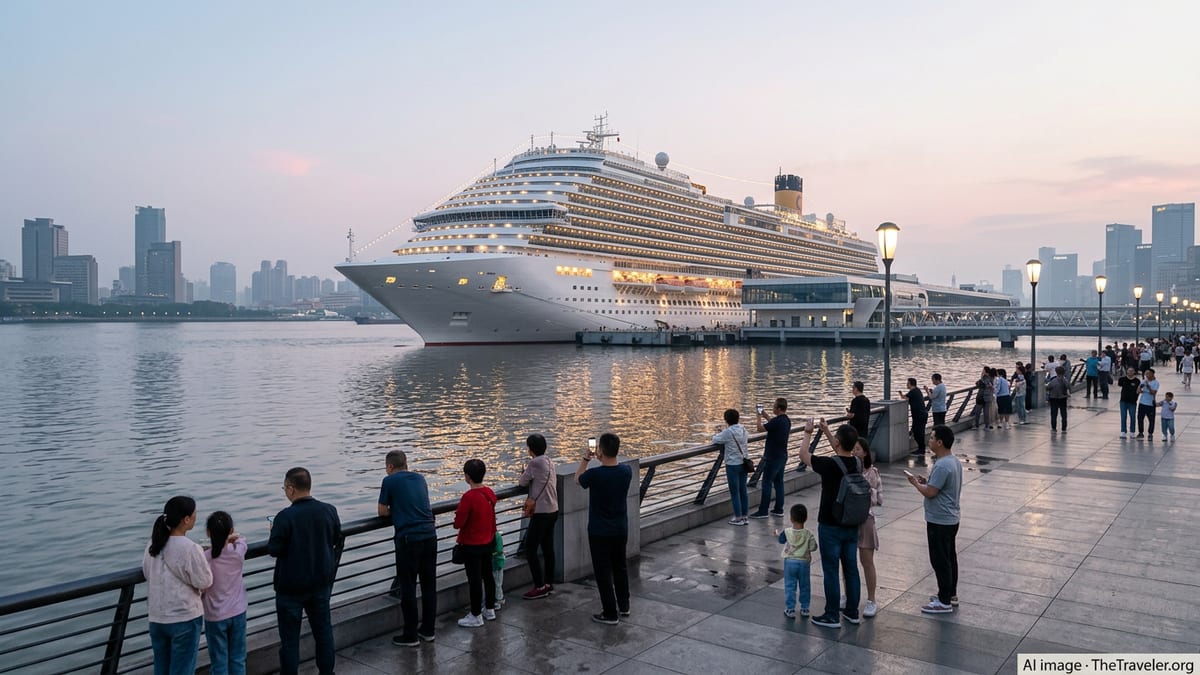
A “forever cruise” that stopped short in Sihanoukville
The Villa Vie Odyssey, operated by Florida based Villa Vie Residences, was designed as a residential ship offering multi year continuous world travel rather than conventional point to point cruising. Marketing materials described a three and a half year circumnavigation starting in October 2024, visiting more than 400 ports and allowing passengers to buy or lease cabins as floating homes with monthly service fees.
Publicly available itineraries and brochures show cabin purchase prices starting just under 120,000 dollars for permanent rights, with monthly fees for couples around 5,000 dollars and premium suites priced substantially higher. The ship, built in 1993 and heavily refurbished before launch, could carry around 650 residents, although published coverage indicates it sailed well below that capacity for most of its voyage.
On 27 October 2026, Villa Vie announced that it was suspending operations and placing the Odyssey into lay up in Sihanoukville, citing a steep rise in fuel costs. Company statements referenced fuel expenses that had historically averaged about 1,800 dollars per cabin each month, rising to between 6,000 and 8,000 dollars in parts of Asia, which the operator linked to the impact of the war in Iran on marine fuel prices.
Reports from Cambodia describe residents being given only hours to pack their cabins and leave the vessel, with more than 200 long term passengers and over 150 crew affected. Coverage in multiple outlets notes that passengers were advised the pause could last at least 60 days while the company seeks new funding or a restructuring plan.
Passenger recalls early warning signs at sea
In an interview highlighted by AOL and other outlets, one Odyssey resident said that the real warning signs began months before the fuel crisis culminated in Cambodia. According to that account, there were already visible cutbacks and irregularities in recent months, including reduced services and unusual changes to port calls that raised concerns among some people living on board.
The same passenger pointed to itinerary shifts where the ship reportedly left some ports earlier than planned and lingered longer in others, changes that observers have since linked to efforts to conserve fuel and manage costs. Residents also described small but telling adjustments such as scaled back fitness programming, slimmer dinner menus, interruptions to laundry services and patchier internet access in the weeks leading up to the shutdown.
Another episode that passengers have cited as a red flag was a reported September meeting in which cabin owners were asked to help raise one million dollars so the ship could depart Ha Long Bay, Vietnam. Accounts shared with major broadcasters and travel publications suggest that this unusual funding appeal, framed as a bridge to keep the cruise moving, left some residents uneasy about the line’s underlying finances.
Blogs maintained by residents who had chronicled the Odyssey since its departure from Belfast also noted earlier operational hiccups, including delays to the initial start of the voyage and repeated adjustments to schedules. In retrospect, some passengers now see these events as part of a longer pattern of financial strain that predated the Cambodia lay up.
Financial model under pressure long before fuel spike
Analyses of the Villa Vie business model published in trade and mainstream media suggest that the project faced structural financial challenges beyond the recent surge in fuel prices. From launch, the Odyssey relied on selling a limited number of high value cabin rights and charging monthly service fees to cover operating expenses, including crew salaries, maintenance, port charges and fuel on a continuously moving ship.
Reports indicate that the vessel rarely approached its design capacity. Estimates from resident bloggers and industry coverage put the number of people on board at roughly 200 to a little over 200 by late 2026, far below the 650 passenger maximum. With fewer cabins generating monthly fees, the revenue base may have been too narrow to comfortably absorb shocks such as a rapid rise in fuel prices.
In July 2026, according to documents and coverage reviewed by CBS News and other outlets, Villa Vie was still promoting plans for a second ship called the Legacy, even as it was seeking fresh capital. The company opened a bridge program that allowed buyers of the future vessel to move immediately onto the Odyssey, a move that some analysts now describe as a sign of financial stress rather than expansion.
By the time the Odyssey reached Southeast Asia in October 2026, Villa Vie’s exposure to spot market fuel prices and the absence of clearly communicated hedging strategies had become critical issues. Commentators following the residential cruise sector have contrasted Villa Vie’s approach with longer established residence at sea operations that maintain higher occupancy levels and appear to use more conservative fuel and itinerary planning.
Inside the abrupt disembarkation in Cambodia
According to publicly available timelines, the Odyssey arrived in Sihanoukville after sailing from Thailand, docking at the Cambodian port on 23 October 2026 with just over 200 guests and more than 150 crew. Cambodian news reports and international wire coverage state that passengers were notified on the morning of 27 October that the voyage was being suspended and that they would need to leave the ship the same day.
Accounts gathered by international broadcasters, regional outlets and cruise news sites describe residents receiving a written notice from company leadership early that morning, followed by briefings on board. Several passengers say they were initially told they had around seven hours to pack up their belongings and disembark with everything they owned, since many had sold homes or given up long term leases to move onto the ship.
Coverage from cruise focused publications notes that Villa Vie arranged shuttles into town and said it would assist residents with temporary accommodation and onward travel, but passengers report that arrangements on the ground varied widely. Some residents booked their own hotels and flights at short notice, while others waited for guidance, uncertain whether they would be reimbursed and what would happen to their long term residency agreements.
At the same time, Villa Vie stated in a news release that crew would remain on board to maintain essential systems while the ship was in lay up. Industry observers say that keeping a skeleton crew on the vessel is standard practice, but that the abrupt removal of paying residents underscores how quickly the company’s cash position appears to have deteriorated.
Uncertain future for residents and the ship
As of late October 2026, Villa Vie says it is pursuing a 60 day restructuring period to address fuel expenses and explore options for recapitalizing the business. Public statements have not yet detailed how existing cabin owners or long term leaseholders will be compensated if the voyage does not restart, or whether an alternative ship or modified itinerary could be offered.
Residents interviewed across multiple outlets express a mixture of frustration, disappointment and lingering hope. Many had committed a significant portion of their savings to life at sea, with some selling primary homes or downsizing retirement plans in order to buy into the Odyssey. With the ship now laid up in Cambodia, they are suddenly facing rent, hotel and airfare costs on land, often in foreign countries far from their original home bases.
Specialists who follow maritime and hospitality investments note that the Odyssey’s troubles may reverberate beyond a single company. The ship’s halt raises questions about the sustainability of emerging residential cruise models that promise multi year or open ended voyages at relatively accessible price points compared with ultra luxury residential vessels.
For passengers still stranded or recently returned home, the focus remains on immediate practicalities such as refunds, contract rights and replacement accommodation. For prospective residents considering similar ventures, the experience of the Villa Vie Odyssey passenger who insists that warning signs were visible long before Cambodia is likely to become a touchstone case study in reading the fine print, watching for operational red flags and understanding the financial underpinnings of life at sea.