


More news on this day
The UK government has updated travel advice for 16 countries in and around the Middle East, warning of a high risk of sudden escalation in regional tensions and possible disruption to flights and airspace affecting British travellers.
Get the latest news straight to your inbox!
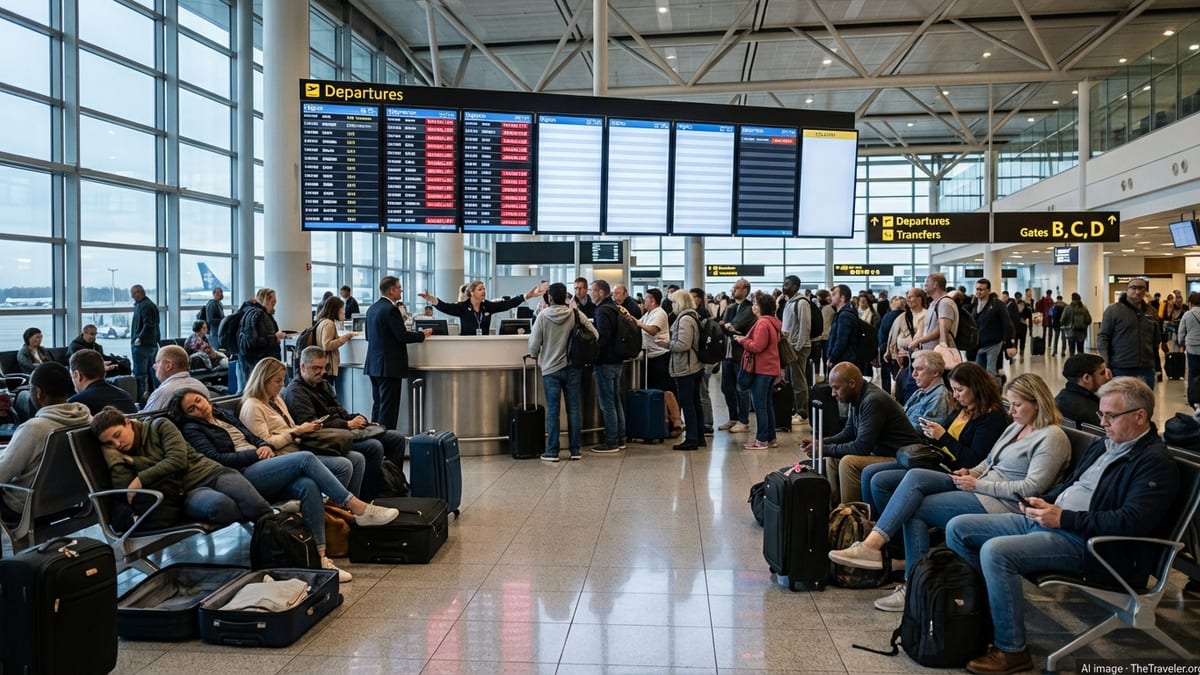
Which countries are affected by the latest warning
According to recent updates to the UK Foreign, Commonwealth and Development Office (FCDO) foreign travel advice pages, the new wording has been added simultaneously to guidance for 16 destinations in and around the Middle East. Published coverage indicates that the affected countries are Bahrain, Egypt, Iran, Iraq, Israel, Jordan, Kuwait, Oman, Pakistan, Palestine, Qatar, Saudi Arabia, Syria, Turkey, the United Arab Emirates and Yemen.
The common language now appearing on these country pages notes that the context in the Middle East remains deeply unpredictable and that the risk of sudden escalation is high. The wording has been applied to countries with very different overall risk profiles, ranging from popular winter-sun destinations such as Egypt, Turkey and the UAE to conflict-affected states such as Syria and Yemen.
The FCDO continues to publish separate, more detailed country-by-country assessments that distinguish between areas where travel is permitted, areas where only essential travel is advised and regions where all travel is advised against. In some cases the wider country remains open for travel, but specific regions are subject to stronger warnings due to conflict, terrorism or civil unrest.
The new regional phrase about sudden escalation has been added alongside, rather than instead of, these existing country-specific advisories, signalling a broader concern about the overall security environment and the potential for events in one location to affect neighbouring states.
Why the risk of sudden escalation has been highlighted
The timing of the coordinated update appears linked to the wider regional impact of the conflict that began earlier in 2026, particularly involving Iran and its stated intention to target locations associated with the United States and Israel. Publicly available information summarising the FCDO position notes that Iranian actions and retaliatory strikes by other actors have included attacks against civilian and US military infrastructure across the region.
Recent analysis of maritime security in the Gulf and the Strait of Hormuz has also pointed to a rise in incidents affecting commercial traffic. Open-source reporting describes attacks on tankers and threats to energy infrastructure in the area, reinforcing concerns that key transport and trade routes around the Gulf are more vulnerable than in previous years. This backdrop has contributed to a perception of heightened, region-wide instability.
By inserting a standardised warning across 16 country pages, the UK government is signalling that even destinations not directly involved in active fighting could experience knock-on effects, such as airspace changes, route diversions or temporary airport closures. The language about a high risk of sudden escalation underlines the possibility that the security picture could shift with little notice.
Travel industry reports suggest that the update is being viewed as a precautionary measure rather than a blanket instruction to cancel holidays across the Middle East. Tour operators are continuing to sell packages to many of the affected countries, while monitoring official advisories and local developments closely.
What the warning means for trips to the UAE and Turkey
The United Arab Emirates and Turkey are among the most visited destinations on the updated list, particularly during the peak winter season when UK travellers look for warmer weather. Both countries currently have more nuanced advice than some of their regional neighbours, but the new regional warning serves as a reminder that trips could still be affected by events beyond their borders.
For the UAE, the FCDO notes that the wider Middle East context remains unpredictable and that the risk of sudden escalation is high. The country-specific advice highlights a continued risk of terrorism and points out that locations associated with Jewish and Israeli communities, including some places of worship, have been identified in other public advisories as potential targets. Travellers are encouraged to remain aware of their surroundings, particularly in busy public areas and transport hubs.
Turkey’s official UK travel advice similarly references regional tensions alongside longstanding concerns about terrorism and the security situation near its borders with Syria and Iraq. Guidance available to the public advises against all travel to some areas close to these borders and against all but essential travel to certain provinces in the south-east, while popular coastal and city destinations remain open subject to standard safety precautions.
Neither the UAE nor Turkey is currently subject to a blanket UK call for all travel to cease, but the added warning about sudden escalation means that travellers should be prepared for indirect effects, such as changes to flight routings, temporary closures of airspace in neighbouring countries or extra security checks at airports. Airlines operating via Gulf and Turkish hubs may also adjust schedules at short notice in response to regional developments.
Potential impact on flights, airspace and insurance
The updated FCDO wording explicitly raises the possibility of flight cancellations, airspace closures and wider travel disruption affecting British nationals who are in, or planning to travel through, the region. Recent industry coverage has already documented diversions and longer routings for some flights in response to heightened tensions and changes to overflight permissions.
UK government guidance stresses that decisions about operating flights rest with individual airlines and aviation authorities, and that conditions can change rapidly. A route that is open when a ticket is purchased may later be subject to restrictions, which can lead to last-minute schedule changes. Travellers using hubs in countries such as Qatar, the UAE or Turkey as transit points may be affected even if their final destination lies outside the Middle East.
Another key consideration is travel insurance. Public information on UK consumer rights makes clear that many standard policies do not provide cover if a traveller chooses to visit a destination after the FCDO has advised against all or all but essential travel to that specific country or region. In those cases, travellers may need specialist cover, and they risk not being able to claim for disruption or medical costs if they ignore official advice.
Where the FCDO has not advised against travel but has issued a more general warning about potential disruption, insurers’ positions may vary. Some may treat knock-on delays and diversions as standard travel disruption, while others may have specific exclusions related to war, terrorism or civil unrest. Travellers are being urged by consumer bodies and insurance commentators to read policy documents carefully and, if necessary, seek written clarification from their insurer before departure.
How travellers can respond to the changing situation
In light of the new regional wording, the FCDO is encouraging people to stay closely informed when planning or undertaking trips involving the Middle East. Publicly available guidance advises British nationals to sign up for email alerts for the relevant country pages so that they receive updates as soon as advice changes.
Travellers are also being urged to monitor reputable news outlets and local information, including airport announcements, for developments that could affect flight operations or access to specific areas. This is particularly important for those transiting through major hubs such as Dubai, Abu Dhabi, Doha or Istanbul, where relatively small changes in regional airspace rules can have a broad impact on schedules.
Experts who track global mobility trends recommend that travellers keep their departure plans under review, ensure passports and any required visas remain valid, and allow extra time at airports in case of enhanced security screening. Keeping copies of travel documents, hotel bookings and insurance policies accessible, including digitally, can help if plans need to change at short notice.
For those who decide to travel despite concerns, widely shared safety advice includes maintaining awareness of surroundings, avoiding protests or large gatherings, following any security instructions issued locally and having a basic contingency plan, such as alternative flight options or routes out of a country, should the security situation deteriorate during their stay.