


More news on this day
Delta Air Lines is moving to make pilots more visible voices during disruptions, introducing a commitment for flight crews to proactively brief passengers about delays and cancellations as airlines brace for another turbulent summer of heavy crowds and operational strain.
Get the latest news straight to your inbox!
New communication role for cockpit crews
According to recent industry coverage, Delta’s latest internal guidance asks pilots to take a more front‑and‑center role when flights run late or face cancellation, supplementing digital alerts with frequent, plain‑language updates from the flight deck. The move aims to address one of the biggest recurring complaints from travelers during irregular operations: a lack of clear, timely information at the gate and on board.
Publicly available information indicates that the new emphasis is tied to Delta’s broader operational performance commitments and follows a period when the carrier has faced scrutiny for how it handled large‑scale disruptions. By empowering pilots to explain the reasons for disruptions, outline what happens next, and set realistic expectations, the airline is seeking to rebuild trust with frequent flyers who increasingly expect transparency when things go wrong.
The initiative does not change formal safety responsibilities, but it reframes communication as a core part of the pilot’s role during irregular operations. Industry analysts note that passengers traditionally perceive pilots as the most authoritative figures on an aircraft, and Delta appears to be leaning into that perception to improve the customer experience when schedules fall apart.
Lessons from a year of high‑profile disruptions
The heightened focus on pilot‑led communication follows a year in which summer travel demand collided with technology failures, storms and crew shortages across the U.S. network. Delta’s own operational challenges during a major technology outage in July 2024, when thousands of flights were delayed or canceled over several days, drew widespread media attention and a federal review into how customer service was handled.
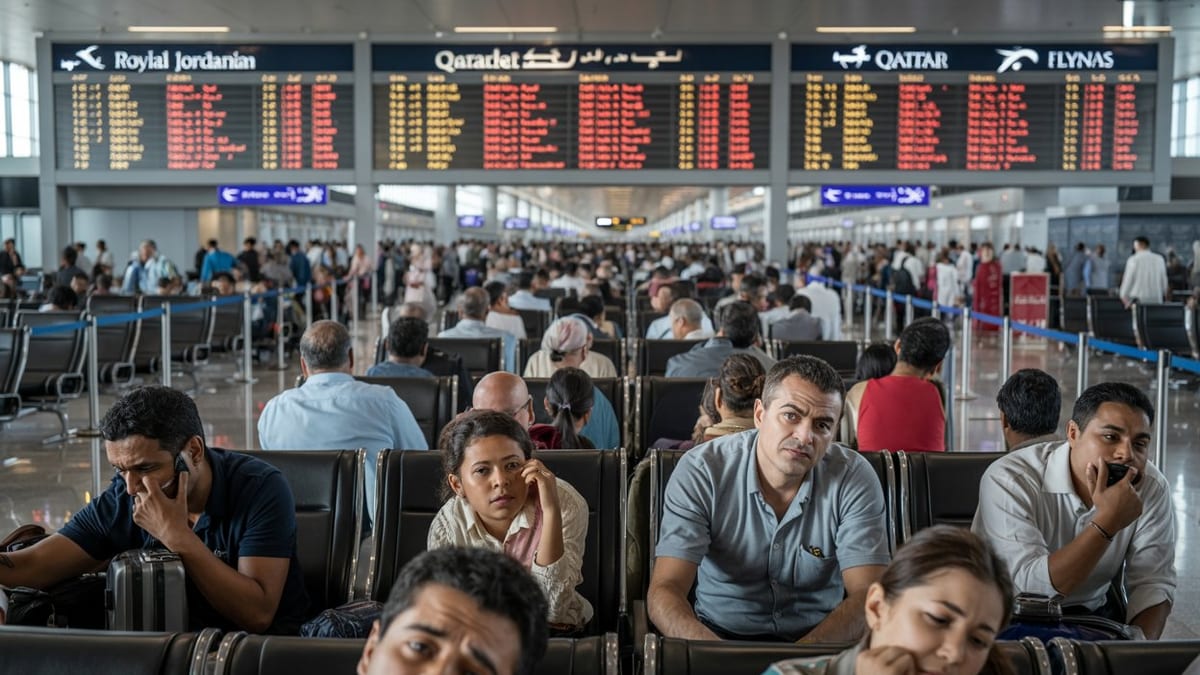
Reports from that episode highlighted scenes of crowded terminals, rolling delays and late‑night cancellations that left many travelers feeling uninformed about what was happening and why. While Delta used its app and text messaging to push schedule changes, travelers posting publicly described long stretches at the gate with little or no in‑person explanation.
Industry observers say those experiences have shaped how airlines are rethinking disruption playbooks for the busy summer months. For Delta, positioning pilots as visible communicators is one way of signaling that the airline heard customer frustrations about information gaps and is trying to ensure that silence at the gate is no longer the norm when operations start to unravel.
What the change means for summer travelers
For passengers, the practical effect of the new emphasis should be more frequent, structured updates from the cockpit whenever a flight’s status is uncertain. Rather than learning about a cancellation only when it posts in an app or on an airport screen, travelers can expect pilots to step in with explanations about the cause of a delay, the likelihood of departure, and the options the airline is working on in the background.
Travel advisers note that clear expectations can be nearly as important as on‑time performance. Knowing early that a crew is out of position or that a maintenance issue will take several hours can give customers time to rebook, adjust connections or arrange overnight plans, instead of waiting through a series of short extensions that ultimately end in cancellation.
The change also dovetails with Delta’s published policies that give customers certain rights when flights are significantly delayed or canceled, including rebooking assistance, digital tools for managing changes and, in some cases, refunds or eCredits. Improved real‑time communication from pilots may help travelers understand when those options apply and how to use them, particularly during peak summer periods when call centers and airport help desks are under heavy pressure.
Rising expectations for airline transparency
The decision to formalize a stronger communication role for pilots reflects a broader shift in traveler expectations as disruptions have become a regular feature of peak travel seasons. Consumer advocates and regulators have pressed airlines to spell out what passengers are owed during controllable delays, while passengers themselves have grown accustomed to detailed status updates in nearly every other part of their digital lives.
In this environment, generic announcements about “operational issues” are increasingly seen as inadequate. Travel experts point out that passengers are more accepting of delays when they receive specific, consistent information about causes and timelines. Delta’s move suggests that airlines are responding by treating communication as a form of service reliability in its own right, rather than as an afterthought once schedules begin to slip.
As the U.S. Department of Transportation advances new rules designed to clarify passenger rights around cancellations and lengthy delays, major carriers are also under pressure to show they are improving real‑time communication on their own. While the new pilot briefing expectations at Delta do not directly address compensation or reimbursement, they are part of a wider pattern of airlines adjusting policies and procedures ahead of stricter federal standards and heightened public scrutiny.
How Delta’s approach compares across the industry
Other large carriers have also invested in more proactive communication during irregular operations, often emphasizing push notifications, automated rebooking and enhanced digital self‑service tools. What differentiates Delta’s latest step is the explicit focus on pilots as frontline communicators, rather than relying almost entirely on gate agents, flight attendants and app alerts to deliver bad news.
Aviation analysts say the strategy could influence competitors if it resonates with travelers this summer. If passengers report noticeably better experiences on Delta flights during disruptions, especially in terms of feeling informed and respected, rival airlines may adopt similar language in their own internal playbooks and training programs for cockpit crews.
For now, summer flyers can expect a more vocal presence from the flight deck when operations go sideways on Delta. While better communication will not prevent delays or cancellations driven by weather, congestion or technology problems, it may reduce the sense of uncertainty that often makes disruption days some of the most stressful moments in modern air travel.