


More news on this day
Delta Air Lines passengers traveling between Atlanta and Chicago over the Independence Day weekend reported hours-long delays, rolling cancellations and missed connections, adding fresh strain to one of the country’s busiest travel corridors.
Get the latest news straight to your inbox!
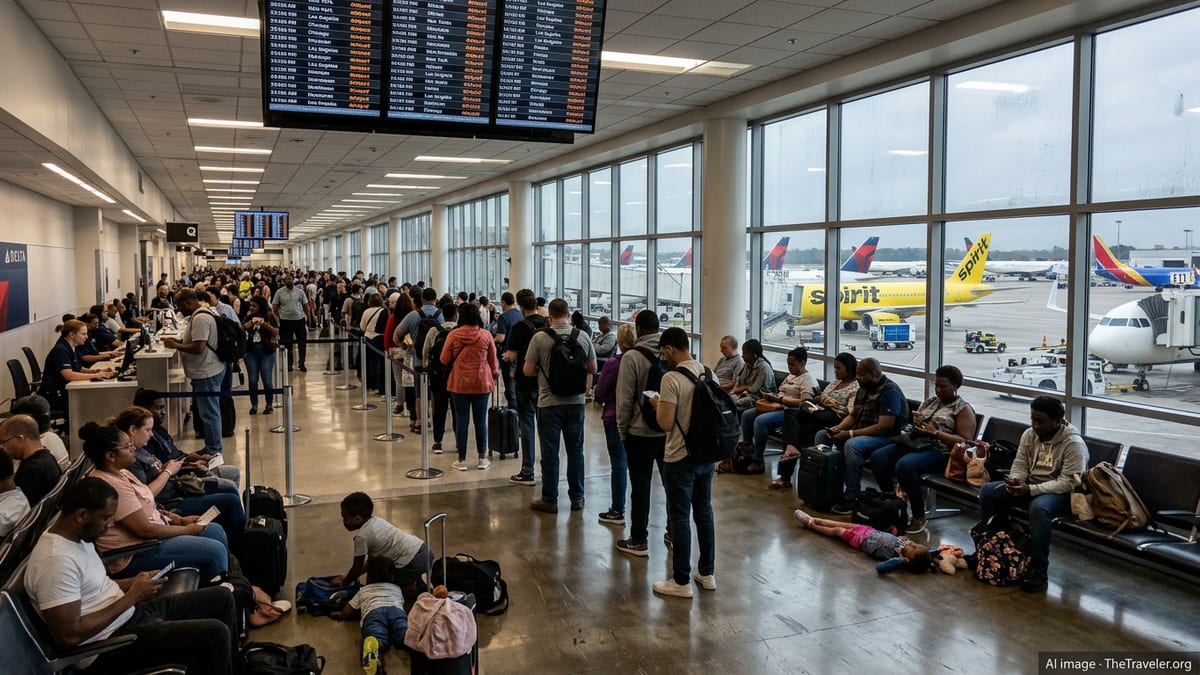
Disruptions hit peak holiday traffic
Reports from travelers and published coverage indicate that multiple Delta flights between Hartsfield-Jackson Atlanta International Airport and Chicago’s O’Hare and Midway airports ran significantly behind schedule from Friday, July 3, through Sunday, July 5. Some passengers described waiting for hours at the gate as departure times were repeatedly pushed back before flights were ultimately canceled.
The problems emerged during one of the most heavily traveled weekends of the year, when airlines across the United States had already warned of crowded terminals and tight connections. Publicly available flight-tracking data shows a pattern of late departures and arrivals on the Atlanta to Chicago corridor across the three-day period, along with a handful of scrubbed services that left travelers scrambling for alternatives.
In several cases highlighted in local and national coverage, passengers booked on evening departures out of Atlanta faced overnight disruptions after late-day delays cascaded across the schedule. Travelers reported missed family events, late arrivals into connecting hubs and long lines at customer service desks as they sought rebooking options.
Weather, congestion and operational strain collide
Information published by Delta and federal aviation agencies points to a combination of heavy thunderstorms around Atlanta and broader congestion in the national airspace system as key contributors to the holiday weekend disruptions. A recent exception policy issued for Atlanta and Chicago Midway referenced weather-related impacts in early July, suggesting that storms in the Southeast and around the Great Lakes region played a role in limiting departures and arrivals.
During peak periods, weather slowdowns can quickly ripple through tightly timed hub-and-spoke operations. When aircraft and crews are held on the ground or placed into holding patterns, even modest delays can compound into multi-hour waits for passengers down the line. Over a dense travel weekend, recovery windows are limited, making it harder for airlines to reposition planes and staff in time for subsequent flights.
Operational strain has been a recurring theme across the industry since demand rebounded from the pandemic. July Fourth travel in particular has been closely watched, with previous years marked by pilot picketing, air traffic control staffing concerns and ground stops at major hubs. This year’s Atlanta to Chicago disruptions fit into that broader picture of a system still vulnerable to weather and volume shocks.
Firework incident underscores unusual holiday risks
The Atlanta to Chicago route was already drawing attention after a separate incident on Saturday night, when a Delta flight arriving from Atlanta reportedly made contact with a firework during its final approach to Chicago Midway. According to widely shared air traffic control audio and subsequent media coverage, the flight crew reported a “big bang” as the aircraft descended toward the runway amid Independence Day celebrations.
Publicly available information from Delta and federal regulators indicates that the aircraft landed safely and that post-flight inspections did not reveal structural damage. No injuries were reported among the passengers or crew. The episode nonetheless highlighted the added complexity of operating in busy urban airspace during peak holiday fireworks displays.
Aviation analysts note that while encounters between commercial aircraft and consumer fireworks are rare, any such event prompts close scrutiny from investigators. For travelers already facing weather- and congestion-related delays, news of the firework contact added a fresh layer of concern about the environment surrounding Chicago’s airports over the weekend.
Passenger frustration grows as delays stretch into hours
As delays mounted on the Atlanta to Chicago corridor, passenger frustration spilled onto social media platforms and travel forums. Many described receiving a string of text and app notifications revising departure times in small increments, only to see flights ultimately removed from the schedule late in the evening. Others recounted spending hours in crowded gate areas and service lines as limited staff worked through long lists of disrupted itineraries.
Travelers also highlighted challenges in securing overnight accommodations and meal vouchers when cancellations occurred after hotels near the airport began to fill. The situation was particularly acute for families with young children, as well as for international passengers connecting onward from Chicago who faced the risk of additional missed flights and rebooking complications.
Consumer advocates point out that under current U.S. rules, airlines are not required to provide compensation when weather is the primary cause of a delay or cancellation, though carriers may choose to offer hotel discounts or travel credits as a goodwill gesture. That distinction often leaves passengers feeling uncertain about what assistance they can expect when disruptions are linked to storms, congestion or air traffic control constraints.
What travelers on the route should know now
For passengers booked on upcoming Delta flights between Atlanta and Chicago, publicly available data suggests that operations began to stabilize as post-holiday traffic tapered off, with fewer same-day cancellations and more flights operating close to schedule. Even so, travel experts recommend allowing extra buffer time for connections and monitoring flight status frequently when flying in and out of storm-prone hubs during the summer season.
Delta’s customer guidance generally encourages travelers to use the airline’s app or website for real-time updates, same-day changes and standby options when irregular operations occur. During larger disruptions, the carrier may publish flexible travel waivers for affected airports, allowing customers to rebook within a defined window without change fees or fare differences, subject to seat availability.
As the summer peak continues, the Atlanta to Chicago route is likely to remain a bellwether for how well airlines can manage the intersection of strong demand, volatile weather and tight operational margins. For now, the experiences shared over the Independence Day weekend serve as another reminder that even short-haul domestic flights can quickly turn into marathon journeys when the system comes under stress.