


More news on this day
Repentigny, a suburban city northeast of Montreal, is assessing damage and relief in equal measure after a freight train derailment near residential neighborhoods led to evacuations and emergency response, with the mayor remarking that the community was “very lucky in our misfortune.”
Get the latest news straight to your inbox!
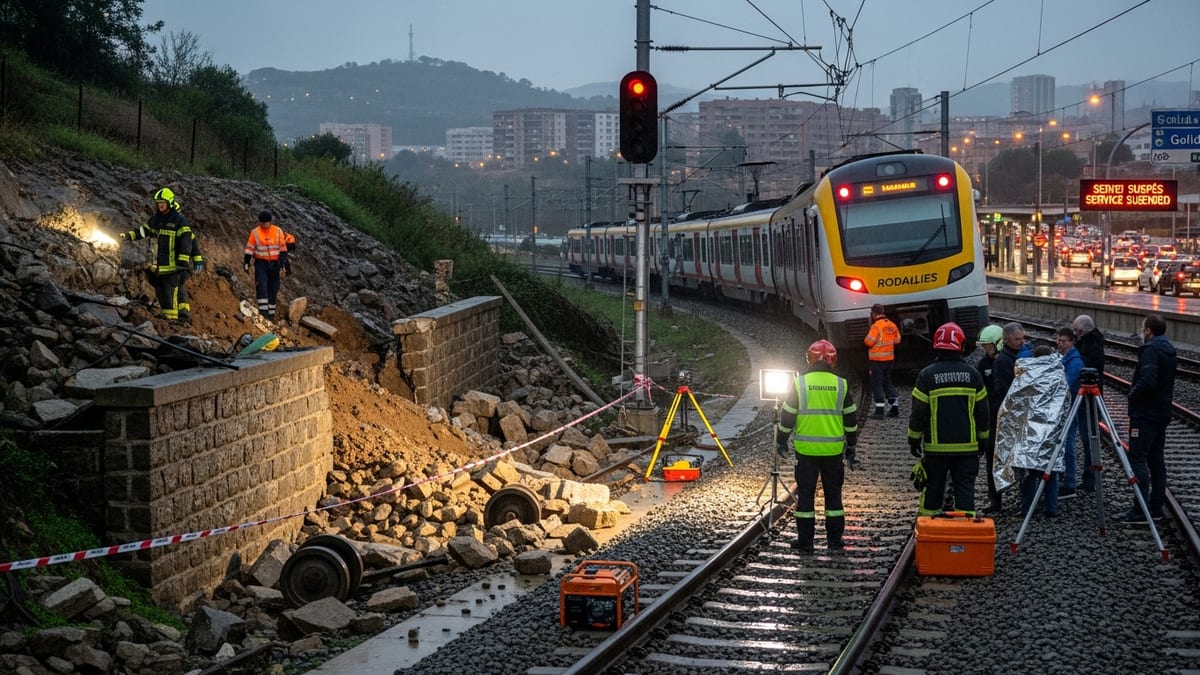
Freight cars leave tracks near homes and highway
According to published coverage from Quebec media, several freight cars left the tracks in Repentigny after a train derailed close to homes and a major roadway. Images shared in those reports show cars scattered along the rail line, some leaning at sharp angles and others partially overturned beside the tracks.
The derailment occurred in an area where rail lines run near a mix of residential streets and commercial zones, heightening concern among residents who reported loud noise and sudden vibration as the train left the rails. Publicly available information indicates that debris and damaged rolling stock forced temporary closures on nearby routes while first responders secured the perimeter.
Early technical details about the cause of the derailment have not been finalized. Transportation safety specialists are expected to examine track conditions, train speed, mechanical systems and recent maintenance records as part of a formal investigation that may take months to complete.
Rail operations through the corridor were suspended while crews worked to stabilize the site, assess the condition of the line and determine how to safely remove the affected cars.
Evacuations and emergency measures as fuel and cargo assessed
Initial concern centered on the possibility of fuel leaks or hazardous cargo escaping from damaged cars. Reports indicate that emergency teams moved quickly to check the integrity of tankers and other wagons, looking for any sign of spills or vapors that could threaten nearby homes.
As a precaution, a number of residents closest to the tracks were asked to leave their homes while specialists evaluated the situation. Local shelters and temporary reception centers were set up to receive displaced people, and municipal services coordinated transport and basic support.
Publicly available information suggests that no major toxic release was detected in the immediate aftermath, and air quality checks around the site remained within acceptable limits. Fire crews nonetheless stayed in place for several hours to monitor the scene, given the risk that even minor leaks could worsen as cars shifted or were lifted back onto the rails.
City representatives framed the disruption as an unavoidable step to keep people safe while uncertainties about cargo and fuel loads were resolved, emphasizing that the priority was to prevent secondary incidents such as fire or explosion.
Mayor highlights near miss and calls for answers
In interviews quoted by regional outlets, Repentigny’s mayor described the event as a frightening moment for the community but stressed that circumstances could have been much more severe. The remark that the city was “very lucky in our misfortune” captured a sense that, despite the scale of the derailment, the outcome involved inconvenience and alarm rather than mass casualties.
Public comments from the municipality have underscored that no deaths and no serious injuries were reported in connection with the derailment. Several people were assessed for shock and minor physical complaints, according to published coverage, but hospitals did not report a surge of critical trauma related to the incident.
The mayor has also pointed to lingering questions about the safety of freight traffic moving through densely populated corridors. Calls for clarity include inquiries about what types of materials were on board, how often such trains pass through Repentigny and whether additional protection or alternative routing should be considered.
Municipal leaders are expected to seek formal briefings from the railway operator and from federal transportation regulators as the investigation progresses, with an eye on whether infrastructure upgrades, lower speed limits or enhanced monitoring might reduce future risks.
Rail safety concerns resonate beyond Repentigny
The derailment has revived broader debate in Quebec and across Canada about the movement of freight trains through urban and suburban areas. Communities along major corridors have long expressed unease about noise, vibration and the potential for severe accidents involving hazardous materials.
Past rail incidents in Canada, including high-profile disasters in smaller towns, have led to tighter rules around tank car design, speed restrictions in populated areas and emergency planning requirements. Even so, advocates and some municipal officials continue to argue that more must be done to separate heavy freight traffic from dense neighborhoods.
Publicly available commentary following the Repentigny event reflects this tension. Some residents cited the derailment as proof that long-standing fears are justified, while others emphasized the importance of rail as a low-emission way to move goods across long distances. The discussion is likely to sharpen as investigators release findings and, potentially, recommendations for systemic changes.
For travel and transport observers, the incident highlights how closely modern mobility networks are interwoven with residential life, and how disruptions on the rail grid can quickly become community-level emergencies.
Travel implications for commuters and visitors
In the short term, the derailment has caused delays for regional rail traffic and added congestion to road networks around Repentigny as detours and lane reductions were put in place. Commuters heading toward Montreal have faced longer travel times while crews work to clear damaged rail cars and verify that the infrastructure is safe to reopen.
Publicly available transport updates recommend that travelers build extra time into their journeys, check transit advisories and consider alternative modes such as buses or ride-sharing services while rail operations gradually return to normal. Some local bus routes have adjusted schedules or added capacity to help ease pressure during peak hours.
For visitors planning to stay in or pass through the Lanaudière region, the incident serves as a reminder to monitor local news and municipal channels for real-time information. Hotels and short-term rentals in Repentigny and nearby communities have been fielding questions about noise, access and safety, but there are no indications of long-term closures or large-scale tourism impacts at this stage.
Travel-sector analysts note that the speed of cleanup and the transparency of communication from rail and municipal authorities will influence how quickly confidence rebounds among both residents and travelers who rely on this corridor for daily movement.