


More news on this day
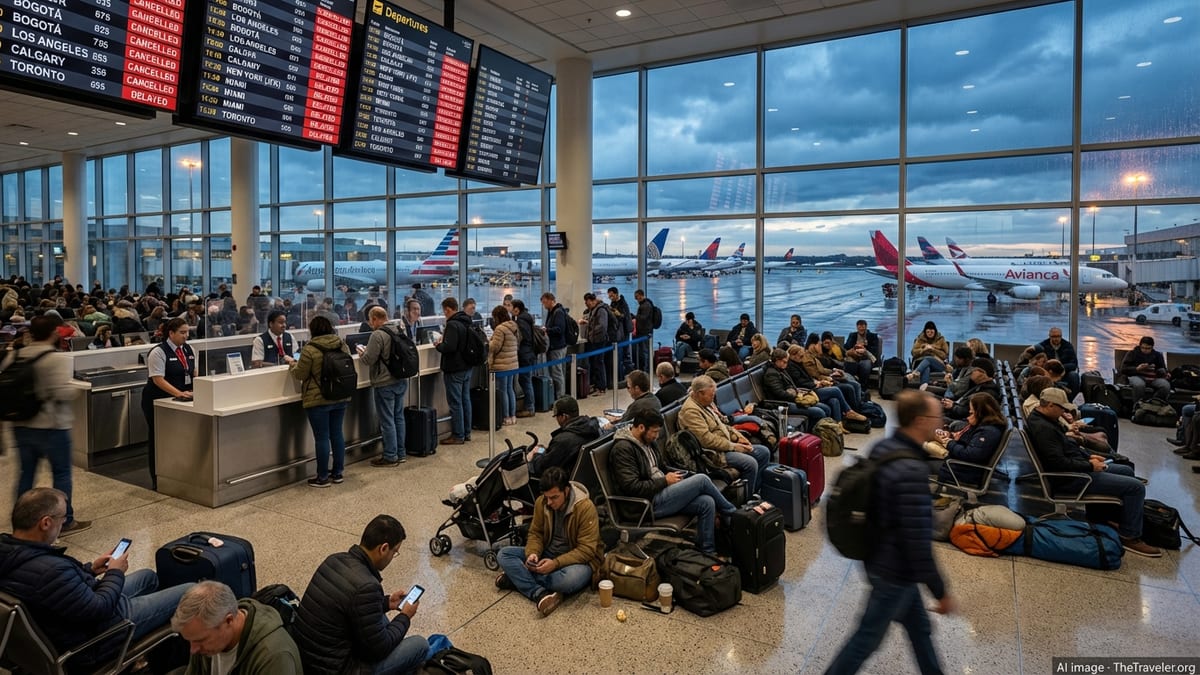
Passengers traveling through Denver International Airport on June 14 faced a fresh wave of disruption, as a mix of weather and operational challenges triggered more than a dozen cancellations and widespread delays on United States routes to cities including Montreal, Reno, Fort Walton Beach, New York and other destinations.
Get the latest news straight to your inbox!
Ripple Effects From Denver Hub Hit Multiple Carriers
Publicly available flight-status boards and tracker data show Denver acting as a chokepoint in the national network, with cancellations and significant delays affecting departures and arrivals across several major airlines. United Airlines, American Airlines, Southwest and Allegiant Air all appear among the disrupted schedules, alongside smaller regional operators flying under major-brand codeshares.
Denver International is a key connecting hub, particularly for United and Southwest. When flights into or out of the airport are delayed or grounded, aircraft and crews are left out of position, forcing airlines to cancel or consolidate subsequent services. That pattern was visible on June 14, as some Denver departures simply vanished from schedules or were flagged as canceled while others operated with extended delays.
Tracking services indicate that, even where overall cancellation percentages remain in the single digits, Denver-linked routes are experiencing a disproportionate share of the disruption. Travelers report rebookings, missed connections and overnight stays, especially on itineraries that rely on tight connections through the Colorado hub.
The current disruption follows several months of elevated irregular operations for large U.S. carriers, driven by a mix of convective weather, air-traffic constraints and lingering staffing and fleet imbalances. When the same pressures intersect at a major hub like Denver, the impact can quickly spread across the map.
Montreal and New York Routes Affected by Delays
Data from real-time tracking platforms on June 14 point to delays on cross-border routes linking Denver with Canada. One Montreal to Denver service operated under the United Airlines brand showed departure pushed back by more than an hour, with arrival into Colorado also rescheduled later than planned. That delay has knock-on implications for passengers using Denver as a connection point to other U.S. cities.
New York City operations are feeling indirect strain as well. United has highlighted East Coast thunderstorm patterns in recent travel waivers in the days leading up to June 14, covering airports serving the New York region. Those storms have forced schedule adjustments that, when combined with Denver operational pressures, complicate the task of keeping transcontinental services running to time.
Passengers traveling between New York and Western states via Denver report longer travel days as they are moved onto later flights or rerouted through alternative hubs. Because New York flights are often heavily booked in mid-June, same-day alternatives can be limited, prompting some travelers to seek seats on other carriers or to shift to different travel dates.
The cross-border nature of the Montreal link adds another layer of complexity, as missed connections can interfere with international itineraries, customs processing windows and minimum connection times that are tighter than usual during peak summer periods.
Reno, Fort Walton Beach and Leisure Markets See Knock-On Disruptions
Leisure-oriented routes from Denver have also been swept up in the irregular operations. Reno, a popular gateway for outdoor travel and gaming, depends heavily on a handful of daily services from major hubs. When a Denver originating flight is canceled or delayed, passengers bound for Nevada can face long gaps before the next available departure.
Traffic to Florida’s Emerald Coast region is equally vulnerable. Publicly available flight-status information for Allegiant Air indicates a dense pattern of point-to-point flying involving Denver, Destin–Fort Walton Beach and other secondary markets. When one leg in that chain is delayed or canceled, subsequent sectors may be rescheduled or repositioned, adding complexity for travelers connecting from other airlines into Allegiant’s network.
Because leisure routes often operate only a few times per week on ultra-low-cost carriers, stranded passengers may not have same-day or even next-day options from the same airline. Consumer forums and prior disruption case studies show that in such situations, travelers frequently turn to last-minute tickets on larger network carriers at higher prices, or they accept refunds and abandon or shorten their trips.
The timing of the Denver disruption, coming as schools break for summer across much of the United States, increases the stakes for families and groups who have tied flights to nonrefundable accommodation and activity bookings in destinations like Reno and Fort Walton Beach.
United, American, Southwest and Allegiant Confront Operational Strains
Operational data and recent coverage indicate that the current round of disruptions at Denver is landing on airlines that have already been working through a challenging year. United, with Denver as one of its key hubs, has been managing elevated weather and air-traffic issues on the East Coast in June, as reflected in recent travel waivers for storms around New York and surrounding airports. Those constraints compound any delays in and out of Denver when aircraft and crews are shared across networks.
American Airlines has faced its own high-profile disruption events at other hubs this year, including storm-related cancellations that have strained its digital self-service and rebooking tools. While the current Denver-focused issues are spread across carriers, they are unfolding against a backdrop in which large U.S. airlines are still refining their ability to handle sudden spikes in irregular operations without overwhelming call centers and gate staff.
Southwest, which maintains a significant presence at Denver, continues to attract scrutiny whenever cancellations occur after its well-publicized meltdown in previous years. Although current data does not indicate a systemwide breakdown, isolated route cancellations and schedule reshuffles in and out of Denver are drawing attention from travelers who remain sensitive to any signs of broader instability.
Allegiant Air, whose business model relies on less-frequent flights linking smaller cities and leisure markets, can be particularly exposed when a single Denver rotation is disrupted. Passenger experiences documented in online forums during past cancellations highlight the limited rebooking options that can follow when there is no same-day alternative in the carrier’s schedule.
What Travelers Can Expect in the Coming Days
With summer weather patterns settling in over the Rocky Mountains and the central United States, forecasters and aviation analysts expect intermittent storms and airspace restrictions to continue affecting Denver. That, in turn, suggests that travelers connecting through the airport to destinations such as Montreal, Reno, Fort Walton Beach, New York and other domestic and cross-border cities may see ongoing pockets of disruption.
Industry guidance recommends that passengers monitor flight status frequently on the day of travel, especially when itineraries rely on shorter connection times at Denver. Same-day rebooking options are more accessible earlier in the day, before later flights fill with other displaced travelers. For those heading to leisure destinations served by less-frequent flights, travel experts advise considering backup plans, including flexible hotel reservations and alternative routing through other hubs if schedules begin to unravel.
Regulatory protections for delays and cancellations vary by route and jurisdiction, particularly on cross-border services that may fall under agreements such as the Montreal Convention or country-specific passenger-rights frameworks. Travelers affected by Denver-linked disruptions are reviewing their eligibility for refunds or compensation where applicable, while others focus on securing new itineraries in a tight summer travel market.
As airlines continue to adjust schedules and reposition aircraft following the latest wave of irregular operations at Denver International, passengers across North America are likely to feel the effects beyond Colorado itself, with ripple impacts stretching into Canada, the East Coast and key leisure markets over the days ahead.