


More news on this day
Air Canada is rolling out flexible rebooking options and limited extra capacity to help travelers caught in the middle of a potential strike by WestJet flight attendants, as concerns grow over possible flight cancellations during one of Canada’s busiest summer travel periods.
Get the latest news straight to your inbox!
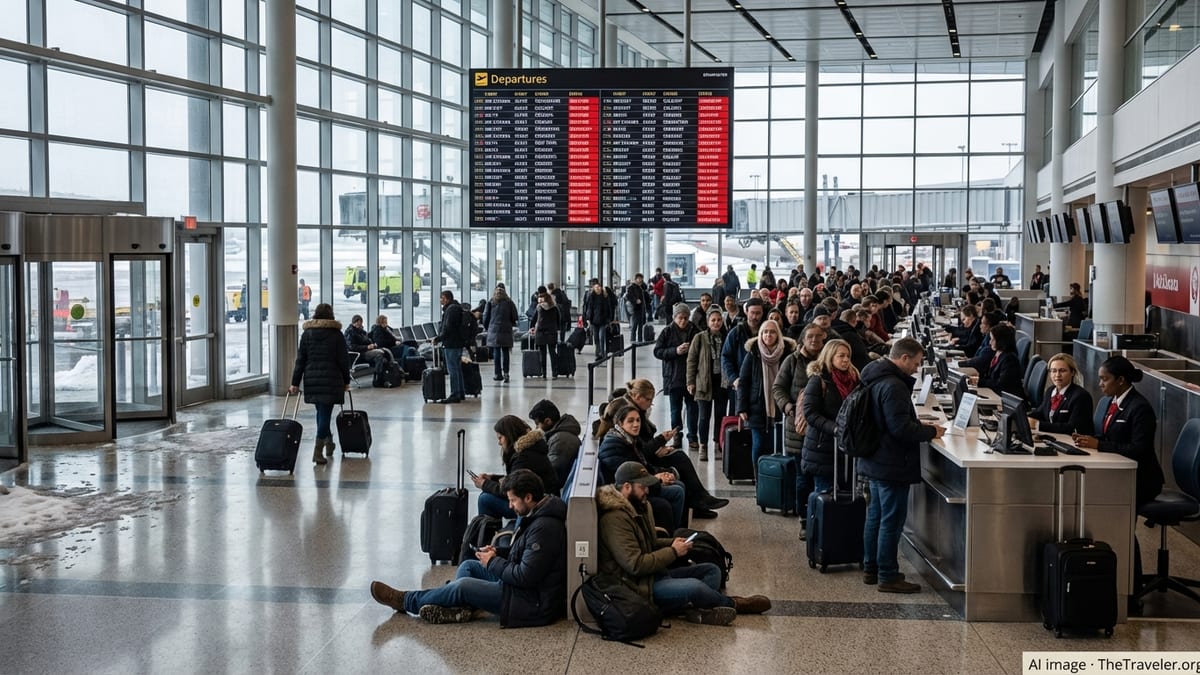
WestJet labour dispute raises risk of summer flight disruption
WestJet flight attendants have issued a formal strike threat that could allow job action as early as the August long weekend, raising the prospect of widespread schedule disruption across the carrier’s domestic and transborder network. Recent coverage of the dispute indicates that unpaid work and scheduling concerns are central issues, with the union warning that talks have stalled and that contingency planning by travelers is prudent.
The timing is particularly sensitive. The August long weekend traditionally ranks among the year’s peak travel periods in Canada, with aircraft operating near capacity on many routes. Any reduction in WestJet’s schedule, whether from an actual strike or preemptive cancellations, would quickly ripple through already busy airports and leave many travelers scrambling for alternatives.
Travel forums and consumer-rights advocates note that WestJet has historically wound down some operations even before job action begins, parking aircraft and consolidating flights to preserve what it can of the schedule. That pattern, combined with the current strike notice, has pushed many passengers to secure backup tickets on other airlines, including Air Canada, before the most in-demand routes sell out.
Canadian air passenger regulations classify flights cancelled directly by a strike as outside the airline’s control, limiting cash compensation for affected travelers. As a result, many passengers are focusing less on potential payouts and more on ensuring they have a viable way to get where they need to go, especially for time-sensitive trips involving cruises, tours, or family events.
Air Canada offers rebooking support and added capacity
Against this backdrop, publicly available information and online advisories show that Air Canada has begun positioning itself as a safety valve for travelers worried about possible WestJet cancellations. Reports circulating among traveler communities describe an arrangement that allows some WestJet passengers disrupted by a strike to be rebooked onto available Air Canada services, subject to seat availability and fare conditions.
Air Canada has experience responding to labour-related upheaval, including its own flight attendant strike in 2025, when the carrier cut schedules in advance and then spent days rebuilding operations once a settlement was reached. Industry observers say that history appears to be informing the current response: the airline is selectively adding capacity on key domestic and transborder routes and applying flexible fare rules for new bookings that may be used as “backup” tickets.
In practice, this means some travelers are booking fully refundable or credit-eligible fares on Air Canada as a hedge against potential WestJet disruption. If WestJet’s schedule holds, they can cancel the Air Canada itinerary and retain a credit or refund according to the fare rules. If a strike occurs or WestJet cancels, they can pivot to their Air Canada booking and avoid being stranded during peak season.
Analysts note that Air Canada must balance this role carefully. The airline has its own operational constraints, and large-scale rebooking of WestJet customers could lead to fuller flights, reduced last-minute availability and higher fares on popular routes. Nonetheless, its willingness to assist reflects both commercial opportunity and pressure to demonstrate reliability to Canadian travelers during a period of repeated industry labour disputes.
Travelers advised to move early and know their rights
Consumer advocates and travel experts cited in recent coverage are urging passengers with WestJet tickets in early August to review their options now rather than waiting for a last-minute decision from either side in the labour dispute. In earlier Canadian airline strikes, many travelers who delayed action faced long call-centre waits and limited remaining seats on alternative carriers.
For those who can afford flexibility, one strategy highlighted in public discussions is to accept free change or cancellation offers from WestJet where available, then rebook on another airline such as Air Canada, Porter, or foreign partners that serve the same city pairs. This approach can reduce the risk of being left without options if negotiations fail close to departure.
Travelers who decide to keep their existing WestJet bookings are being encouraged to build extra buffer time into their plans, particularly if their trip connects to cruises, tours, or onward international flights on separate tickets. In some cases, passengers are moving key events by a day or two, or flying earlier than originally planned, to create resilience in case day-of-flight disruptions cascade through the network.
Information from passenger-rights groups emphasizes that Canadian regulations require airlines to reroute travelers whose flights are cancelled or significantly delayed, even during a strike, though the exact obligations depend on the circumstances. In practice, this can include rebooking on a competitor when no reasonable option exists on the original carrier, but availability is limited during peak periods and travelers may still face overnight stays or long connections.
Practical steps for those considering Air Canada
For travelers looking at Air Canada as a backup or primary option, recent guidance from tourism and aviation experts points to several practical steps. First, passengers are urged to study fare conditions carefully, focusing on whether a ticket is refundable, changeable for a fee, or eligible for future travel credit. Many economy fares on Air Canada can be converted to credit if plans change, while higher fare classes may offer full refunds.
Second, trip planning resources recommend booking nonstop flights where possible to minimize connection risk, particularly during a period when airports may be busier than usual with displaced WestJet passengers. Where connections are unavoidable, longer layovers can provide a cushion against minor delays that might otherwise cause a missed onward leg.
Third, travelers are being encouraged to monitor both Air Canada’s and WestJet’s travel advisory pages and to use mobile apps or online accounts to track schedule changes in real time. Experience from past work stoppages shows that airlines sometimes adjust timetables multiple times in the days leading up to a strike deadline, and seats that appear unavailable one day may reappear after a schedule reshuffle.
Finally, travel insurance with strike coverage is being highlighted as an additional layer of protection. Policies differ, and travelers are advised in public guidance to read exclusions carefully, but in many cases insurance can cover nonrefundable expenses if a strike leads to cancellation, delay, or forced itinerary changes. Combined with flexible tickets on a carrier like Air Canada, this can significantly reduce the financial risk of traveling during a period of labour uncertainty.
Outlook for negotiations and the rest of the summer
As of late July, negotiators for WestJet and its flight attendants remain under pressure to reach an agreement before the earliest possible strike date. Past Canadian airline labour disputes, including those involving both WestJet and Air Canada, have sometimes produced last-minute deals after strike notices were issued, avoiding prolonged work stoppages but leaving travelers anxious until the final hours.
Industry watchers point out that airlines often reduce schedules in advance of a potential strike to avoid chaotic day-of cancellations. If WestJet follows that model, some passengers could see flights changed or consolidated even if talks ultimately succeed. In that environment, Air Canada’s role as an alternative carrier is likely to remain central for travelers seeking added certainty.
Looking beyond the immediate dispute, researchers studying Canada’s air travel system note that repeated labour conflicts, tight capacity and strong seasonal demand have combined to make the summer travel period more fragile. Travelers now routinely factor potential strikes into their planning, comparing not only prices and schedules but also each airline’s recent labour history and flexibility policies.
For now, the message from travel experts and passenger advocates is consistent: anyone flying in or out of Canada around the August long weekend should pay close attention to updates, consider backup options such as Air Canada where feasible, and make decisions sooner rather than later. Acting early, they suggest, provides the best chance of keeping long-awaited summer trips on track, regardless of how the WestJet labour dispute is resolved.