


More news on this day
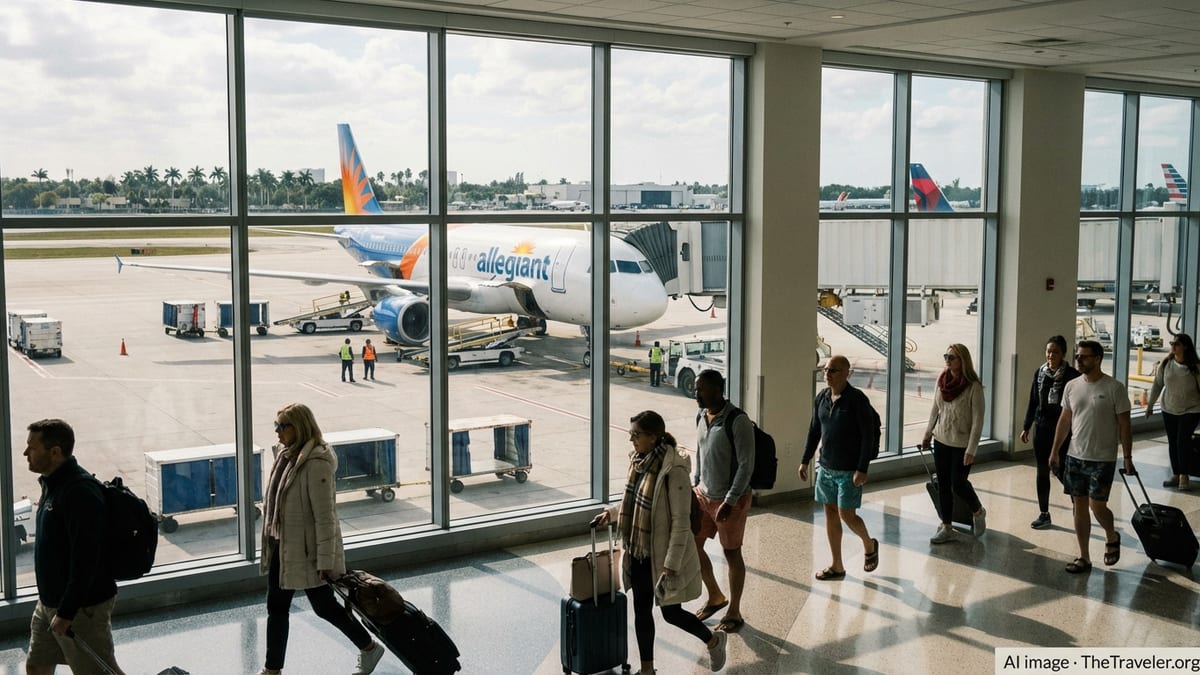
Operations at Fort Lauderdale–Hollywood International Airport faced fresh disruption on June 14, with publicly available tracking data showing 114 delayed flights and 10 cancellations affecting major U.S. and international routes.
Get the latest news straight to your inbox!
Major Carriers See Schedules Slipping
Real time airport status boards and flight tracking platforms on Sunday indicated that JetBlue, Delta Air Lines, Southwest Airlines and American Airlines were among the carriers experiencing significant delays out of Fort Lauderdale. The disruption affected a mix of domestic and international departures across multiple terminals.
JetBlue, which maintains a large presence at Fort Lauderdale, showed a string of services to the Northeast operating behind schedule, including rotations to the New York area. Other carriers also posted hold ups on key trunk routes, compounding congestion during one of the busier weekend travel periods of early summer.
While the majority of impacted services were delayed rather than cancelled, the cumulative effect left departure boards heavily backlogged for much of the day. Passengers connecting through hub airports or onward to international destinations faced the highest risk of missed connections and extended journey times.
The 10 cancellations recorded by midafternoon were spread across several airlines, with a mix of short haul domestic flights and longer routes dropped from the schedule. Replacement options were limited on some city pairs, prompting same day rebooking challenges for affected travelers.
Routes to New York, Newark and Other Hubs Affected
Flights linking Fort Lauderdale with New York City and Newark Liberty International Airport were among the most affected, according to public tracking feeds. Services to John F. Kennedy International Airport and LaGuardia, which are key gateways for both business and leisure traffic, showed knock on delays that rippled through the day’s timetables.
Newark bound departures also registered schedule slippage, with later flight times than originally published and some services withdrawn entirely. These routes are especially important for South Florida travelers connecting to transatlantic and long haul networks operated by partner and alliance carriers at the New York area airports.
Disruption extended beyond the Northeast corridor. Published data showed delays on links to other major domestic hubs, including Washington and Boston, which serve as transfer points for flights deeper into the United States. The clustering of setbacks on high demand routes amplified crowding at departure gates as passengers waited for updated boarding times.
Although some services were able to depart within revised windows, the continuing pattern of late operations suggested that residual delays were likely to persist into the evening bank of flights, particularly on routes with tight aircraft rotations.
International Services to Bogotá, Toronto and Beyond Disrupted
International travelers were also caught up in Sunday’s irregular operations at Fort Lauderdale. Flight information boards indicated delays and schedule changes on services to Latin America and the Caribbean, including departures headed for Bogotá and other South American destinations.
Connections to Canada were similarly affected. Flights to Toronto, a key cross border route from Fort Lauderdale, appeared with revised departure or arrival estimates, lengthening travel times for passengers heading to or from Canada at the tail end of the weekend.
These international routes are an important part of Fort Lauderdale’s role as a secondary gateway for South Florida, complementing the larger Miami International Airport to the south. When operations at Fort Lauderdale slow, travelers connecting between U.S. domestic flights and regional international services often face limited alternatives on the same day.
Travel industry observers note that even modest reductions in on time performance on such international routes can create outsized disruption, as aircraft and crew typically operate tight rotations and have fewer backup options than on higher frequency domestic corridors.
Weather, Congestion and Knock On Effects
Public aviation data suggested that a combination of factors contributed to Sunday’s delays and cancellations. Forecasts for the Fort Lauderdale area pointed to the possibility of thunderstorms later in the day, a frequent trigger for flow control measures in South Florida’s already busy airspace.
Congestion from earlier minor slowdowns can cascade through the system, especially at an airport where several large carriers operate dense schedules to overlapping destinations. With JetBlue, Delta, Southwest and American all running multi bank operations, a delay affecting one wave of departures can quickly impact subsequent rotations as aircraft and crews fall out of position.
Once delays reach triple digits in a single day at a major airport, clearing the backlog often requires extended operating windows and careful use of available gates. Even as some flights are able to depart closer to schedule, others may continue to run late while ground handlers, ramp crews and air traffic controllers work through peak demand.
Aviation analysts point out that such days highlight the fragility of tightly timed networks at large origin and destination airports like Fort Lauderdale, where heavy summer traffic, afternoon storms and national air traffic constraints can intersect.
Advice for Affected Travelers and the Days Ahead
With dozens of flights delayed and a number cancelled, travelers planning to use Fort Lauderdale on June 14 and into the early part of the week were urged, through publicly available advisories and airline channels, to monitor flight status closely and allow extra time at the airport. Same day changes, stand by options and rebookings were reported to be in high demand on several carriers.
Passengers with connections in New York, Newark, Bogotá, Toronto and other hubs were particularly vulnerable to misaligned schedules. Many airlines typically prioritize rebooking for customers with missed onward flights, but available seats can quickly become scarce when disruption affects multiple carriers simultaneously.
Looking ahead, operational data indicate that airlines are likely to continue making day to day adjustments to Fort Lauderdale schedules as summer weather patterns develop and traffic levels ramp up. Frequent travelers across South Florida are watching for signs of further strain on key routes to the Northeast, Canada and Latin America.
For now, the latest wave of disruption at Fort Lauderdale serves as a reminder that even routine afternoon storms and moderate congestion can translate into a challenging travel day when they coincide with peak weekend demand and densely scheduled carrier operations.