


More news on this day
Australian travellers heading to Europe this northern summer are being urged to build in substantial buffer time at airports, as the country’s official consular advice now warns that the European Union’s new Entry/Exit System is contributing to passport control delays of up to six hours at some hubs.
Get the latest news straight to your inbox!
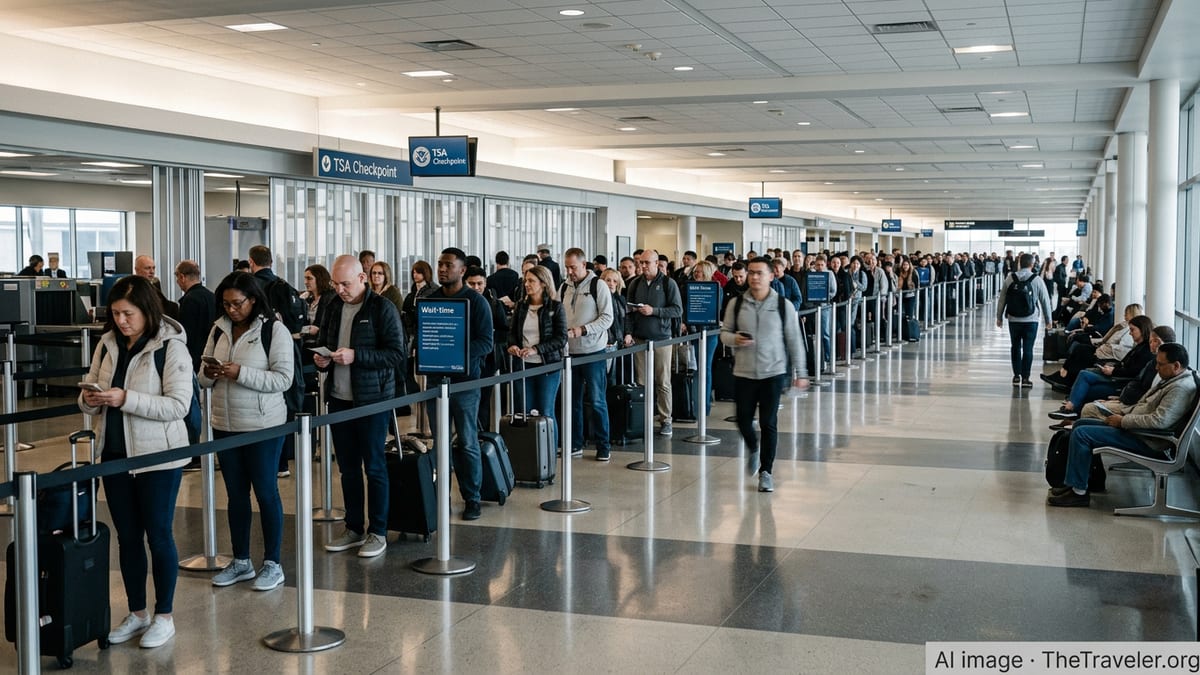
DFAT guidance highlights growing impact of EES rollout
Publicly available updates to Australia’s Smartraveller advice state that the EU’s biometric Entry/Exit System, known as EES, is already causing waits of four to six hours at certain European airports. The advisory notes that some passengers have missed onward flights after encountering unexpectedly long queues for passport control and initial biometric registration.
The warning is framed around the system’s full activation at external Schengen borders from April 2026, covering most EU member states as well as Iceland, Liechtenstein, Norway and Switzerland. The guidance explains that all non EU nationals, including Australians, are now required to complete a one time registration involving fingerprints and a facial image when they first arrive.
Consular information emphasises that the delays are not universal. Some airports are processing travellers relatively quickly, while others, particularly at peak arrival times or where staffing and infrastructure are stretched, are seeing significant bottlenecks. Even so, the reference to potential waits of up to six hours has sharpened attention across the travel trade in Australia, where Europe remains a core long haul market.
Travel industry briefings aimed at agents and tour operators in Australia are echoing the official language, flagging that the combination of EES processing and general summer congestion in Europe is increasing the risk of missed connections, disrupted itineraries and additional costs for clients who cut timings too fine.
European airports report uneven performance and long queues
Airport and airline associations in Europe have been flagging problems with the transition for months. Statements from Airports Council International Europe, Airlines for Europe and the International Air Transport Association describe a mismatch between planning assumptions and what is happening at busy border points, with reports of queues stretching to two or three hours at major hubs even before peak season.
On the first day of full EES operations in April, European airport bodies reported missed flights and extensive queues at several external Schengen borders. While border agencies have noted that an individual EES registration can be completed in a little over a minute when systems function smoothly, real world conditions such as mixed passenger flows, limited kiosks and technical glitches have stretched processing times far beyond early estimates.
Recent consumer facing reports highlight particular pressure at airports such as Lisbon, where waits of up to six hours have been documented during busy arrival banks, especially for non EU travellers encountering EES for the first time. Elsewhere, accounts of three to four hour lines at Brussels, Madrid and some Spanish island gateways point to a pattern of strain across leisure focused airports as the summer schedule ramps up.
European coverage also indicates that the experience varies not only by airport but by time of day and flight mix. When several long haul flights land in quick succession, or when e gates are taken offline and all passengers are funnelled through manual booths, queues can grow rapidly. At quieter times, returning travellers who are already enrolled in the system are moving more quickly, though first time visitors can still face longer checks.
What travel advisors are telling Australian clients
Travel advisors in Australia are responding to the DFAT messaging by revisiting long standing recommendations on minimum connection times and airport arrival windows for Europe. Trade facing commentary in local travel publications notes that many agents are now steering clients away from tight self booked connections involving separate tickets, particularly through busy EES affected hubs.
Advisors are encouraging travellers to treat the first Schengen entry point as a potential bottleneck and to allow generous margins for onward flights, rail departures and time sensitive arrangements such as cruises and tours. For some itineraries, agents are recommending overnight stops at gateway cities instead of same day connections, both to reduce stress around border queues and to provide a buffer if EES processing proves slower than anticipated.
Travel consultants are also updating pre departure briefings so that clients understand they may be asked to provide fingerprints and a facial image on arrival and that this initial step can take longer than a traditional passport stamp, especially while systems and staffing beds in. There is a particular focus on preparing families with young children, older travellers and those with mobility or health issues who may find prolonged standing in queues especially challenging.
Some advisors report that concern over the new system is already influencing destination choices, with a portion of clients considering itineraries that start in non Schengen countries before transiting into the zone by air or rail once peak summer has eased. Others are advising that, where possible, travellers should route through less congested hubs or schedule flights to arrive outside typical morning and evening peaks.
Industry bodies call for flexibility as delays persist
European aviation and tourism organisations have been calling for additional flexibility in the way EES is applied during the peak summer period. Joint statements from airline and airport groups urge EU institutions to allow member states to temporarily scale back or suspend EES checks at specific border points when waiting times become excessive, in order to protect overall passenger flows.
Recent analyses from European media highlight that some governments have already used limited suspension powers at individual airports when queues became unmanageable, although such measures are narrowly defined and time bound. Industry groups argue that broader tools may be needed if current patterns of disruption continue into July and August.
At the same time, comments from senior EU border officials suggest that it could take up to two years for EES related queues to stabilise as technology is refined, infrastructure expanded and more travellers complete their initial registration. This has raised concerns in the travel sector that the challenges being seen in the first full season of EES operation may not be resolved quickly.
Australian trade observers note that sustained disruption could shape booking patterns beyond the current European summer, especially among long haul leisure travellers who are less tolerant of repeated three to six hour waits at passport control. Agents are monitoring whether European authorities adopt proposed measures such as wider deployment of pre registration apps, increased staffing at peak times and more extensive use of self service kiosks to ease pressure before the next northern winter.
Practical steps recommended for affected travellers
In light of the DFAT warning, Australian travel advisors are placing renewed emphasis on practical planning for clients heading to Europe in the coming months. The core message is to build in time, particularly at the first point of entry into the Schengen area, where EES checks are carried out and where queues are most likely to form.
Advisors are recommending that travellers arrive at departure airports earlier than usual for flights into Europe, allow additional hours for transfers at major hubs, and avoid scheduling tight onward connections on separate tickets where a missed flight would trigger new costs. They are also suggesting that travellers carry essential items, medications and a change of clothes in cabin baggage in case border processing eats into layover time or requires an unexpected overnight stay.
For travellers with mobility limitations or health concerns, agents are advising early requests for special assistance and clear communication with airlines about the possibility of extended standing at border checkpoints. Where available, premium fast track services at passport control are being discussed as an optional extra, though advisors point out that these lanes can also become congested when overall volumes are high.
While there is recognition in the industry that EES is intended to modernise border management and may ultimately shorten queues for many repeat visitors, the immediate priority for both DFAT and travel advisors is to ensure that Australian travellers are realistic about the possibility of extended waits and plan their European journeys with plenty of buffer built in.