


More news on this day
Air travelers across the United States are facing another day of disruptions as more than 60 flights are canceled and over 550 delayed, with operational strain rippling through major hubs in Georgia, Massachusetts and California and affecting carriers including Delta Air Lines, United Airlines, Air Canada, British Airways, Lufthansa and regional operator Jazz.
Get the latest news straight to your inbox!
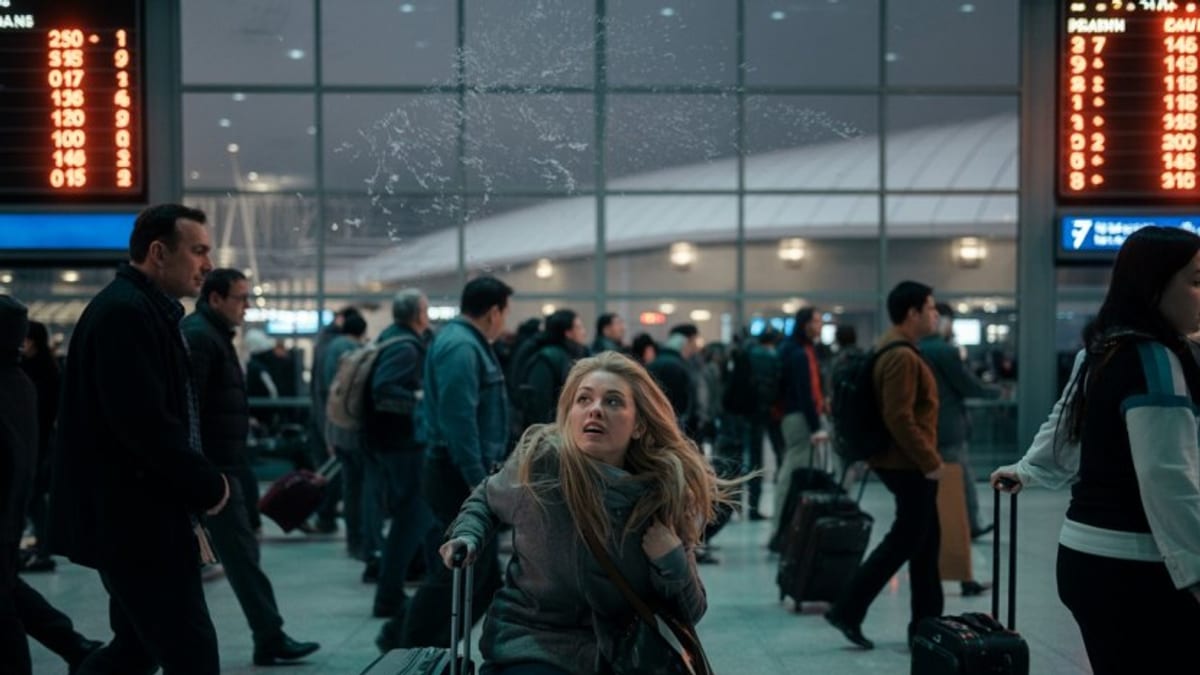
Disruptions Spread From Atlanta, Boston and California Gateways
Publicly available tracking data indicates that cancellations and delays are scattered across the country rather than confined to a single airport or weather system, with the heaviest visible impacts at large coastal and southern hubs. Atlanta, home base for Delta Air Lines and one of the world’s busiest passenger airports, is again a focal point, with scrapped departures and rolling delays affecting both domestic and transcontinental routes.
In the Northeast, Logan International Airport in Boston is reporting a mix of late departures and arrivals alongside a smaller number of outright cancellations, complicating connections for travelers heading to or from Europe and Canada. Reports indicate that some services operated or marketed by British Airways, Lufthansa and Air Canada are among those hit, adding pressure to transatlantic and transborder links as the summer travel season intensifies.
On the West Coast, major California gateways are seeing a familiar pattern of stacked departure boards, with late-running inbound aircraft creating knock-on effects for afternoon and evening banked departures. Flights connecting California with the southeastern United States and New England are particularly exposed when disruption starts at East Coast or Midwest hubs earlier in the day.
The picture that emerges from multiple tracking and aviation data services is a patchwork of operational challenges, where even a relatively modest number of cancellations can cascade into far larger numbers of delayed flights as airlines reshuffle aircraft, crew and gate space.
Major Carriers Shoulder the Brunt of Today’s Disruption
The bulk of the cancellations and delays is concentrated among large network airlines that dominate traffic at affected airports. Delta Air Lines and United Airlines, which operate vast domestic and international networks from multiple US hubs, appear prominently in today’s disruption tallies, alongside Air Canada and its regional partner Jazz on cross-border and feeder routes.
Published coverage of current operations shows that European flag carriers such as British Airways and Lufthansa are also contending with irregular schedules, particularly on services tied to congested US hubs. When long-haul flights from Europe arrive late or are rescheduled, the impact can radiate through entire networks, affecting onward connections, crew rotations and aircraft utilization for days.
While the absolute number of canceled departures nationwide remains in the low dozens, the profile of the affected airlines magnifies the impact. These carriers tend to operate high-frequency routes at slot-constrained airports, meaning that a single canceled rotation can leave little immediate room to insert recovery flights. As a result, passengers may see a higher proportion of long delays when airlines attempt to preserve as much of the planned schedule as possible rather than cancel additional services.
Industry observers note that major airlines are still balancing strong travel demand against tight crew and fleet resources, a combination that leaves little margin for error when storms, air traffic control restrictions or technical issues emerge at one or more hubs.
Operational Strain, Weather and Airspace Limits Intersect
Although no nationwide ground stop is in effect, airspace management advisories and local weather systems are contributing to today’s disruption picture. Updates published by the Federal Aviation Administration’s national airspace system show intermittent ground delay programs and flow controls at several high-volume airports, which can force airlines to stretch out departure times or hold flights at origin until arrival slots become available.
In this environment, even brief thunderstorms near a hub, low cloud ceilings or temporary runway constraints can trigger a chain reaction of schedule adjustments. When departures are held on the ground, crews may bump up against duty-time limits, in some cases requiring airlines to cancel flights outright or wait for replacement staff to position in from other cities.
Airlines also continue to face the challenge of rebuilding network resilience after several seasons of elevated demand and staffing transitions. Public reports and traveler accounts from earlier in the year describe instances in which aircraft and crews were available but not in the right place at the right time, amplifying the effect of otherwise routine disruptions. Today’s pattern of scattered cancellations combined with a far larger number of delays suggests a similar dynamic at work.
Analysts point out that modern airline schedules are highly optimized for efficiency, with tight turnaround times and dense use of aircraft throughout the day. While this improves utilization in normal conditions, it can leave networks vulnerable when irregular operations persist for more than a few hours.
Passengers Face Missed Connections, Rebookings and Overnight Stays
For travelers, the numerical distinction between a cancellation and a delay often matters less than the practical consequences. With more than 550 flights running late, many passengers are encountering missed connections, last-minute gate changes and rebookings onto later services, including on the following day where seats are tight.
In hub airports such as Atlanta, Boston and major California gateways, disrupted flyers are frequently funneled through central customer service points, where rebooking queues can build quickly during peak disruption. Publicly available guidance from airlines and passenger-rights organizations emphasizes the value of using mobile apps and self-service tools to seek alternative routings while waiting in line, particularly when seats on remaining departures are scarce.
Travelers on international itineraries involving British Airways, Lufthansa, Air Canada or Jazz may also face a complex mix of consumer-protection regimes, depending on whether their journeys touch the European Union, the United Kingdom, Canada or only the United States. Passenger-advocacy sites highlight that entitlement to compensation or meal and hotel vouchers can vary significantly with the origin and destination of the trip, the marketing carrier, and whether the disruption is classified as within the airline’s control.
In the near term, many stranded passengers are focusing less on compensation and more on securing the earliest available seat to their destination. Reports from affected airports describe travelers accepting reroutes through secondary hubs, overnight stays and longer total journey times in order to avoid being stuck for multiple days during a busy travel period.
What Travelers Can Do When Disruptions Mount
Industry guidance suggests several practical steps for passengers facing cancellations or extended delays during periods of widespread disruption. Checking flight status frequently in the hours before departure, enrolling in airline text or app notifications, and monitoring both the operating and marketing carrier can provide earlier warning of schedule changes.
When cancellations occur, publicly available airline policies often allow affected customers to rebook without additional fare differences within a defined travel window, especially during weather or airspace events. Some carriers also permit same-day changes to nearby airports, which can be useful for travelers in regions with multiple viable gateways, such as the Boston–New York corridor or Southern California.
Travel and consumer organizations advise that passengers document their disruption, retain boarding passes and receipts, and review the specific rules that apply to their itinerary after travel is complete. In some jurisdictions, especially for flights to, from or within Europe and Canada, travelers may have additional rights to financial compensation or reimbursement for meals and accommodations when delays or cancellations are not caused by extraordinary circumstances.
With operational strain continuing across parts of the North American and transatlantic networks, aviation analysts expect intermittent days of heightened disruption to remain a feature of the 2026 summer season. For now, the combination of more than 60 cancellations and hundreds of delays serves as a reminder that even on days without a single defining crisis, the cumulative effect of routine disruptions can significantly reshape travel plans.