

More news on this day
Dallas Fort Worth International Airport has brought a major new slice of capacity online with the unveiling of a nine gate expansion to Terminal C in partnership with American Airlines, a high profile project positioned to reinforce North Texas as one of the most powerful connecting hubs in global air travel.
Get the latest news straight to your inbox!
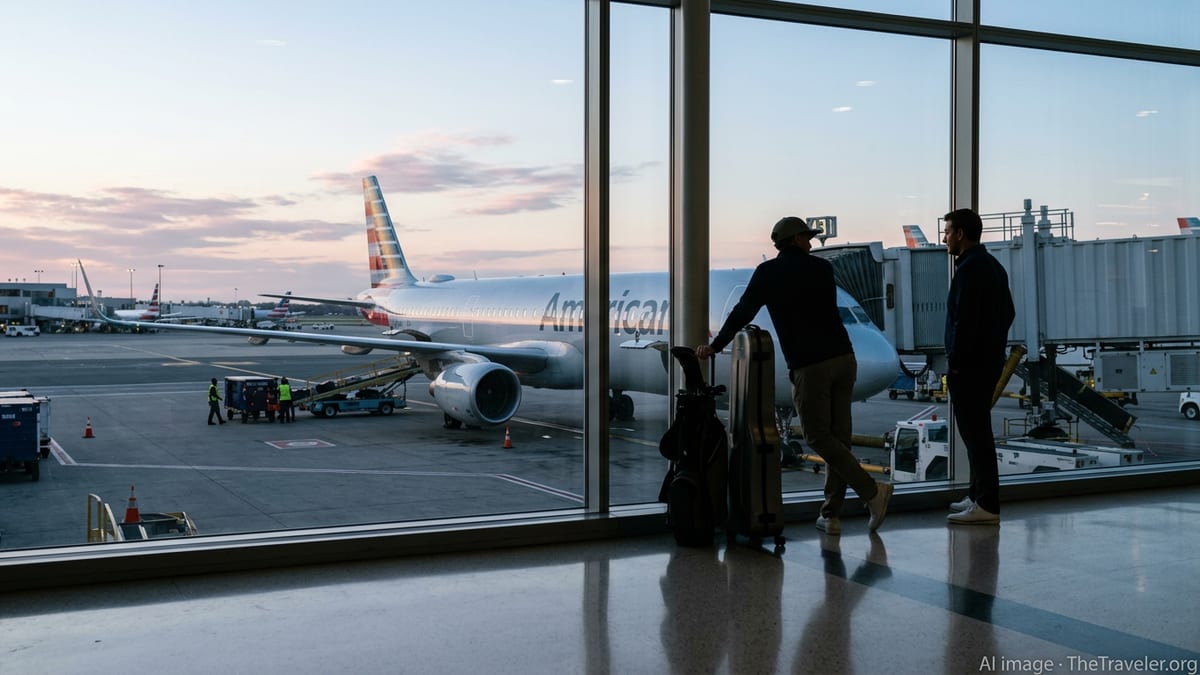
A New 9 Gate Pier Supercharges American’s Largest Hub
Publicly available information from American Airlines and DFW Airport indicates that the new pier style extension at Terminal C adds nine state of the art gates, forming part of a multibillion dollar effort to rebuild the terminal from the ground up. The expansion follows earlier work on the so called High C gates and is designed to knit seamlessly into the existing concourse while updating one of the airport’s oldest facilities.
Reports describe a 115,000 square foot expansion that blends rebuilt gates with brand new positions for American’s domestic operation. The nine gates will be used by a mix of mainline and regional aircraft, giving the airline more flexibility to schedule peak time departures and reduce the gate congestion that has become a familiar feature of busy bank waves at DFW.
American already operates across Terminals A, B, C and D at Dallas Fort Worth, and industry data frequently cites the DFW hub as one of the largest single airline hubs in the world. Adding nine more modern gates in Terminal C gives the carrier additional room to grow while maintaining the tightly timed connection patterns that underpin its domestic and international network.
Airport planning documents describe the Terminal C reconstruction as part of a broader capital program that also includes a future Terminal F and roadway, parking and airfield upgrades. The new pier is one of the most visible early milestones of that wider plan and signals that the airport intends to keep pushing capacity higher as passenger volumes grow.
Passenger Experience Upgrades From Curb to Gate
The Terminal C expansion is not only about adding more aircraft parking positions. Project materials from the airport highlight a complete rethink of the customer journey, including a more open concourse, expanded seating, upgraded restrooms and new concession spaces positioned along the new pier. The design aims to replace the cramped feel that long characterized older parts of the terminal with brighter, more spacious waiting areas.
Photography and descriptions of the new gates show high ceilings, larger windows and modern finishes that bring Terminal C in line with the look and feel of newer facilities elsewhere at DFW. Power outlets and device charging points are more widely available, and holding rooms are designed to better accommodate today’s fuller flights and rolling bank schedules.
The airport’s long running focus on ease of transfers is also built into the project. The free Skylink people mover continues to connect Terminal C with the rest of the airport airside, while the rebuilt spaces are being coordinated with new parking facilities and improved curbside access. Planning documents note that the south parking garage adjacent to Terminal C is being redeveloped to match the terminal’s added capacity and modernize parking technology.
Additional concessions and retail are expected to roll out as the pier ramps up, broadening food and shopping options in what has historically been one of DFW’s more constrained terminals. For connecting passengers, the upgrades are intended to make tight layovers more comfortable and to reduce crowding at peak times.
Technology and Operational Efficiency at the New Gates
The Terminal C pier is also serving as a testbed for new technology. Aviation trade coverage indicates that American is introducing electronic boarding gates in the expanded area, using automated lanes to scan boarding passes and manage the flow of customers onto aircraft. This follows smaller pilots of similar systems and reflects a broader industry trend toward more automated, touch efficient boarding processes.
The airline has also been rolling out enhanced gate and boarding software across its network, and the concentration of new gates at DFW provides an opportunity to integrate those tools with the physical design of the concourse. The goal, according to public statements and industry analysis, is to reduce boarding times, cut down on last minute gate changes and keep complex hub operations moving even during irregular operations.
For DFW Airport, the new gates contribute directly to operational resilience. More flexible gate capacity can help absorb late running flights, provide additional overnight aircraft parking and support schedule growth without placing further strain on older parts of the terminal. Observers note that this extra elasticity is particularly important at hubs like Dallas Fort Worth, where weather and national airspace constraints can quickly ripple through the tightly banked schedule.
A combination of upgraded gate technology, refreshed layouts and more space is expected to improve on time performance metrics over time, although analysts also point out that the full impact will only become clear as the new pier is integrated into daily operations and future phases of the Terminal C rebuild come online.
Strengthening Dallas Fort Worth’s Role as a Global Connector
While the new gates primarily serve domestic flights, the expansion plays directly into Dallas Fort Worth’s role as a global connecting hub. Terminal C is one of the key feeders into Terminal D, which handles the bulk of long haul international flying at the airport. By increasing capacity and smoothing passenger flows through C, American and DFW gain more flexibility to support growth on transatlantic, transpacific and Latin American routes.
Industry statistics already place DFW among the world’s busiest airports by passenger traffic, with American’s operation accounting for the vast majority of movements. Additional gate capacity at the carrier’s busiest terminal allows for more connecting itineraries, tighter bank structures and the possibility of adding new spokes into the network that can feed widebody departures.
Regional stakeholders often cite the airport as a key economic engine for North Texas, and the Terminal C expansion is likely to reinforce that status. More gates and higher throughput can translate into more jobs across aviation, hospitality and logistics, while enhanced connectivity makes the Dallas Fort Worth metroplex even more attractive to businesses that depend on frequent, reliable air links.
According to publicly available planning documents, the Terminal C work is just one component of a nearly 9 billion dollar capital program that will stretch over several years. As that investment continues, the airport is expected to add even more capacity and amenities, strengthening its competitive position against other mega hubs across the United States.
What Travelers Can Expect in the Coming Years
For travelers passing through DFW in the near term, the most visible change will be the new pier itself, with modern gate areas and updated wayfinding guiding passengers to the added gates at the south end of Terminal C. Flight boards will gradually reflect more operations using the expansion as American shifts patterns to take advantage of the new capacity.
Construction will continue elsewhere in Terminal C as the broader reconstruction project advances, so passengers can expect a mix of brand new and older spaces for some time. The airport has signaled that it intends to phase work to keep disruption manageable, using the new pier to maintain gate counts while other sections are taken offline for renovation.
Travelers connecting through Dallas Fort Worth are advised by airport guides and traveler reports to continue relying on the Skylink train for fast terminal transfers and to pay close attention to potential gate changes as the operation settles into its new configuration. Over time, as additional elements of the Terminal C rebuild and the wider capital program are completed, the experience at what has long been regarded as DFW’s most dated concourse is expected to converge with the more modern feel of Terminals D and the future Terminal F.
With the nine gate Terminal C expansion now open, Dallas Fort Worth International Airport and American Airlines have taken a significant step in reshaping the hub for the next generation of growth, positioning North Texas as an even more central crossroads in global aviation.