


More news on this day
Spain’s decision to declare a national emergency in response to fast-moving wildfires near Madrid and in the province of Ávila has prompted fresh travel warnings for UK holidaymakers, as authorities expand evacuations and urge visitors to be ready for sudden disruption in some of the country’s most popular regions.
Get the latest news straight to your inbox!
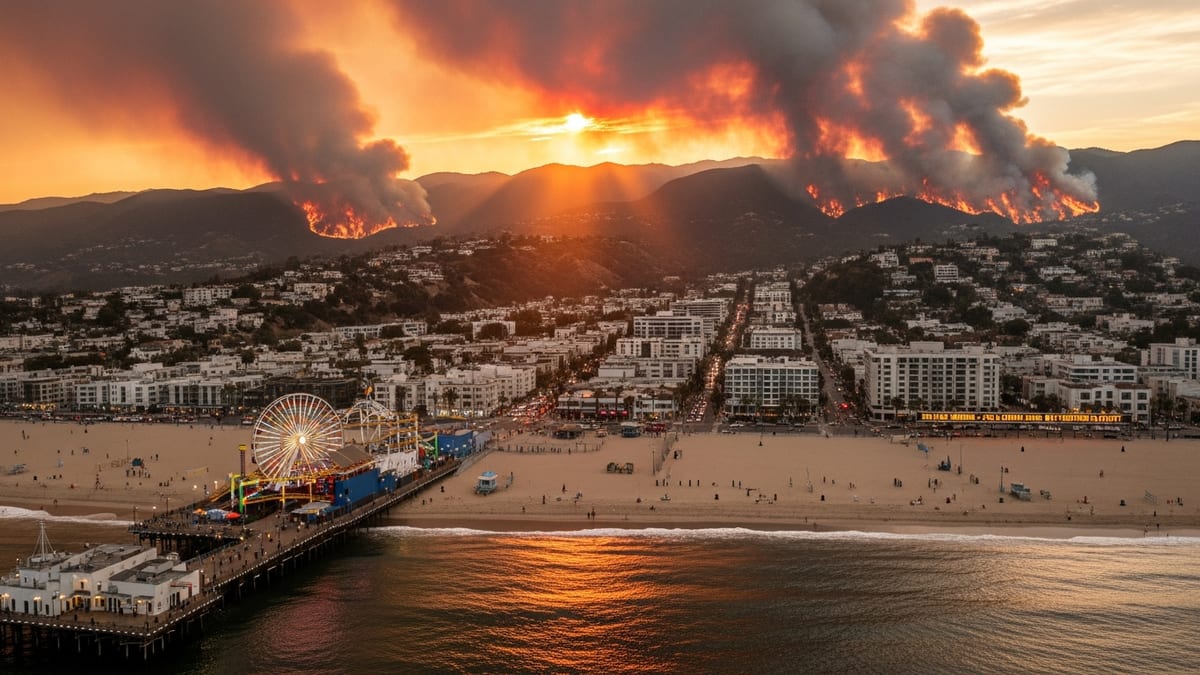
National emergency declared over escalating wildfires
Spain has formally declared a national-level emergency for a cluster of wildfires burning in the Community of Madrid and neighbouring Ávila, following days of searing heat, strong winds and rapidly advancing flames. According to published government information, the decision was taken after regional firefighting capacity was stretched and additional national resources were required to protect communities and infrastructure.
Reports indicate that several large blazes have combined or are threatening to merge, creating complex fire fronts and heavy smoke plumes visible across central Spain. Local media coverage suggests that thousands of residents and visitors have been ordered to evacuate or to remain indoors, depending on their proximity to the fires and prevailing wind conditions.
Spain’s civil protection framework allows the central government to assume overall coordination when an emergency exceeds regional capabilities. In this case, the declaration places the response under national command, enabling the wider deployment of specialised firefighting units, aircraft and military support to the affected areas.
Firefighters are continuing ground and aerial operations around the clock, but authorities in Spain have cautioned that hot, dry weather is likely to persist, raising concerns about further flare ups and new ignitions across already stressed landscapes.
Foreign Office updates travel advice for Spain
The UK Foreign, Commonwealth and Development Office has updated its travel advice for Spain to reflect the heightened wildfire risk and the national emergency status in parts of the country. The advisory highlights ongoing fires in areas around Madrid and Ávila and warns that additional outbreaks are possible elsewhere during the current heatwave period.
Publicly available guidance urges UK nationals to monitor local news, follow instructions issued by regional emergency services and be prepared for rapid changes to transport, accommodation and outdoor activity plans. Travellers are also being advised that access to certain rural areas, natural parks and hiking routes may be restricted at short notice to reduce the risk of new fires starting and to keep roads clear for emergency vehicles.
Although Spain remains open for tourism and flights are operating, the updated notice underlines that conditions near active fires can deteriorate quickly. Smoke can affect visibility on roads and around airports, while diversion of rail and coach services is possible if lines or highways are threatened or closed as a precaution.
The Foreign Office guidance also reminds visitors that standard travel insurance may not cover all costs linked to disruption from natural disasters, encouraging travellers to review policy wording and keep documentation and emergency contact numbers to hand.
Key regions impacted and what tourists can expect
The wildfires at the centre of the national emergency are concentrated in inland areas, particularly forested zones and rural communities to the northwest of Madrid and across parts of Ávila. Many of these locations are popular with domestic and international visitors for hiking, mountain biking and nature tourism during the summer months.
For tourists staying in central Madrid, daily life in the city has largely continued as normal, although periods of haze and smoke smell have been reported in outlying districts when the wind shifts. Travellers heading into the Sierra de Guadarrama or other highland areas may encounter roadblocks, detours or last-minute cancellations of outdoor excursions.
Travel industry updates indicate that tour operators and hotels in affected rural zones are working to relocate guests to safer areas where necessary. Some campsites and rural lodges have closed temporarily, either due to direct risk from nearby fires or because authorities have ordered evacuations along key access routes.
Further afield, other Spanish regions that remain unaffected by the current blazes, such as much of the Mediterranean coast and the Balearic and Canary Islands, continue to welcome visitors. However, local administrations across the country are reinforcing fire restrictions in forests and open countryside, and tourists are being asked to take extra care with barbecues, cigarettes and vehicle parking on dry grass.
Safety guidance for UK travellers in Spain
Travel and safety agencies recommend that visitors heading to Spain in the coming days take a few practical steps before departure. These include registering contact details with airlines and tour operators, ensuring mobile phones are set to receive emergency alerts, and checking hotel cancellation or change policies in case plans need to be adjusted at short notice.
On the ground, travellers are advised to stay informed through local television, radio and official civil protection channels, particularly if staying in rural accommodation or planning day trips to mountainous or wooded areas. If smoke or flames are visible, or if emergency vehicles are operating nearby, visitors should keep clear of affected zones and avoid driving towards fire fronts to take photographs or videos.
Health agencies note that smoke and poor air quality can pose additional risks for people with respiratory or cardiovascular conditions. Tourists in vulnerable groups may wish to limit strenuous outdoor activity on days when haze is visible or when local authorities issue specific air quality alerts.
Visitors using hire cars are being encouraged to keep fuel tanks topped up, carry drinking water in the vehicle and familiarise themselves with alternative routes in case primary roads are closed. Keeping important documents such as passports and insurance details in a small, easily accessible bag can also help if a rapid evacuation is ordered for a hotel or holiday rental.
Future outlook as heat and fire season continue
Climate and fire specialists note that Spain has faced increasingly intense and frequent wildfire seasons in recent years, driven by a combination of higher temperatures, prolonged dry spells and fuel build up in forests and scrubland. Early data for this year suggest that tens of thousands of hectares have already burned nationwide, aligning with or exceeding long term seasonal averages.
With summer conditions set to continue across the Iberian Peninsula, national and regional authorities in Spain are maintaining high fire alert levels and pre-positioning additional resources in areas regarded as particularly vulnerable. This includes continued readiness of aerial firefighting assets and reinforcement of ground crews in both mainland regions and island territories.
For the travel sector, the priority remains keeping tourism flows moving while adapting rapidly when localised emergencies arise. Industry observers point out that Spain’s main urban centres and coastal resorts are well equipped to host displaced visitors from affected rural areas, and that flexible booking options are increasingly part of standard summer travel planning.
Travelers planning trips to Spain in the coming weeks are being encouraged to remain optimistic but realistic: to continue with holidays where it is safe to do so, but to build in contingency time, keep a close eye on official updates and be prepared to pivot plans if wildfire activity intensifies in specific regions.