


Diamond Resorts, now part of Hilton Grand Vacations, is in the middle of a quiet transformation. Legacy Diamond properties are steadily being rebranded into the Hilton Vacation Club portfolio, giving travelers a wider network of beach, mountain, city and family-friendly resorts under a globally recognized flag. For guests, the landscape can feel confusing: Diamond, Hilton Grand Vacations, Hilton Vacation Club, HGV Max, trusts and club points. This guide focuses on what actually matters for travelers choosing where to stay: how the legacy Diamond footprint fits into the new Hilton ecosystem, what the rebrands look like on the ground and which resorts are worth planning a trip around in 2024 and 2025.
Get the latest updates straight to your inbox!
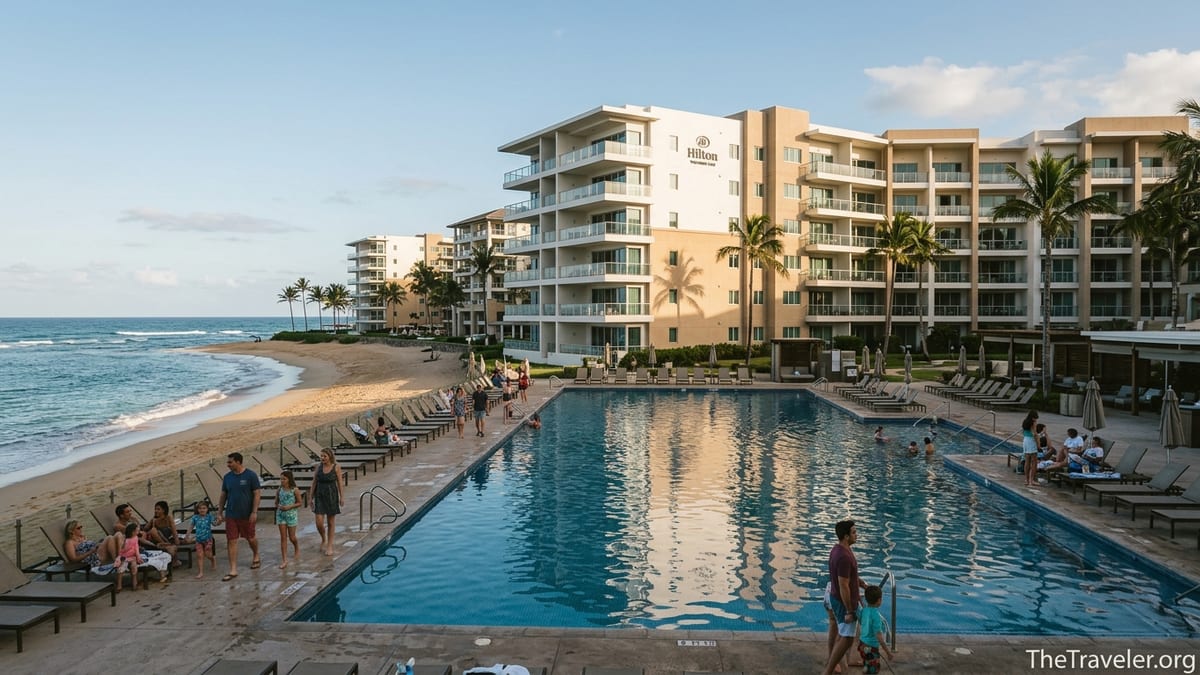
From Diamond Resorts to Hilton Vacation Club: What Changed
Hilton Grand Vacations completed its acquisition of Diamond Resorts in August 2021, folding one of the largest independent timeshare operators into the Hilton ecosystem. In practice, that means many long-standing Diamond properties in North America, Europe and Asia are now being refreshed and rebranded as Hilton Vacation Club resorts. While some signage and legacy materials may still show the Diamond name, day-to-day operations and standards are now overseen by Hilton Grand Vacations. For travelers, this usually translates into more consistent room standards, upgraded soft goods such as bedding and towels, and better integration with Hilton’s broader reservations and loyalty channels.
Hilton now uses three main labels in the vacation ownership space: Hilton Grand Vacations and Hilton Club for traditional HGV resorts, and Hilton Vacation Club for most ex-Diamond properties and trust-based products. On booking sites, you will typically spot legacy Diamond locations labeled as Hilton Vacation Club followed by the resort name, such as Hilton Vacation Club Cancun Resort Las Vegas or Hilton Vacation Club Ka’anapali Beach Maui. In many cases the physical resort is the same one Diamond owners have known for years, but with updated branding, refreshed interiors and new membership rules behind the scenes.
For non-owners booking cash stays, the transition is mostly positive. Hilton applies its brand standards to reflagged resorts, which usually means more predictable housekeeping, standardized amenities like Wi-Fi, and clearer room descriptions. However, because many of these properties were originally built as timeshare resorts, layouts skew toward condo-style units with kitchens and separate living areas rather than standard hotel rooms. Travelers looking for apartment-style space in resort destinations can often find strong value at these former Diamond properties, especially outside peak holiday weeks.
It is worth noting that not every Diamond property will become a Hilton Vacation Club location. Hilton evaluates each resort against its standards and long-term strategy. Some smaller, older or more remote properties may remain under the Diamond name for now, particularly in Europe where branding, contracts and regulations are more complex. When you research a destination, you will often see a mix of Hilton Vacation Club, Hilton Grand Vacations and a handful of still-branded Diamond Resorts in nearby markets, reflecting this transitional period.
Legacy Diamond Strongholds: Where the Footprint Still Matters
Even under new branding, the old Diamond footprint still shapes where travelers will find the most choice. Before the acquisition, Diamond Resorts had more than 300 affiliated properties worldwide, with particularly dense coverage in the American West, Hawaii, Mexico’s resort coasts, the Canary Islands, Spain’s Costa del Sol and the United Kingdom. Many of those locations remain the backbone of today’s Hilton Vacation Club map. For example, vacationers who knew Diamond for its desert escapes in Nevada and Arizona will recognize familiar towers and villa complexes now carrying Hilton signage around Las Vegas, Sedona and Scottsdale.
Las Vegas is one of the clearest examples. Diamond long maintained multiple off-Strip condo-style resorts near the major casinos, popular with families and groups wanting kitchen-equipped suites a short ride from the action. Properties like Cancun Resort on Las Vegas Boulevard and Polo Towers near the Strip have been refreshed and repositioned within the Hilton Vacation Club family. While rates fluctuate significantly around major events, it is common to see one-bedroom suites with kitchenettes in these resorts priced competitively with standard hotel rooms at mid-range casino hotels, especially Sundays through Thursdays outside convention season.
Hawaii is another legacy Diamond stronghold now firmly under the Hilton umbrella. On Maui’s Ka’anapali Coast, the former Diamond-managed Ka’anapali Beach Club now appears as a Hilton Vacation Club resort, offering large one- and two-bedroom oceanfront units with kitchenettes and balconies. For families who might otherwise book two hotel rooms at a traditional beachfront property, these condo-style units can be more economical and comfortable, particularly if you are staying five nights or longer and plan to cook some meals in-room. Availability for peak months such as late December and July can be tight, so booking several months ahead is advisable.
In Europe, the legacy Diamond map remains important for travelers seeking apartment-style stays in resort regions rather than city centers. Diamond historically operated properties in Spanish destinations like Málaga and the Costa del Sol, as well as in the Canary Islands, Portugal’s Algarve, the Balearic Islands and select countryside and coastal locations in the United Kingdom and France. Some of these European resorts are gradually aligning with Hilton standards and, in certain cases, rebranding, but the pace is slower than in North America. Travelers considering extended stays in southern Europe often leverage these properties for two- or three-week holidays, taking advantage of on-site kitchens and laundry to keep costs manageable.
Hilton Vacation Club Rebrands: What Travelers Will Notice
For guests who stayed at Diamond Resorts in the past, the most visible change at rebranded Hilton Vacation Club properties tends to be the combination of familiar floor plans with updated interiors and signage. Soft refurbishments are common: replaced sofas and beds, new artwork, brighter lighting and upgraded pool or lobby furnishings. At a desert resort outside Phoenix, for instance, a two-bedroom villa that previously featured heavy dark-wood decor and older appliances may now feel closer to a contemporary Hilton Garden Inn in style but retain its full kitchen, dining area and separate bedrooms.
Service culture often shifts as well. Hilton places strong emphasis on standard operating procedures and guest feedback scores, so travelers may notice more structured front-desk processes, clearer elite recognition for Hilton Grand Vacations club members and better communication about resort activities. At a rebranded Las Vegas property, this might mean more consistent check-in times, clearer signage around pool rules and increased availability of staff at peak hours. Guests who encountered variable service at the same resort under Diamond management often report a modest but noticeable step up in consistency, though experiences still vary by property and local management.
Another practical difference is integration with Hilton’s broader booking and marketing systems. Many Hilton Vacation Club resorts now appear in Hilton Grand Vacations’ destination and resort directories, and over time more of them are expected to become visible to cash guests searching through Hilton’s public channels. As this integration continues, travelers will likely find it easier to compare former Diamond properties with traditional Hilton Grand Vacations resorts in destinations where both coexist, such as Orlando, Oahu and Las Vegas. For now, some rebranded properties may still require booking through specialized vacation ownership or package channels rather than the standard Hilton consumer website.
Pricing at Hilton Vacation Club resorts continues to reflect their timeshare roots. Weekly stays or four-night midweek visits usually yield the best per-night value, while one-night weekend stays can price higher relative to full-service hotels in the same destination. Travelers flexible on travel dates may find that a Sunday to Thursday stay at a Hilton Vacation Club beach or mountain resort can cost roughly the same as three nights at a nearby branded hotel, especially outside school holidays. Because many units feature full kitchens and separate bedrooms, the effective value can be significantly higher for families who would otherwise book multiple rooms or eat every meal out.
Best Beach Resorts in the Former Diamond Network
Beach destinations are where the legacy Diamond portfolio shines most clearly, and many of these resorts are now positioned within the Hilton Vacation Club ecosystem. On Maui, the rebranded Ka’anapali Beach property offers spacious oceanfront suites with easy access to the island’s famous beach walk, snorkeling spots and golf courses. Guests often treat it as a home base for day trips to Lahaina, upcountry farms and the Road to Hana, returning each evening to a resort-style pool deck and on-site dining that remains more relaxed than at some of the area’s busy hotels.
In Mexico, the former Diamond footprint included multiple coastal properties in popular vacation corridors such as the Riviera Maya and Baja California. Under Hilton’s stewardship, these resorts typically emphasize family-friendly setups: one- and two-bedroom apartments with resort pools, children’s play areas and on-site casual restaurants. While the branding and exact names may change as the rebranding program moves forward, the basic appeal remains the same: an all-condo beach complex with hotel-like services at prices that, in shoulder seasons, can compare favorably with traditional all-inclusive resorts for families willing to prepare some meals in their own kitchens.
Closer to the continental United States, coastal resorts in Florida and the Carolinas reflect Diamond’s long-time focus on drive-to markets. In places like Daytona Beach, Orlando-area lake resorts and Hilton Head Island, properties now linked to Hilton Vacation Club offer condo-style units near wide, family-oriented beaches and golf courses. In these markets, the competition includes not only major hotel chains but also thousands of private vacation rentals. Travelers who prefer the predictability of a branded resort, structured housekeeping and on-site amenities such as pools and kids’ clubs often gravitate toward these former Diamond properties, even if nightly rates trend slightly higher than comparable condos rented from private owners.
On the Atlantic side, resorts in markets like Myrtle Beach and Virginia Beach often attract multigenerational groups. Legacy Diamond coastal towers now under the Hilton umbrella typically offer large living rooms, sleeper sofas and dining areas that can comfortably handle grandparents, parents and children under one roof. For a family reunion, it is not unusual to book two adjacent two-bedroom suites for a week, splitting the cost among several households. While peak summer weeks can command premium rates, early June and late August frequently deliver better value for those with flexible school or work schedules.
Mountain, Desert and Nature Escapes
Beyond the coasts, Diamond historically invested heavily in mountain and desert destinations, a pattern that continues to benefit Hilton Vacation Club travelers today. In the American Southwest, resorts around Sedona, Scottsdale and Palm Springs remain staples for travelers chasing red-rock views, golf and spa getaways. These properties typically feature low-rise casita or villa-style buildings with fireplaces, patios and pools that stay busy from October through April, when desert temperatures are at their most pleasant. Many guests pair a long weekend in one of these resorts with hiking in nearby state parks or day trips to national parks within a few hours’ drive.
In the Rockies and other mountain regions, legacy Diamond resorts often occupy ski-adjacent or village locations rather than true ski-in/ski-out addresses, which keeps pricing accessible for families who value space over absolute slope proximity. A typical setup might involve a one-bedroom unit in a Colorado or Utah resort town, with a shuttle to lifts, ski lockers, hot tubs and a small grocery shop within walking distance. For a family of four traveling in January or February, this type of condo-style unit can be more economical than two adjoining hotel rooms, especially when you factor in the ability to prepare breakfasts and some dinners in the unit.
In Canada and the Pacific Northwest, former Diamond properties in destinations like Vancouver Island, coastal British Columbia and interior mountain villages continue to appeal to nature-focused travelers. These resorts often emphasize outdoor access over high-end amenities, pairing basic but comfortable apartments with easy drives to national parks, whale-watching tours or alpine lakes. Under Hilton’s umbrella, maintenance standards and guest services are gradually being lifted to align more closely with North American resort expectations, though guests should still expect a quieter, outdoorsy ambiance rather than a full-scale luxury resort experience.
For desert and mountain stays, seasonality drives both pricing and atmosphere. Shoulder seasons in places like Sedona or Palm Springs, such as late September or early May, often deliver daytime warmth, cooler evenings and lower nightly rates than peak winter months. In ski regions, early December and late March can provide a useful compromise between snow conditions and affordability. Travelers using Hilton Vacation Club or legacy Diamond networks can often find last-minute availability during these periods, especially for midweek arrivals.
City and Culture Stays: Urban Legacy of Diamond Resorts
While Diamond was best known for resort destinations, it also built an intriguing collection of city properties, many of which now sit under Hilton’s vacation ownership umbrella. In cities like Las Vegas, Orlando and Honolulu, the line between “resort” and “city stay” blurs, and legacy Diamond towers often combine urban convenience with full resort facilities. A high-rise condo resort just off the Las Vegas Strip, for example, offers walkable access to major casinos while insulating guests from the 24-hour noise and crowds, thanks to self-contained pools, fitness centers and in-room kitchens.
In Orlando, multiple former Diamond resorts are positioned near the major theme parks, making them attractive bases for families planning three to seven days of park-hopping. Two-bedroom units with washer-dryers and full kitchens can dramatically simplify a Walt Disney World or Universal Orlando trip, allowing families to pack lighter and break up long days with afternoon rest periods back at the resort. Under Hilton’s management, shuttle arrangements, ticket desk services and concierge offerings at these properties tend to be more standardized, which reduces the guesswork for first-time visitors.
Beyond traditional resort hubs, Diamond’s historic portfolio also touched key cultural and gateway cities in Europe and North America. Urban apartment-style properties near historic centers or major attractions allowed guests to experience cities like London, Paris or Barcelona with more space than a typical hotel room. As Hilton continues to integrate and, in some cases, rebrand these locations, travelers can expect greater alignment with Hilton’s safety, cleanliness and accessibility standards. However, building age and local regulations mean that not every city property will feel as modern as a newly built Hilton Garden Inn, so it is still important to study recent guest reviews when choosing a stay.
For city stays, availability patterns differ from pure resort markets. Midweek business demand can push up prices in downtown locations, while weekends tied to festivals, concerts or major sports events also spike rates. Travelers using the Hilton Vacation Club and legacy Diamond network can sometimes find strong value by targeting shoulder nights, such as Sunday arrivals, and combining an urban stay with a follow-on visit to a nearby resort area within easy driving distance.
Family-Friendly Stays and How to Choose the Right Resort
Families are the core audience for many former Diamond properties, and that focus has carried forward into the Hilton Vacation Club era. Most resorts in this legacy network emphasize multi-bedroom units, living and dining areas, and full or partial kitchens. For a family of five or six, being able to sleep everyone in a single unit rather than booking two separate hotel rooms can simplify logistics and keep overall costs in check. When you factor in savings from preparing breakfast and some dinners in-room, weeklong stays often prove more economical than they first appear when comparing nightly rates alone.
A practical way to choose among these resorts is to start with your primary activity. For theme-park-heavy vacations, look for properties in Orlando, Anaheim or other park-adjacent areas that advertise shuttle services, ticket assistance and kid-friendly pools. For beach-focused trips, examine how close the resort sits to the shoreline, whether units have ocean views and how many on-site dining options are available for days when you do not want to cook. In mountain and desert locations, outdoor pool heating, hot tubs and proximity to trailheads or golf courses may matter more than on-site restaurants.
Families should also pay attention to the mix of timeshare owners and transient guests at a given property. Resorts with a high concentration of owners often develop a regular seasonal rhythm, with the same families returning at the same time each year. This can create a strongly community-oriented atmosphere, which many guests enjoy but which may not suit travelers seeking anonymity or hotel-like formality. Under Hilton’s guidance, guest policies, quiet hours and activity schedules are becoming more standardized, yet every resort retains a distinct personality that is shaped by its long-time owners.
Finally, it is wise to budget realistically for extras. While condo-style resorts can reduce restaurant spending, fees such as resort charges, parking, Wi-Fi (where not included) and activities can add up quickly, particularly in high-demand destinations like Hawaii or popular ski towns. Before booking, look closely at what is included in the nightly rate and which amenities cost extra. At many former Diamond properties now under the Hilton Vacation Club flag, basics such as pool access and standard Wi-Fi are included, but enhanced services like cabana rentals, spa treatments or guided excursions carry separate fees similar to those at traditional full-service resorts.
The Takeaway
The integration of Diamond Resorts into Hilton Grand Vacations and the emergence of the Hilton Vacation Club brand have created one of the broadest vacation ownership footprints in the industry. For travelers who simply want a comfortable place to stay, the corporate backstory matters less than the practical outcomes: more condo-style resorts in desirable beach, mountain, desert and city destinations now operate under a familiar global umbrella, with gradually improving consistency in service and standards.
Legacy Diamond strongholds such as Las Vegas, Hawaii, the American Southwest, Florida, Mexico and southern Europe remain particularly rich hunting grounds for travelers seeking apartment-style accommodations with resort amenities. As rebranding progresses, recognizable properties in these regions are increasingly carrying Hilton signage, refreshed interiors and closer alignment with Hilton’s service expectations, while still offering the generous floor plans and family-friendly layouts that drew vacation owners to Diamond in the first place.
For families, multigenerational groups and travelers planning longer stays, these former Diamond properties can deliver strong value, especially outside peak school holidays and major event weeks. The key is to match resort style and location to your travel priorities, read current guest feedback carefully, and pay close attention to how fees and inclusions are structured. Whether you know them as Diamond Resorts, Hilton Vacation Club or simply as your favorite place by the beach or in the mountains, these properties remain a compelling option for travelers who value space, kitchens and a residential feel alongside traditional resort comforts.
FAQ
Q1. What is the difference between Diamond Resorts and Hilton Vacation Club now?
Hilton Grand Vacations acquired Diamond Resorts in 2021 and is rebranding many of its properties as Hilton Vacation Club. In practical terms, most guests will now see the Hilton name on former Diamond resorts, with updated standards and systems, although some locations still carry the Diamond branding during the transition.
Q2. Are all former Diamond Resorts being rebranded to Hilton properties?
No. Many, but not all, former Diamond resorts are being converted to Hilton Vacation Club or other Hilton-branded timeshare products. Hilton evaluates each property individually, so some resorts, especially smaller or older ones, may retain the Diamond name or operate under different arrangements for the foreseeable future.
Q3. Can I book a stay at a former Diamond resort without owning a timeshare?
In many cases, yes. A significant number of legacy Diamond and Hilton Vacation Club properties make a portion of their inventory available for cash bookings, especially outside peak weeks. You typically book these stays through standard Hilton or vacation package channels, though exact availability varies by resort and season.
Q4. How do former Diamond beach resorts compare to traditional beach hotels?
Most legacy Diamond beach resorts offer larger condo-style units with kitchens and separate living areas, which can be ideal for families or longer stays. Traditional beach hotels often have smaller rooms but more extensive on-site dining and services. Pricing can be similar on a per-night basis, but condo resorts may offer better overall value when you factor in space and the ability to cook some meals.
Q5. Are Hilton Vacation Club mountain and ski resorts truly ski-in/ski-out?
Some are close to the slopes, but many former Diamond mountain properties sit in resort villages or nearby towns with shuttle access rather than being directly on the ski runs. These locations often trade absolute proximity for larger units and lower pricing, which can work well for families who value space over instant slope access.
Q6. Do rebranded Hilton Vacation Club resorts participate in Hilton Honors?
Policies evolve over time, but not all vacation ownership stays at these resorts earn or redeem Hilton Honors points in the same way as standard Hilton hotels. The earning and redemption rules often depend on whether you are staying on a timeshare ownership reservation, a club points booking or a regular cash stay, so it is important to check the specific terms for your reservation.
Q7. How far in advance should I book former Diamond resorts in popular destinations?
For high-demand locations such as Maui, Orlando during school holidays or major ski weeks, booking several months in advance is advisable. Owners using club points often reserve peak weeks early, leaving limited inventory for cash guests. Shoulder seasons and midweek arrivals usually offer more flexibility and better pricing.
Q8. Are there extra fees at Hilton Vacation Club and legacy Diamond properties?
Many of these resorts charge resort fees, parking fees or both, and some services such as cabana rentals, spa treatments or certain activities carry additional charges. Basic amenities like pool access and standard Wi-Fi are usually included, but you should review the fee disclosures before finalizing a booking to understand the total cost.
Q9. Is staying at a former Diamond city property different from a regular Hilton hotel?
Yes, often. City-focused legacy Diamond properties typically offer apartment-style units with kitchens and more residential layouts, whereas standard Hilton hotels prioritize traditional rooms and full-service amenities. Under Hilton’s oversight, both should meet core cleanliness and safety standards, but the atmosphere and service style can feel more relaxed and home-like at the vacation ownership resorts.
Q10. How can I tell if a resort I am looking at was formerly a Diamond property?
Many rebranded resorts now include the phrase Hilton Vacation Club in their name, which is a good indicator that they originated in the Diamond network. You can also look at older guest reviews and photos, which often reference the Diamond name, or consult resort histories published by Hilton Grand Vacations and owner communities for confirmation.