


More news on this day
Australian travellers have been urged not to travel to Riyadh’s King Khalid International Airport after a deadly missile and drone strike halted flights and exposed serious security vulnerabilities at one of Saudi Arabia’s busiest aviation hubs.
Get the latest news straight to your inbox!
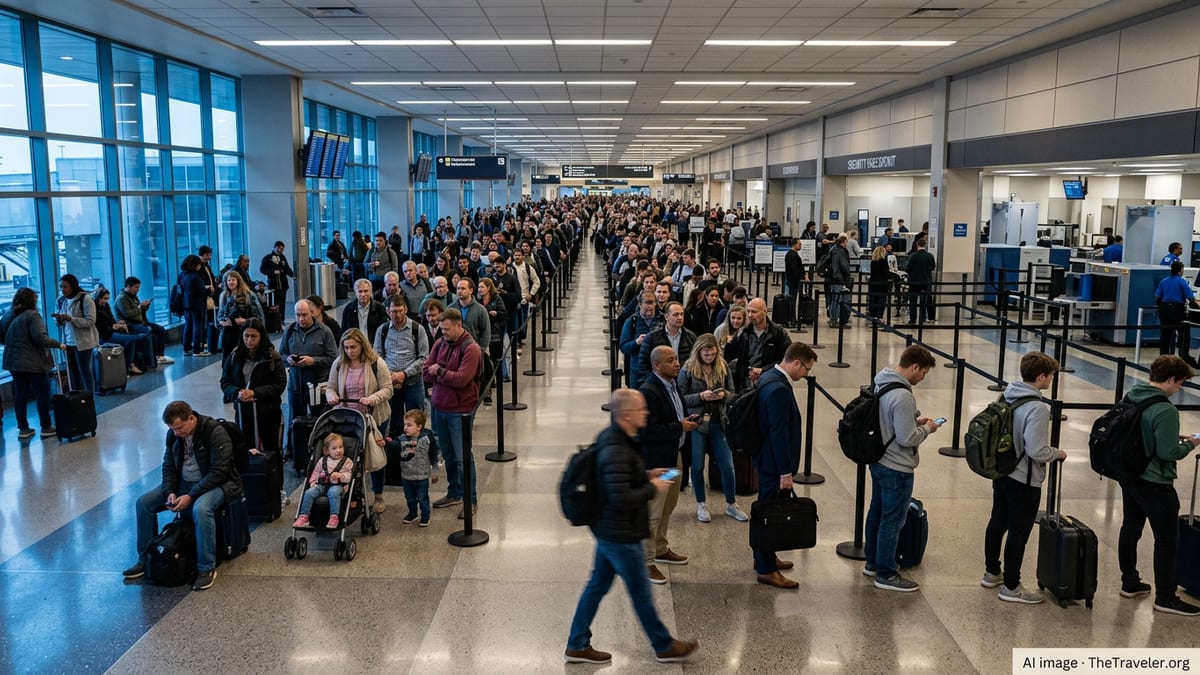
New “do not travel” warning targets Riyadh gateway
Updated advice on the Australian government’s Smartraveller website on 12 October 2026 raised the risk level for Saudi Arabia’s capital, specifically warning against travel to King Khalid International Airport. Publicly available information shows the overall advice for Saudi Arabia now sits at “reconsider your need to travel,” with a stricter “do not travel” designation applying to the Riyadh airport following recent attacks.
The change came after a barrage of missiles and drones, attributed in regional reporting to Yemen’s Iran‑aligned Houthi movement, struck Riyadh and other sites across the kingdom. Coverage from international news agencies indicates that an attack on or near the airport area killed at least a dozen people and injured more than 300, prompting widespread flight suspensions and diversions.
According to the updated Smartraveller guidance, Australians are being told not to travel to King Khalid International Airport at all, and to reconsider their need to travel through other Saudi airports. The advice underlines that military strikes and reprisal attacks are ongoing and that further incidents could occur with little or no warning.
Officials have also highlighted separate “do not travel” warnings for parts of southern Saudi Arabia and areas close to the border with Yemen, where projectiles and cross‑border attacks have been concentrated. Travellers are being reminded that Australian consular support can be limited or delayed if the security situation deteriorates further.
Flights suspended, routes diverted and plans upended
Reports from aviation trackers and regional media show that all commercial flights to and from Riyadh were temporarily suspended or diverted in the immediate aftermath of the latest strike. Some international services have since been rerouted via alternative Gulf hubs, while others remain cancelled or subject to last‑minute schedule changes.
The disruption comes at a sensitive time for long‑haul itineraries between Australia, Europe and Africa, which often rely on Middle Eastern transit points. Although major hubs such as Doha and Dubai have recently seen their risk levels downgraded to “exercise a high degree of caution,” Australia’s official crisis hub notes that Saudi Arabia remains in a higher‑risk category, with airspace disruptions still considered possible.
Publicly available coverage shows that airlines using Riyadh as a transfer point have introduced a mix of measures, ranging from temporary suspension of ticket sales on certain routes to free rebooking options for passengers wishing to avoid Saudi transit. However, there is no unified policy across carriers, and conditions depend heavily on individual fare rules.
Travel industry commentary cited in Australian and international media suggests that insurers are closely monitoring official advisories. In many cases, once a “do not travel” warning is in force for a specific location, standard leisure policies may not cover new bookings or may exclude claims arising from security incidents there, leaving some travellers exposed if they ignore government guidance.
What Smartraveller is telling Australian travellers
The Smartraveller advisory states that Australians should not travel to King Khalid International Airport and should instead contact their airline or travel provider to reroute or postpone journeys. The site stresses that anyone who decides to travel to Saudi Arabia despite the warning should not depart for the airport until flight details have been reconfirmed, due to the risk of sudden cancellations or airspace closures.
For the rest of Saudi Arabia, the advice is to reconsider the need to travel, with particular emphasis on avoiding the southern provinces and any area within roughly 30 kilometres of the border with Yemen. The guidance also notes that further strikes on airports and other infrastructure remain possible while regional tensions are elevated.
Australian government crisis information pages continue to warn that flights across the broader Middle East can be disrupted or rerouted at short notice. Travellers are urged to register their details, monitor official advisories frequently, and be prepared for itinerary changes, even if flying to or from countries that carry lower‑level alerts.
Public information from recent ministerial statements reiterates that Australians in higher‑risk countries should have contingency plans, access to additional funds in case of extended delays, and copies of essential documents stored separately, in case rapid evacuation from a particular area becomes necessary.
Impact on pilgrims and regional transit through Saudi Arabia
The warning over Riyadh’s main airport is particularly significant for Australians travelling to Saudi Arabia for religious purposes, including Hajj and Umrah. Health and travel advisories issued earlier this year anticipated large numbers of pilgrims heading to the kingdom in late May, and many of those journeys involve domestic connections through Riyadh.
While the latest travel advice does not prohibit entry to Saudi Arabia outright, it makes clear that transiting through Riyadh is now considered an unacceptable risk. Travellers planning pilgrimages are being directed, through public information channels, to speak with tour operators and airlines about alternative routings, such as flying directly into Jeddah or Medina where services are operating more normally.
Outside the pilgrim market, Saudi Arabia has been positioning itself as a growing aviation hub, with Jeddah and Riyadh marketed as alternatives to more established Gulf transit points. The recent attacks and the subsequent “do not travel” designation for Riyadh’s airport are likely to slow that push, at least in the short term, as both airlines and passengers weigh safety considerations against cost and convenience.
Regional reporting also notes knock‑on effects across the wider Middle East, as carriers rebalance capacity and pricing. Some fare classes on alternative routes have risen in price as demand shifts away from Saudi gateways, while in other cases airlines are promoting discounted seats in an effort to entice passengers back to the region despite the heightened security climate.
What Australians with existing bookings should do now
Australians who already hold tickets involving Riyadh are being advised, through public travel alerts and airline notices, to contact their carrier or travel agent as soon as possible. Many airlines have introduced short‑term waivers that allow one free date or route change away from Riyadh, although availability can be limited on popular alternatives.
Independent experts quoted in Australian media coverage recommend checking not only airline policies but also the fine print of travel insurance. In general, policies purchased before a known event or advisory update may offer some protection for trip disruption, while new policies taken out after a “do not travel” warning is issued are less likely to respond to claims tied to the same risk.
Travellers who cannot avoid travelling via Saudi Arabia are encouraged, according to advisory material, to minimise their time at any airport, follow local security instructions, and stay informed via airline updates. However, for King Khalid International Airport in Riyadh, the wording of the Australian advice is explicit: do not travel.
The situation remains fluid, and further adjustments to flight schedules and government advisories are possible. Australians planning trips that involve the Middle East are urged to keep checking official travel advice in the days leading up to departure and to build additional flexibility into their itineraries as regional tensions continue.