


More news on this day
Australian travellers are being urged to reconsider or cancel trips across parts of the Middle East as updated government advisories follow a deadly Houthi missile strike in Yemen that killed at least 53 people and wounded more than 200 at a government training camp.
Get the latest news straight to your inbox!
Deadly missile strike deepens Yemen conflict
Reports from international outlets describe a large-scale attack on October 19, 2026, when Iran-aligned Houthi forces launched ballistic missiles at a security training camp used by Yemeni government forces in the southern province of Shabwa. Local authorities cited in wire service coverage said at least 53 recruits were killed and around 200 others injured in one of the deadliest single incidents since the country’s civil war flared again in September.
Accounts in Reuters, the Associated Press, the Los Angeles Times and regional media indicate that the strike hit the Al Alam camp, where new government-aligned recruits were in the early phases of training. Images and descriptions from the scene depict collapsed buildings, mangled vehicles and frantic rescue efforts as emergency workers attempted to pull survivors from the rubble.
Analysts quoted in public reporting have noted that the attack underscores the Houthis’ ability to fire ballistic missiles deep into territory held by the internationally recognised government, despite years of airstrikes and sanctions. It also follows a recent Saudi airstrike that killed nine people in a Houthi-controlled area, illustrating how quickly the front lines in Yemen have become more active after a period of relative stalemate.
Open-source conflict trackers state that the October 19 strike is the largest single confirmed loss of life for government forces since renewed offensives began, and forms part of a wider campaign in which both sides have targeted positions near critical infrastructure and shipping lanes along the Red Sea and Gulf of Aden.
Australian ‘do not travel’ warnings expand across the region
Australia’s official Smartraveller service, run by the Department of Foreign Affairs and Trade (DFAT), has long designated Yemen as a Level 4 destination with a clear “Do not travel” warning due to armed conflict, widespread insecurity and the risk of kidnapping. The latest updates to the site emphasise that the security situation has deteriorated further, with frequent missile and drone attacks and rapidly shifting front lines.
In recent months, travel advisories have also hardened for several other Middle Eastern states as regional tensions intensified. A DFAT crisis-hub update on the broader Middle East conflict notes that Iran, Iraq, Lebanon, Palestine, Syria and Yemen are all at Level 4, while other countries, including Israel and some Gulf states, carry advice that strongly discourages non-essential travel or warns that conditions can change with little or no notice.
A separate media release from Australia’s foreign minister earlier in 2026 highlighted that more than 10,000 Australians had been assisted to leave the region during earlier phases of the crisis. That statement also referred to prevailing “Do not travel” advice for many destinations and urged Australians still in affected areas to closely monitor official advisories, have contingency plans and be prepared for sudden border closures or flight disruptions.
Recent domestic coverage in Australian outlets and online forums has pointed to particular concern about Saudi Arabia after a string of Houthi missile and drone attacks on airports and oil facilities. Posts citing Smartraveller alerts note that DFAT has raised the overall advice level for Saudi Arabia and, at times, has specifically warned against travel to or transit through major hubs such as Riyadh’s King Khalid International Airport following deadly strikes.
Heightened risk near key air routes and transit hubs
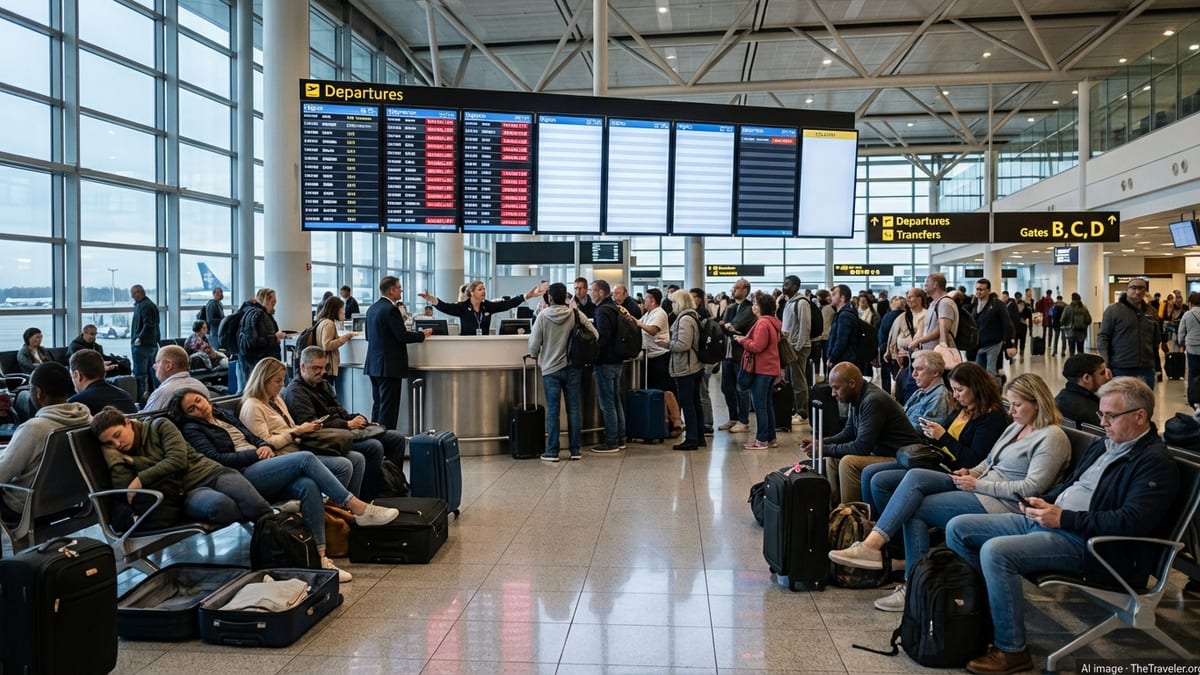
For many Australians, the most immediate impact of the escalating Yemen conflict is on transit through regional hubs that connect Australia to Europe, Africa and parts of Asia. Publicly available aviation and travel-industry reports show that carriers have already altered some routes to avoid airspace near active conflict zones, adding time and complexity to long-haul itineraries.
Australian broadcasters have highlighted that Level 4 advisories in nearby countries sit alongside a record of previous Houthi operations against airports and civilian infrastructure, including earlier attacks on Saudi airports and on the United Arab Emirates. Security analysts quoted in these reports argue that missile and drone capabilities demonstrated in Yemen could, at short notice, be directed toward high-profile transportation targets elsewhere in the region.
DFAT’s central travel-advice portal stresses that a “Do not travel” warning is not limited to tourism or business trips. The language makes clear that such a designation means Australians should not enter the country at all, and that those already there should leave as soon as it is safe to do so. In practice, this also affects common stopover routes, as insurance coverage can be voided when travellers transit through locations subject to the highest warning level.
Australian travel agents interviewed in local media say they have seen a rise in itinerary changes and cancellations as clients seek to avoid any routing that could take them through areas highlighted in recent alerts. Some airlines serving Australian cities have responded by adjusting schedules, while others continue to operate but advise passengers to check booking conditions carefully in case of sudden disruption.
Security implications for Red Sea shipping and global travel
The missile strike on the Shabwa training camp comes amid a broader pattern of Houthi activity that has unsettled international shipping in the Red Sea and Gulf of Aden. Public conflict databases and shipping-industry briefings show that the group has previously targeted commercial vessels and attempted to project control over waters near the Bab el Mandeb strait, a narrow chokepoint that carries a significant share of global maritime trade.
Defence statements from an international coalition that includes Australia, the United States and several European and Middle Eastern partners have described past operations aimed at degrading Houthi missile and drone capabilities used against shipping. These measures, including airstrikes on weapons storage sites and launch facilities, reflect ongoing concern that unchecked attacks in or near busy sea lanes would increase risks to crews and disrupt supply chains.
Travel-security specialists note that although most Australians visiting the Middle East will not travel near Yemen’s shoreline, any sustained pattern of attacks on ports, tankers or container ships could feed into higher aviation and cruise-insurance premiums, longer flight paths around affected zones and increased costs for imported goods. For travellers, the most visible effects would likely be higher ticket prices and reduced flexibility on popular routes between Australia and Europe.
Industry advisories suggest that ship operators, airlines and logistics companies are increasingly factoring the Yemen conflict into their risk assessments, alongside other regional flashpoints. This reinforces the importance for individual travellers of checking airline notices and government travel sites, rather than assuming long-established connections through the Gulf or Red Sea will operate as usual.
What Australian travellers should monitor now
For Australians with existing bookings that touch the Middle East, publicly available guidance recommends a series of practical steps. Travellers are encouraged to register their details with the Smartraveller service so they can receive email updates if the advice level changes for their destination or any transit point on their itinerary.
Travel-insurance policies are another key consideration. Consumer advocacy reports in Australia underline that many insurers will not cover travel to locations that carry a “Do not travel” warning, and may also exclude events linked to declared conflicts or acts of terrorism. Australians are advised to confirm coverage directly with their insurer, particularly where itineraries pass through countries with higher alert levels.
Airlines commonly offer waivers or rebooking options when major security incidents occur, especially if airports are closed or flights are diverted. Recent reporting on the response to airport attacks in Saudi Arabia indicates that carriers have, in some cases, rerouted flights or suspended services while investigations and security reviews are carried out. Australian travellers have been urged in this context to keep contact details current with airlines and to monitor flight-status updates in real time.
Above all, DFAT materials emphasise that security conditions in and around Yemen can change quickly and with little warning. The combination of renewed large-scale attacks such as the Shabwa missile strike, a volatile regional environment and the strategic importance of nearby air and sea routes means that Australians planning overseas trips in the coming months may need to build more flexibility into their plans and pay closer attention than usual to official advisories.