


More news on this day
Riyadh’s King Khalid International Airport has reopened after a weeklong closure triggered by October attacks, yet airlines across the Gulf are still cancelling and reshaping Dubai and wider Middle East flight schedules as regional disruptions persist.
Get the latest news straight to your inbox!
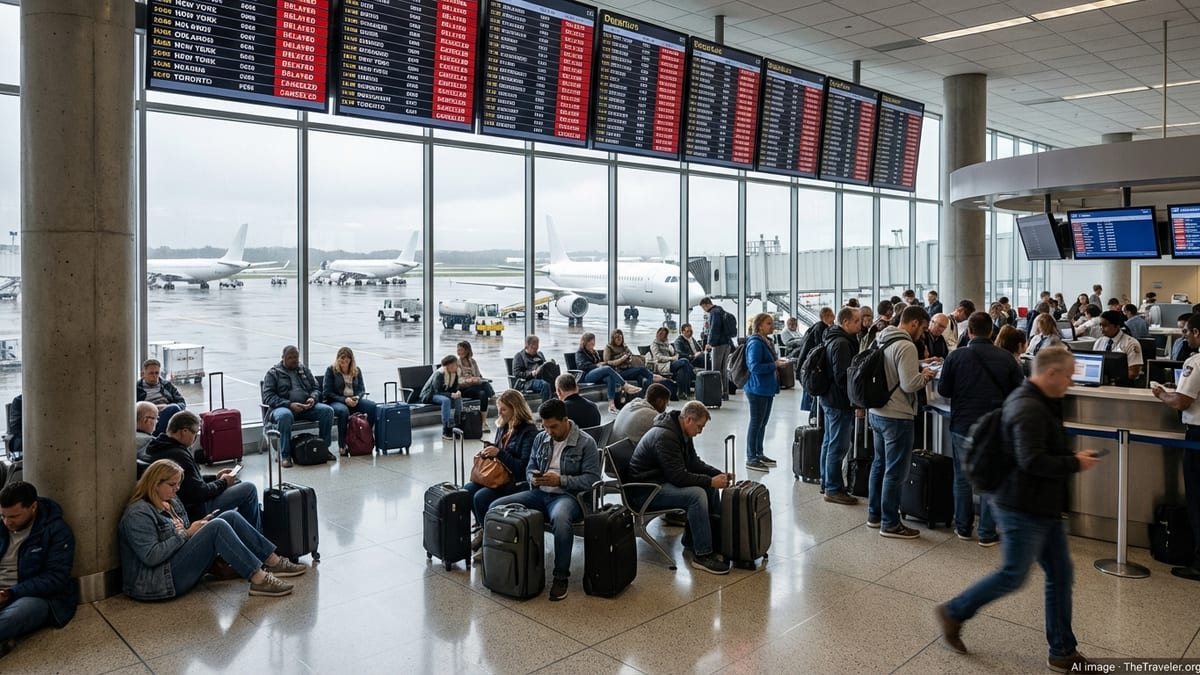
Riyadh returns to operations after October shutdown
Publicly available notices from Saudi Arabia’s General Authority of Civil Aviation show that Riyadh’s King Khalid International Airport was cleared to reopen around October 18, following a suspension of commercial traffic that began after strikes earlier in the month damaged terminal infrastructure and forced widespread evacuations.
The closure followed a series of attacks in early October that targeted airports in Riyadh, Dammam and other Saudi cities, prompting extended safety inspections and restrictions on both domestic and international movements. Open-source reporting indicates that departures and arrivals at Riyadh were halted or severely curtailed for several days while authorities carried out damage assessments and security checks.
Operations have now resumed, but traffic patterns remain far from normal. Flight-tracking data and airline schedules show gaps across several days on key routes into Riyadh, including services from Dubai, Abu Dhabi and European hubs, as carriers adjust timetables and aircraft rotations to reflect ongoing risk assessments.
Aviation analytics cited in regional coverage indicate that Saudi airports saw more than half of scheduled departures disrupted on at least one peak day in mid October, underlining how severe the impact has been on the kingdom’s connectivity to the wider Middle East and beyond.
Emirates, Etihad and flydubai extend Saudi cancellations
Major Gulf carriers that use Dubai and Abu Dhabi as global hubs continue to pare back services into Saudi Arabia, even with Riyadh airport technically open. According to recent network updates and media reports, Etihad Airways has cancelled all flights between Abu Dhabi and Riyadh, Jeddah and Dammam through at least October 24, citing regional disruption and operational considerations on Saudi routes.
Emirates has also made sustained cuts on Saudi services from Dubai. Flight listings for October 19 and 20 show cancellations of Jeddah bound flights EK801, EK803 and EK805, with normal operations on those rotations not expected to resume until October 21. Published schedules also indicate that Dubai to Riyadh flights EK815, EK817 and EK819 are cancelled on selected days, with EK817 scheduled to restart on October 20 and the remaining two services expected back on October 21.
Low cost carrier flydubai has taken a broader approach, maintaining a suspension of flights to Riyadh, Dammam and Abha through at least October 24. Earlier statements reported in UAE based outlets noted that flydubai had already halted its Riyadh operations up to October 14; those suspensions have since been extended as the carrier continues to monitor developments.
Travel industry reports add that Air Arabia has removed several Saudi flights from its Sharjah schedule on certain dates, and that SriLankan Airlines has extended the suspension of its Colombo links to both Riyadh and Dammam until October 24. These decisions underline that the operational impact of the attacks extends beyond Gulf based airlines to foreign carriers that rely on Saudi cities as regional destinations.
Dubai hub feels ripple effects across wider Middle East
While Dubai International Airport remains fully open, cancellations on Saudi routes are increasingly visible in daily operations. A snapshot of flight status data for October 19 indicates at least 15 cancelled movements at Dubai International, including the evening Emirates departure EK815 to Riyadh and EK823 to Dammam, as well as multiple Saudi bound services operated by flynas.
At the same time, earlier route suspensions unrelated to Riyadh’s temporary closure continue to shape connectivity across the region. British Airways, for example, maintains a suspension of flights to Dubai, Bahrain, Amman and Tel Aviv until the end of October, and has permanently withdrawn its Jeddah service while reducing frequencies on Doha and Riyadh routes from London. Singapore Airlines has delayed its planned resumption of Dubai flights until October 24, pointing to a fluid regional backdrop.
European carriers are also cautious about Saudi operations. Industry summaries show that several airlines, including KLM and others, have pushed back the return of their Riyadh and Dammam services until at least late October, aligning plans with European aviation safety bulletins that widened risk zones over parts of Saudi airspace.
The combination of these cuts limits options for travellers who usually connect through Dubai to reach Saudi Arabia or onward cities in the Middle East. Instead of a dense web of daily flights, many passengers now face thinner schedules, last minute aircraft changes and longer journey times via alternative hubs such as Doha, Istanbul or European gateways that are still operating selected Middle East routes.
International airlines weigh Saudi and Gulf exposure
Outside the Gulf, long haul carriers are rebalancing their networks in response to both security concerns and shifting demand. Travel industry trackers note that several Asian and European airlines have extended suspensions or reduced frequency on flights to Dubai, Riyadh, Doha and other regional cities into late October and, in some cases, into the start of the winter schedule.
One France based business travel publication recently compiled an updated list of suspended Middle East services for October, highlighting that some European flag carriers do not expect to resume Riyadh flights until the end of the month at the earliest. The same overview referenced partial suspensions on Doha routes for at least one Iberian airline and continuing restrictions on services to Tel Aviv and certain Gulf destinations.
Commentary from aviation specialists also draws attention to the knock on effects on connecting traffic. An analysis published by the International Air Transport Association earlier this year showed that four out of six major intercontinental route groups depend heavily on Middle East hubs for one stop itineraries, meaning that any prolonged disruption in cities such as Dubai or Riyadh can quickly reduce global connectivity, particularly for Asia Pacific markets that link via the Gulf.
In this context, each new schedule adjustment in Saudi Arabia is being watched closely by network planners, as airlines weigh the benefits of serving high demand Gulf markets against the operational and insurance complexities of flying into airspace subject to evolving security advisories.
What travellers flying via Dubai and Riyadh should expect
For passengers, the immediate effect of Riyadh’s reopening is a gradual restoration of airport access rather than an instant return to pre October normality. With Etihad, flydubai and several other carriers keeping Saudi routes limited until at least October 24, and with Emirates still cancelling specific rotations between Dubai and Saudi cities on select days, travellers can expect irregular schedules and late changes in the short term.
Public flight status boards and airline booking engines show that some Riyadh and Dammam flights are operating from Dubai and Abu Dhabi, but often at reduced frequencies or with altered departure times. On certain days, entire sequences of services remain cancelled, particularly overnight and early morning rotations that once offered multiple daily choices.
Travel advisories from airlines and regional media coverage consistently urge passengers booked on Middle East itineraries to check live flight status before leaving for the airport, use mobile apps and email notifications for updates, and consider allowing extra connection time in case of last minute disruptions. For journeys involving separate tickets or self made connections, the risk of missed onward flights is higher when departure banks are thinned out by cancellations.
For those whose flights are cancelled, consumer regulations such as Europe’s EU261 and individual airline policies typically provide for rebooking on the next available service or refunds. However, industry commentators note that fixed cash compensation may not apply in cases where cancellations are linked to security incidents or airspace restrictions, making it important for travellers to review the specific conditions attached to their tickets and any travel insurance before departure.