


More news on this day
Days after violent riots and student protests swept parts of France, including central Paris, travelers are weighing whether to go ahead with autumn trips or reroute elsewhere in Europe.
Get the latest news straight to your inbox!
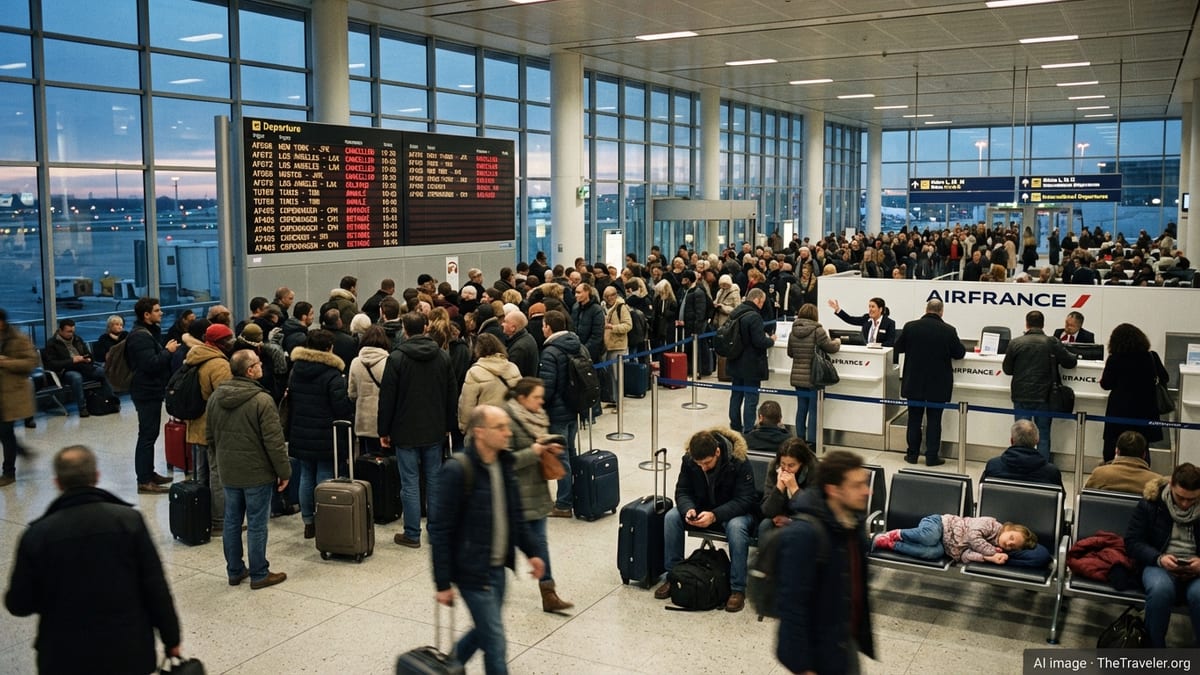
What Has Been Happening in Paris and Across France
On the weekend of October 17, 2026, large cost of living demonstrations and student-led protests took place across France, with some gatherings in Paris turning into some of the most serious rioting seen in recent years. Published coverage describes masked groups breaking away from otherwise peaceful marches to set fires, attack city halls and public buildings, and loot shops in several cities, including the capital.
Reports from international news agencies on October 19 indicate that Paris police introduced overnight curfews in two areas of the city in an effort to prevent further disorder. These measures follow a night in which vehicles were burned and storefronts damaged in several neighborhoods, even as cafés elsewhere in central Paris remained open and many residents continued their evening routines.
In the days since, French and international media describe a mixed picture on the ground. Most neighborhoods have returned to normal daily life, but certain areas affected by rioting still show burned cars, broken windows and a heavy police presence. Travelers arriving this week are likely to encounter both images of damage and scenes of ordinary city life side by side.
How Official Travel Advisories Characterize the Risk
As of October 19, 2026, the United States Department of State lists France at Level 2 on its four tier scale, advising travelers to exercise increased caution due to risks related to unrest and terrorism. The underlying advisory for France has not been raised to the highest levels used for war zones or widespread breakdown of public order, but travelers are urged to remain alert to the possibility of demonstrations and sudden changes in the security environment.
Other national foreign ministries provide similar guidance, emphasizing that France remains a major tourism destination but highlighting periodic protests, strikes and the possibility of clashes with police. Publicly available information generally notes that demonstrations are usually announced in advance and concentrate in specific areas, such as major squares and government districts, but that small groups can sometimes move unpredictably.
In addition to unrest, travelers are reminded that France operates a national security posture against terrorism, with visible patrols at railway stations, airports and near key landmarks. This posture, known domestically under the Vigipirate plan, has been adjusted several times in 2026 and can affect bag checks, access points and waiting times at attractions in Paris.
Conditions Tourists Are Reporting on the Ground
First hand accounts shared in recent days by visitors and residents paint a more granular picture of what travelers might encounter. Many describe central tourist areas such as parts of the Left Bank, the Latin Quarter and the Eiffel Tower district as calm for most of the day, even when large protests are taking place elsewhere in the city.
Travel focused publications and blogs that have updated their guidance since the October 17 riots generally stress that the unrest has been highly localized in both time and place. Some note that tourists were able to continue sightseeing a few streets away from clashes, while metro trains continued to run beneath streets affected by tear gas, although individual stations above ground were temporarily closed on police orders.
At the same time, travelers have reported unexpected disruptions, including last minute closures of certain metro stations, tram stops and museum entrances near protest routes. On October 19, for example, French media coverage highlighted that student protesters blocked access to the Louvre, forcing the museum to close for the day and leaving visitors who held timed tickets unable to enter.
Visitors who arrived in Paris just before or after the worst of the violence commonly report feeling safe in their hotels and while walking in most neighborhoods, but several mention feeling unsettled by images of burned vehicles, shuttered shops and heavily protected police lines after dark in specific districts.
Practical Advice for Travelers With Upcoming Trips
For those with imminent travel plans, the overall message from most official and tourism focused sources is that trips to Paris are still feasible, but require more preparation and flexibility than usual. Travelers are encouraged to monitor government travel advisories for France in the days before departure and to check local news on the morning of travel for any announced demonstrations or new curfews.
Within the city, the safest strategy is to avoid large gatherings, even if they initially appear peaceful, and to leave any area where groups of protesters or lines of riot police begin to form. Key protest locations in recent days have included central boulevards, squares around city hall buildings and certain university areas, so travelers may wish to build itineraries that can shift away from these spots if needed.
Publicly available information from Paris regional tourism bodies emphasizes that standard urban safety precautions still apply, including guarding against pickpocketing on the metro and in crowds. Travelers are advised to keep passports and valuables secured, use hotel safes where available, and carry only a copy of identification when out in busy areas.
Because transport strikes sometimes accompany or follow periods of unrest in France, travelers should be prepared for possible short notice changes to train services or airport connections. It is advisable to download the official applications for the Paris public transport operator and national rail operator, and to allow extra time when traveling to and from airports or between cities.
Should You Cancel or Reroute Your Paris Trip?
Whether to proceed with a Paris visit in the current climate depends on each traveler’s risk tolerance, flexibility and reasons for traveling. The available data suggests that, despite images of serious rioting, the vast majority of visitors have not been directly harmed and that hotels, restaurants and most attractions remain open outside of specific protest related closures.
Travelers who are uncomfortable with a visible security presence, occasional sounds of sirens and the possibility of metro or museum disruptions may prefer to postpone or redirect their trip to another European destination. Families with very young children or travelers with mobility issues, who might find last minute route changes particularly stressful, may also wish to consider a later date when the situation is calmer.
For those who decide to go ahead, flexible bookings and comprehensive travel insurance that covers civil unrest related disruptions can provide additional reassurance. Selecting accommodation slightly away from the most protest prone squares, staying informed each day, and maintaining a low profile around any gatherings can significantly reduce exposure to risk.
Overall, the current guidance from public advisories and on the ground reports is that Paris remains accessible to international visitors, but that travelers in October 2026 should stay informed, expect visible reminders of the recent unrest and be ready to adapt their plans as the situation develops.