


More news on this day
Travelers passing through Muscat’s Seeb International Airport on July 17 experienced widespread disruption as 54 delayed services and six cancelled flights rippled across routes linking Oman with Saudi Arabia, India and several other regional and long haul destinations.
Get the latest news straight to your inbox!
Operational Strain At Oman’s Busiest Gateway
Publicly available flight tracking data for July 17 indicates an unusually high concentration of delayed departures and arrivals at Seeb International Airport, also known as Muscat International Airport, compared with typical midweek activity. The disruptions affected a mix of domestic, regional and intercontinental services, including links to key markets such as Saudi Arabia and India.
Oman Air and SalamAir, the principal carriers based at Muscat, accounted for a significant share of the affected operations. Several Oman Air services to and from European hubs, including Rome and Zurich, were listed as cancelled, while multiple SalamAir rotations on core regional sectors showed extended ground times or last minute schedule changes.
The pattern of delays, which in some cases extended beyond two hours, suggests a combination of factors rather than a single isolated incident. Aviation analytics platforms show knock on effects on later departures as aircraft and crews cycled through the day’s rotations, with minor initial delays compounding as the schedule progressed.
Data from national statistical bulletins for the first half of 2026 shows Muscat handling tens of thousands of monthly flight movements and more than a million passengers over recent months. In that context, a disruption involving more than 50 delayed flights in a single day represents a notable operational shock at an airport positioned as a regional connector.
Routes To Saudi Arabia, India And Regional Hubs Hit
The disruptions were felt most acutely on high demand regional corridors. Flights linking Muscat with major cities in Saudi Arabia and India, already operating at strong load factors in the summer travel period, were among those delayed or cancelled. Connections to gateway cities such as Riyadh, Jeddah, Chennai and other Indian metros experienced schedule changes that left passengers facing missed onward links and extended waits.
Travel platforms tracking day of operation performance recorded irregularities on services to Indian destinations that normally form part of tightly timed itineraries to Europe and the Gulf. Even delays of 30 to 45 minutes on these flights can create missed connections at Muscat, forcing passengers to be rebooked on later departures or, in some cases, pushed onto next day services.
Services within Oman, particularly on the busy Muscat to Salalah route, were also affected. Several departures either left behind schedule or were subject to rolling time revisions, adding pressure at both ends of the domestic corridor during a period when leisure and family travel demand to the southern city is seasonally strong.
Regional links to neighboring Gulf hubs, including services to the United Arab Emirates, were reported operating with varying degrees of delay. While many of these flights ultimately departed, the schedule instability contributed to a day of uncertainty for travelers relying on Muscat as a transfer point between South Asia, the Gulf and Europe.
Passenger Experience: Long Queues And Uncertain Timelines
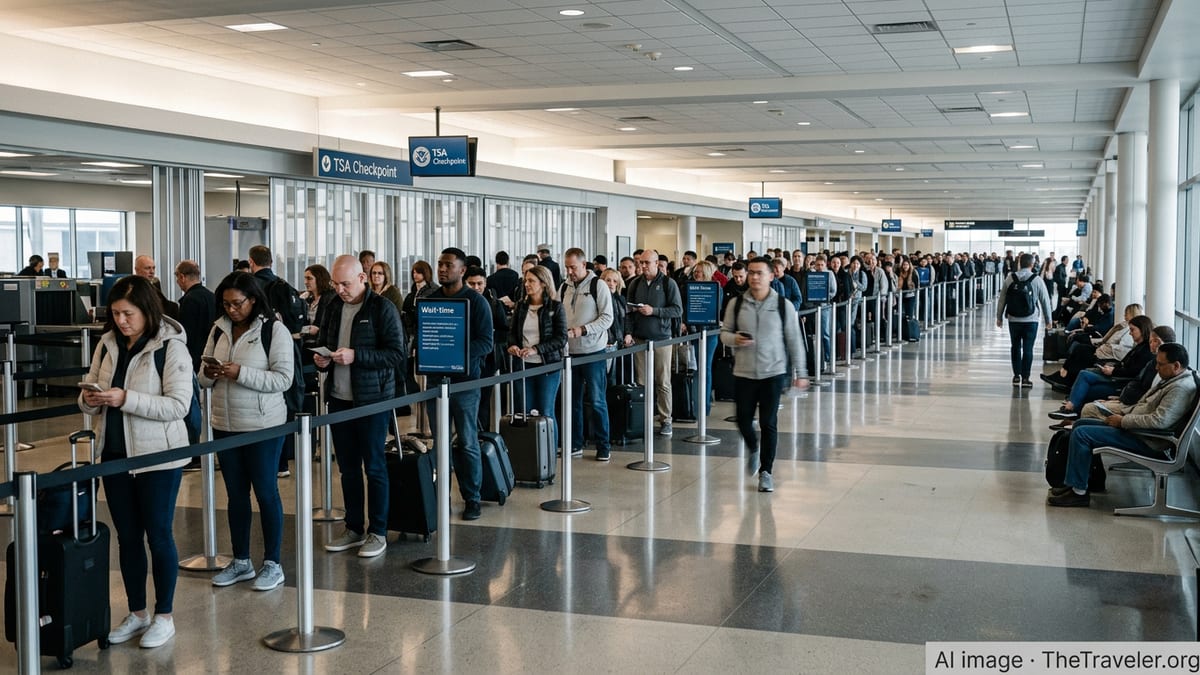
Accounts shared on social media and regional news coverage described crowded departure halls, extended check in queues and passengers attempting to rebook disrupted itineraries at airline counters. With six outright cancellations and dozens of delays, airport facilities were reported to be under visible strain as travelers sought information and alternative arrangements.
Some passengers on affected services originating in India and elsewhere in the region reported being held on aircraft while technical or operational issues were assessed, only to face further waits as new departure slots were allocated. Others described being informed of cancellations at the airport, prompting last minute changes to vacation plans, business trips and family visits.
Travel advisories circulating among frequent flyers in the region highlighted the risk of tight connections through Muscat during the disruption, with some advising additional buffer time or, where possible, selecting itineraries with longer layovers. For those already en route, however, options were limited, particularly where visas or ticket conditions restricted overnight stays outside the airport.
Despite the operational challenges, core airport services, including security screening and baggage handling, were reported to be functioning, albeit under heavy load. For many travelers, the main difficulty lay in the uncertainty around revised departure times and the potential knock on effect on connecting flights beyond Oman.
Context: A Busy Summer And A Sensitive Regional Backdrop
The spike in delays and cancellations at Seeb International Airport comes during a period of elevated summer travel demand and a sensitive regional backdrop for airspace management. Published advisories earlier in 2026 noted intermittent adjustments to flight paths across parts of the Middle East, which have required airlines to build greater scheduling flexibility into their operations.
Muscat, marketed as a stable alternative hub within the region, has generally maintained regular connectivity even as some neighboring airports have experienced more extensive disruption. Statistical releases for early 2026 show sustained growth in passenger numbers and robust frequencies on routes linking Oman with Gulf partners, the Indian subcontinent and European capitals.
Industry observers note that such growth places pressure on airline fleets and airport infrastructure, especially during peak travel weeks. On days when technical issues, weather variations or air traffic flow restrictions converge, even a well managed schedule can experience pronounced ripple effects, as appeared to be the case during the latest episode of disruption.
While the day’s events at Seeb International Airport created acute challenges for passengers, the broader data for the year to date indicates that the hub continues to perform as one of the more resilient gateways in the wider Gulf and Indian Ocean region. Travelers planning upcoming trips through Muscat are being advised, in publicly available guidance, to monitor real time flight status closely and to allow extra time for connections when feasible.