


More news on this day
Domestic tourism across the United Kingdom is gaining momentum in 2026, as rising costs, geopolitical tensions and persistent transport disruption abroad prompt many travellers to trade overseas holidays for breaks closer to home.
Get the latest news straight to your inbox!
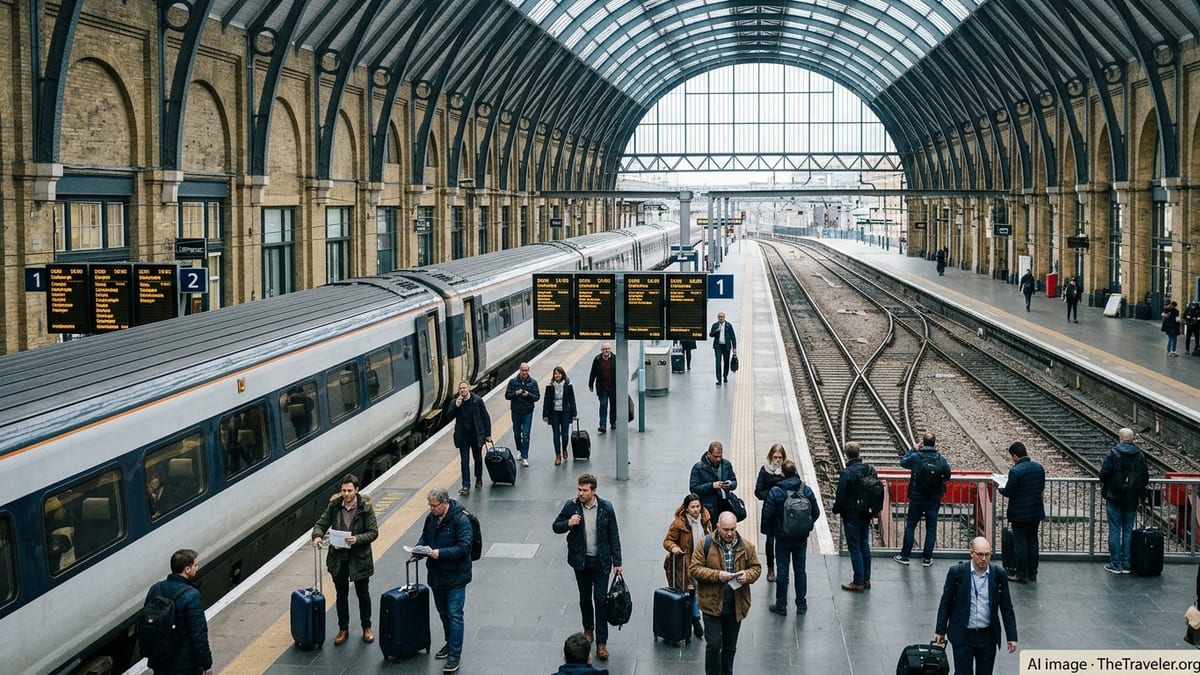
New Data Shows Majority Planning UK Breaks
Recent consumer research indicates that more than half of UK adults are planning at least one domestic holiday in the year ahead, underscoring a clear shift toward home‑grown trips. ABTA’s latest Holiday Habits report, based on a nationally representative survey of UK adults carried out in 2024, found that around 53 percent of respondents intend to take a break within the UK in the following 12 months, compared with a smaller share who expect to travel abroad.
The findings suggest that the domestic market is not simply a fallback when foreign travel is restricted, but an increasingly deliberate choice. While outbound travel has recovered strongly since the pandemic, industry analysis presented by ABTA and other travel bodies shows that many households are now blending one overseas trip with one or more UK breaks, lifting the total number of domestic stays even as international travel volumes remain high.
Official statistics from the Office for National Statistics show that UK residents made about 94.6 million visits abroad in 2024, still below the number of domestic overnight trips taken within Great Britain, which the House of Commons Library notes ran into the hundreds of millions when holidays and tourism day visits are combined. This balance points to a travel landscape where staying within the UK continues to dominate in volume terms, even as foreign holidays retain their appeal.
VisitBritain and VisitEngland’s most recent reporting describes a domestic tourism market where overall trip numbers softened slightly in 2024 but spending held up, suggesting that travellers are prioritising fewer, better quality breaks at home. Early indicators from travel operators and booking platforms for 2025 and 2026 point to renewed growth in UK stays, particularly over peak school holiday periods.
Cost of Living Pushes Travellers Closer to Home
The ongoing cost of living squeeze remains one of the strongest drivers behind the domestic travel boom. Publicly available research from consumer and industry groups shows that households continue to face higher airfares, accommodation costs and travel insurance premiums for trips abroad, at the same time as everyday bills and mortgage payments remain elevated.
For many families, choosing a UK holiday means lower up‑front costs and more control over spending. Without the need for long‑haul flights or complex airport transfers, travellers can allocate more of their budget to accommodation upgrades, dining or local experiences. Industry briefings from VisitEngland highlight that, even where overall trip numbers have eased, average spend per night has been resilient, reflecting a willingness to spend locally when international travel feels out of reach.
Travel trade analysis also points to the impact of currency movements. A weaker pound against major currencies has made popular eurozone and long‑haul destinations feel more expensive in recent years, nudging price‑sensitive travellers toward options that are denominated in sterling. Research commissioned by card networks and banks for 2024 spending patterns found a notable uplift in domestic “experience economy” spending around bank holidays, including on attractions, dining and short breaks.
At the same time, flexible working has enabled some travellers to stretch domestic breaks without the added cost of peak‑time flights. Holiday park operators and cottage rental firms report growing interest in four‑ and five‑night “work from anywhere” stays, which blend remote working with off‑peak leisure, helping travellers to avoid the most expensive travel windows.
Geopolitical Tensions and Travel Disruption Shape Choices
Beyond household budgets, a series of geopolitical shocks and transport disruptions are also influencing where Britons choose to holiday. According to recent broadcast and newspaper coverage, the conflict involving Iran and wider instability across parts of the Middle East have prompted airlines to reroute or cancel services, adding uncertainty and potential delays for passengers heading to popular winter‑sun destinations.
Reports from UK news outlets in late May 2026 highlighted a fresh wave of interest in staycations as some travellers sought to avoid the risk of airport disruption and rapidly changing travel advisories. Package holiday companies and online travel agents have publicly reported spikes in searches for UK coastal and countryside destinations during periods of heightened overseas tension, as well as brisk demand for flexible, short‑notice bookings.
Airline and airport operational strains, including summer staffing pressures and air traffic control issues, are another factor. Although major hubs have invested in resilience since the pandemic, several peak travel periods in recent years have been marked by queues and occasional cancellations. Consumer commentary captured in surveys and media coverage suggests that some travellers now view rail‑based or self‑drive UK holidays as a stress‑reducing alternative.
While outbound travel remains a cornerstone of the UK’s holiday culture, the combined effect of geopolitical risk, fluctuating regulations and concerns about potential disruption appears to be nudging more people toward destinations they perceive as predictable and easier to reach. That sentiment benefits domestic destinations, particularly locations within a few hours’ travel of major cities.
Coastal Towns, National Parks and Holiday Parks See Gains
The domestic boom is being felt most strongly in traditional seaside resorts, rural retreats and family‑focused holiday parks. Industry updates from large park operators describe strong bookings for the 2026 summer season, with some coastal sites in England and Wales reporting limited availability for school holiday weeks as early as spring.
National park authorities and regional tourism boards in areas such as the Lake District, the Yorkshire Dales and the Scottish Highlands have reported steady or rising visitor numbers compared with pre‑pandemic levels, supported by demand for hiking, wellness breaks and nature‑based experiences. These destinations benefit from the perception of offering both escapism and value, with visitors able to tailor trips to a range of budgets.
Urban centres outside London are also capitalising on the trend. Cities including Manchester, Glasgow, Cardiff and Belfast are promoting cultural festivals, music events and food scenes to attract domestic weekender traffic. Parliamentary research on tourism notes that domestic trips are more evenly spread across the UK than inbound tourism, meaning that increased home‑grown travel can support regional economies beyond the capital.
However, the concentration of demand in a relatively short peak season continues to pose challenges. Local authorities and tourism bodies have raised concerns about overcrowding in some beauty spots, as well as pressure on housing markets from short‑term lets. These issues are prompting renewed discussion about how to manage domestic tourism growth while protecting community wellbeing and the environment.
Sustainability and Climate Concerns Reinforce the Trend
Environmental awareness is another factor underpinning the preference for holidays at home. Surveys conducted for ABTA’s recent reports have found that a growing share of UK travellers say environmental impact influences their holiday decisions, even if price and convenience still dominate.
Domestic trips are often seen as a lower‑carbon option, particularly when travellers choose rail or coach over flying. With southern Europe experiencing increasingly frequent heatwaves and wildfires in recent summers, climate‑related concerns are also shaping perceptions of what constitutes a comfortable and safe holiday. Media coverage of extreme temperatures and smoke in popular Mediterranean resorts has encouraged some would‑be visitors to consider cooler UK destinations instead.
These shifts are feeding into product development across the domestic sector. Tour operators and accommodation providers are promoting itineraries built around walking, cycling, wildlife watching and local food, while highlighting measures such as renewable energy use and reduced single‑use plastics. Regional tourism campaigns are placing greater emphasis on travelling in shoulder seasons, encouraging visitors to spread trips into spring and autumn to ease pressure on peak summer months.
Analysts caution that the domestic boom could moderate if geopolitical risks recede and real incomes recover, making overseas travel feel affordable and straightforward again. For now, however, the convergence of financial, environmental and practical considerations is giving UK destinations a notable advantage, as millions of Britons prepare to spend their holidays closer to home.