


More news on this day
Air travel across Canada faced fresh disruption on July 11 as tracking data showed at least 66 flight cancellations and more than 260 delays affecting routes through Calgary, Toronto, Vancouver, St. John’s and other cities, with services on Air Canada, its regional partner Jazz and Pacific Coastal Airlines among those impacted.
Get the latest news straight to your inbox!
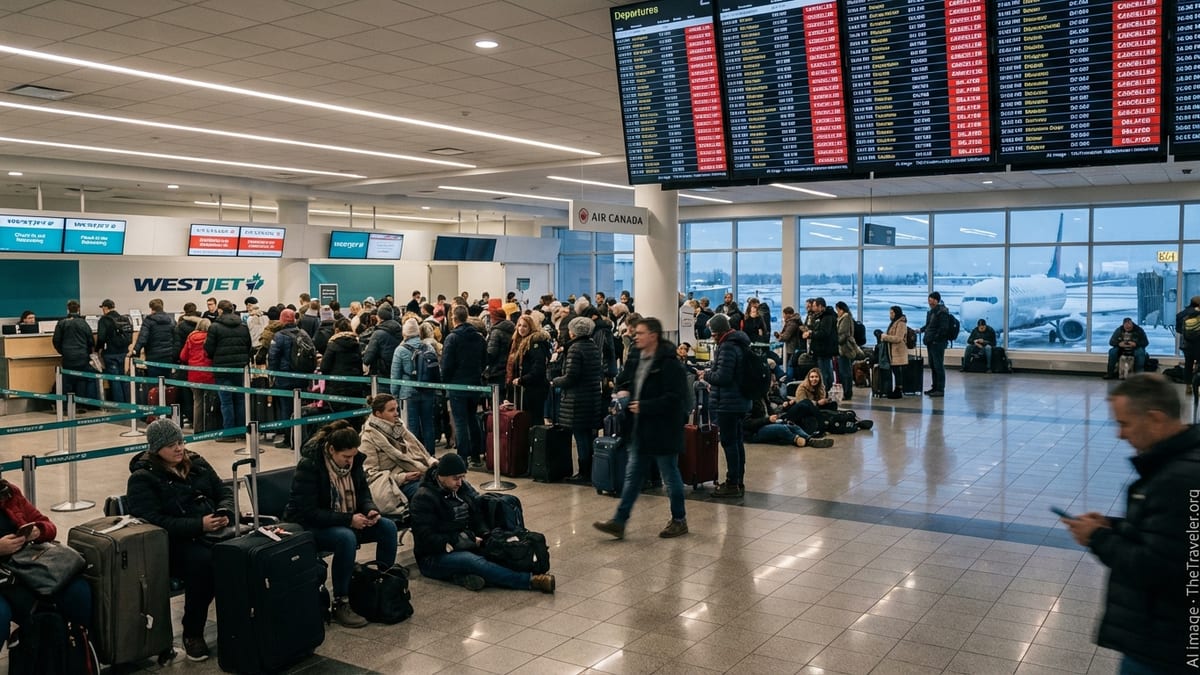
Major Hubs See Knock-On Effects Across the Network
The latest wave of disruption has been felt most acutely at Canada’s largest hubs, where high volumes of traffic mean that a cancellation or lengthy delay on one route can quickly ripple through the system. Toronto Pearson and Vancouver International in particular handle large shares of Air Canada’s domestic and international network, while Calgary serves as an important western hub and St. John’s links Atlantic Canada to the rest of the country.
Publicly available flight-tracking information shows cancellations and delays clustered around busy trunk routes between Calgary, Toronto and Vancouver, as well as connections further east to airports in Atlantic Canada, including St. John’s. While many services continued to operate, the cumulative impact of dozens of disrupted flights translated into longer lines at check in, congested security checkpoints and crowded departure lounges.
Regional operations, including flights marketed by Air Canada but operated by Jazz under the Air Canada Express brand, appeared prominently in the disruption figures. Pacific Coastal Airlines, which feeds traffic into larger hubs in western Canada, also recorded cancellations and delays, illustrating how pressure on mainline carriers can spill into the regional network and vice versa.
The mix of cancellations and delays reflects how airlines sometimes adjust schedules in advance when they expect operational challenges. Preemptive cancellations can reduce the risk of aircraft and crew becoming out of position, but they also leave travelers with fewer same-day rebooking options when demand is high.
Travelers Confront Long Waits, Missed Connections and Rebookings
Passenger accounts shared across social media and travel forums in recent months point to a familiar pattern when large numbers of Canadian flights are disrupted: crowded customer-service desks, long wait times on phone lines and limited availability of alternative flights, particularly on popular routes such as Calgary to Toronto and Vancouver to Toronto.
When a single departure is cancelled on a busy domestic corridor, travelers are often shifted onto later flights, which can then reach capacity quickly. As subsequent services fill up, later cancellations or delays cascade through the day, leaving some passengers facing overnight stays or rebookings several days out. Those connecting through hubs like Toronto or Vancouver to regional destinations, including smaller airports in Atlantic Canada, are especially vulnerable if onward flights operate only once or twice daily.
In the current episode, the 66 cancellations and 265 delays reported across Canada translate into thousands of affected passengers. For some, the disruption will mean arriving hours behind schedule; for others, it can mean missed events, added accommodation costs or the need to rearrange onward travel by rail, bus or car rental. Travel forums in recent weeks have reflected growing frustration among frequent fliers who say repeated schedule changes have made it harder to rely on tight connections or short business trips.
Consumer advocates have noted that Canada’s passenger protection rules differentiate between disruptions within an airline’s control and those attributed to factors like weather or broader operational issues. In practice, travelers often report receiving brief explanations for cancellations and are left to interpret whether they may be eligible for compensation, vouchers or meal and hotel support depending on the circumstances.
Operational Pressures Behind the Disruptions
Published coverage of the Canadian aviation sector in 2025 and 2026 points to a confluence of operational pressures that can contribute to days with elevated cancellation and delay counts. These include bouts of severe weather, staffing constraints, maintenance requirements and ongoing efforts by airlines to reshape networks in response to high fuel prices and shifting demand.
Air Canada has already been scaling back or adjusting some domestic and cross border services this year, particularly on routes considered more marginal or highly seasonal. Network changes have affected service levels at major hubs such as Toronto and Vancouver, and at smaller regional airports that depend heavily on a limited number of daily departures. As airlines fine tune schedules, there can be periods in which capacity is tight and disruptions are felt more sharply by passengers.
Regional partners such as Jazz and independent carriers like Pacific Coastal play a key role in connecting remote communities and smaller cities to the national network. When these operators experience delays, it can affect passengers heading onward to mainline flights operated by larger jets. Conversely, a disruption on a long haul or transcontinental service can leave regional aircraft and crews misaligned, leading to knock on schedule adjustments on shorter routes.
Aviation analysts note that Canadian carriers, like airlines globally, face a delicate balance between running lean operations and preserving enough buffer in schedules, staffing and spare aircraft to absorb irregular events. On days when weather, air traffic control constraints or technical issues coincide, that balance can tip quickly, leading to clusters of cancellations such as those recorded on July 11.
What Passengers Can Do When Flights Are Affected
When faced with widespread disruptions, travelers in Canada are generally advised by consumer organizations and travel experts to monitor their flight status frequently and to make use of airline apps or direct status tools before heading to the airport. Same day schedule shifts are increasingly communicated digitally, and passengers who spot an early cancellation sometimes have a better chance of securing an alternative departure before remaining seats are taken.
Publicly available guidance from airlines indicates that customers whose flights are cancelled or significantly delayed may be eligible for rebooking at no extra cost, and in some cases for meal vouchers or hotel accommodation. Policies can vary depending on the cause of the disruption and the classification of the airline as large or small under federal regulations, so travelers are often encouraged to keep boarding passes, receipts and written confirmations of any changes.
For complex itineraries involving multiple connections, travel specialists often recommend building in longer layovers through major hubs during periods of heightened disruption, especially in winter or during peak summer travel. Allowing extra time between flights in Toronto, Calgary or Vancouver can provide additional options if an earlier leg runs late or is cancelled and may reduce the risk of checked baggage missing onward connections.
In the wake of recurring disruption days, passenger groups have renewed calls for clearer, more consistent communication around the reasons for cancellations and the remedies available. For now, travelers confronting the latest wave of flight changes across Canada are left relying on a combination of airline notifications, government regulations and their own contingency planning to reach their destinations.
Implications for Canada’s Summer Travel Season
The latest cancellations and delays land at a busy moment for Canadian aviation, as the summer travel season continues to build. Domestic leisure demand has remained robust, with many travelers booking trips to major cities like Calgary, Vancouver and Toronto, as well as coastal and Atlantic destinations including St. John’s.
Repeated disruption events pose a risk to traveler confidence at a time when airlines are seeking to rebuild margins after years of volatility. Industry observers have warned that if large scale cancellation days become more frequent, some passengers may opt for alternative modes of transport on shorter routes or may decide to consolidate trips rather than fly multiple times per year.
At the same time, capacity constraints and high load factors across many Canadian routes leave airlines with limited flexibility when irregular operations occur. With aircraft and crews already heavily utilized, recovering from a day that includes 66 cancellations and hundreds of delays can take several days, particularly if aircraft and staff end up out of position across the network.
How carriers manage recovery in the days following the latest disruptions will be closely watched by travelers and industry analysts alike. Their ability to restore schedules, minimize further cascading delays and provide clear information to passengers will help determine whether this episode becomes a short lived setback or another flashpoint in a challenging period for Canadian air travel.