


More news on this day
Malaysia Airlines has further reduced services to Shanghai as Typhoon Bavi intensifies in the East China Sea, adding to a growing wave of flight cancellations and schedule changes across mainland China and the wider region.
Get the latest news straight to your inbox!
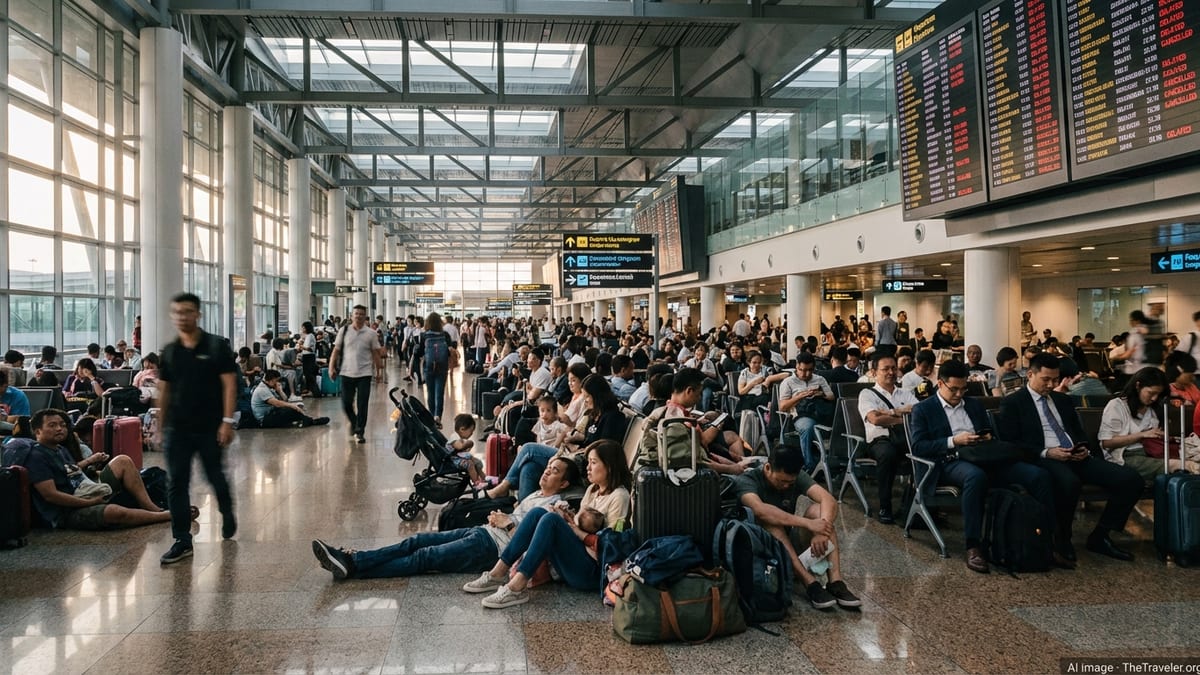
Worsening storm triggers wider Shanghai disruptions
Weather agencies report that Typhoon Bavi is strengthening as it tracks toward the eastern China coast, with strong winds and heavy rainfall forecast for coastal provinces and major transport hubs. Forecast models indicate that the storm’s circulation is likely to affect air traffic around Shanghai’s Pudong and Hongqiao airports, where authorities and airports have already signalled reduced operating capacity.
Publicly available information from Shanghai airport operators indicates that a significant share of flights in and out of the city on 11 July are being cut or consolidated, with nearly one in five services either cancelled or adjusted. Hundreds of flights at Pudong and Hongqiao have been removed from schedules or retimed as airlines attempt to keep aircraft and passengers away from the worst of the conditions.
Within this broader disruption, Malaysia Airlines has adjusted its operations to Shanghai by cancelling additional services and tightening capacity on routes linking Kuala Lumpur with the Chinese metropolis. The latest cuts add to existing reductions the carrier had already introduced on mainland China routes in response to shifting demand and operational constraints.
Flight-tracking data shows that Malaysia Airlines’ Kuala Lumpur–Shanghai services, which typically operate into Shanghai Pudong International Airport, have experienced a combination of cancellations and irregular operations as the storm’s projected path has firmed up. The airline’s most recent schedule changes are focused on the period in which Typhoon Bavi is expected to have the greatest impact on eastern China’s airspace.
Regional carriers adjust as Typhoon Bavi intensifies
Malaysia Airlines is one of several Asian carriers reshaping their networks in response to Typhoon Bavi. Airlines across the region have issued travel advisories and ticket-flexibility policies as the storm disrupts services to key destinations, including Shanghai, Taipei, Kaohsiung and cities in Japan’s southwest.
In Taiwan and Japan, multiple airlines have already announced cancellations and delays on flights scheduled between 9 and 12 July, reflecting the projected window of strongest winds and heaviest rainfall. Some carriers have introduced special ticket handling arrangements that allow passengers to change bookings or request refunds without penalty if their travel falls within the affected dates.
For flights into mainland China, global and Chinese carriers have been trimming schedules to Shanghai and nearby airports as forecasts suggest periods of severe turbulence, low visibility and potential crosswinds on approach and departure paths. Travel alerts from several airlines highlight Shanghai as a key focus, with passengers urged to monitor flight status closely before heading to the airport.
Malaysia Airlines’ decision to deepen its Shanghai cuts comes after the carrier already curtailed capacity to several cities in mainland China earlier in the year. The arrival of Typhoon Bavi has accelerated this trend in the short term, pushing more itineraries into cancellation or rebooking as operational planners prioritize safety and network stability.
Knock-on impacts for Kuala Lumpur and connecting traffic
The latest Shanghai cancellations are also being felt at Kuala Lumpur International Airport, where Malaysia Airlines’ China services form part of a wider network of connections linking Southeast Asia, North Asia and long haul markets. When Shanghai flights are pulled from the schedule, passengers connecting through Kuala Lumpur on onward services can face missed connections, extended layovers or complete itinerary changes.
Travel industry reports indicate that passengers travelling between Southeast Asia and eastern China face tighter options over the coming days as airlines consolidate capacity. Some travellers are being rerouted through alternative hubs that are less exposed to Typhoon Bavi’s forecast track, while others are being offered later travel dates once conditions are expected to improve.
At the same time, Kuala Lumpur’s role as a regional transfer point means disruption on one trunk route can cascade across the network. Malaysia Airlines is expected to focus aircraft and crews on more stable routes while the storm passes, aiming to minimise broader timetable disruption and ensure resources are available when normal operations can safely resume.
Passengers planning to use Kuala Lumpur as a connecting hub to reach Shanghai in the coming days are being advised through public travel notices and media coverage to leave extra time, verify the latest flight status before departure and consider flexible fares where available.
What affected passengers should know
For travellers holding Malaysia Airlines tickets to or from Shanghai during the Typhoon Bavi period, options typically include rebooking to later dates, rerouting via alternative destinations where feasible, or requesting refunds in line with the airline’s existing disruption policies. Specific arrangements vary by fare type and booking channel, but recent regional practice suggests that many carriers are relaxing change fees when weather events lead to widespread cancellations.
Travel advisories published by airlines and airports across East Asia emphasize that schedules may change at short notice as the storm’s intensity and path evolve. Even flights that remain on the timetable can experience significant delays, equipment changes or diversions if conditions deteriorate around departure or arrival times.
Passengers are being encouraged through publicly available statements to rely on official airline and airport communication channels to confirm the latest information. Third-party apps and flight-tracking sites can offer additional visibility into real-time operations, but final decisions on whether a flight proceeds, delays or cancels rest with each carrier and its operational control center.
With Typhoon Bavi still intensifying, observers expect further adjustments across airline networks serving Shanghai and neighboring regions. Malaysia Airlines’ latest Shanghai cancellations reflect a wider pattern of precautionary changes as carriers balance customer disruption with the need to keep aircraft, crew and passengers clear of severe weather systems.