


More news on this day
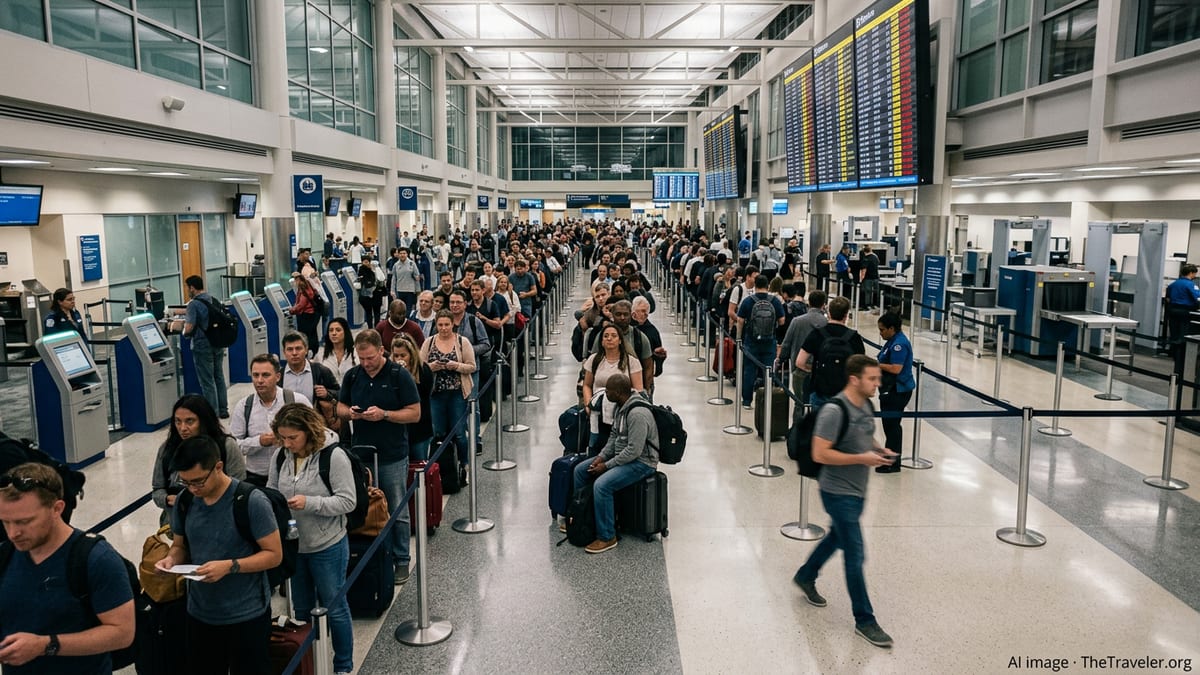
Passengers at Seattle-Tacoma International Airport on June 26 faced a difficult travel day as publicly available flight-tracking data showed 122 delays and two cancellations affecting services on major carriers including British Airways, Alaska Airlines, Delta Air Lines, American Airlines and Southwest Airlines, disrupting key routes to cities such as London, Tokyo, New York and Los Angeles.
Get the latest news straight to your inbox!
Major Carriers Hit as Delays Build Through the Day
Data from airport and airline status boards on June 26 indicated a broad pattern of disruption at Seattle-Tacoma International Airport, with more than a hundred flights arriving or departing behind schedule. The impact extended across a mix of domestic and international services, with delays typically stretching from minor schedule slips to hold-ups lasting several hours.
Publicly available schedules for airlines serving Seattle, including Alaska Airlines and Delta Air Lines, showed a number of services operating off their planned times even where flights remained officially listed as “on time” earlier in the day. Tracking platforms also recorded two flight cancellations, leaving some travelers searching for alternative connections or overnight accommodation.
The disruption affected a network of routes linking Seattle to major hubs including London, Tokyo, New York and Los Angeles. With these cities acting as gateways for onward connections across North America, Europe and Asia, missed links and forced rebookings rippled well beyond the Pacific Northwest.
Although flight-tracking services and airport dashboards continued to show the majority of services operating, the concentration of late departures and arrivals at a single hub created busy gate areas, longer queues at customer service desks and heavier pressure on rebooking options during peak evening periods.
Operations at Seattle-Tacoma Under Strain
Seattle-Tacoma International Airport handles tens of millions of passengers each year and functions as a key West Coast hub for domestic and long-haul travel. Historical performance data and recent capacity assessments show that the airport operates at relatively tight margins during peak hours, leaving limited room to absorb even modest disruptions without visible knock-on effects.
Analyses of airport capacity and delay trends for recent quarters describe Seattle-Tacoma as an airport where construction activity, airfield configuration and volume growth can combine to reduce operational flexibility. When demand is high, small schedule changes may quickly develop into longer waits for passengers, particularly at shared gate and taxiway bottlenecks.
Passengers on June 26 reported extended time on board aircraft before departure and longer-than-expected waits at gates as carriers adjusted their operations. Public posts from travelers also described crowding at departure halls and busy security and check-in areas during the morning and late-afternoon banks of flights.
Even in periods when federal air-traffic data showed no formal ground delay program in place for Seattle, minor constraints in runway usage, aircraft sequencing and turnaround times can contribute to a visible build-up of late departures and arrivals. With a full schedule of domestic and international departures, the airport’s infrastructure leaves limited slack to re-time aircraft without affecting later rotations.
International Links to London and Tokyo Affected
Among the most closely watched services at Seattle-Tacoma are long-haul flights linking the Pacific Northwest with Europe and Asia. On June 26, tracking data showed disruption affecting itineraries that connect through London and Tokyo, two of the most important international gateways for Seattle-area travelers.
British Airways typically operates transatlantic services linking Seattle with London, while a mix of Asian and U.S. carriers connect the region to Tokyo. When departure or arrival times slip at Seattle, onward connections at these major hubs can quickly become challenging, especially for passengers with tight transfer windows or separate onward tickets.
Publicly available posts from travelers indicated concern about missed overnight flights to Europe and Asia, particularly where earlier domestic segments into Seattle were delayed. For some passengers, the cumulative effect of moderate delays across multiple legs resulted in missed final departures and the need to seek new routings the following day.
These long-haul disruptions carry additional implications for baggage handling and crew scheduling. Late inbound widebody aircraft can cascade delays onto their next long-haul rotations, while crews may reach duty-time limits, forcing airlines to reshuffle staffing or hold flights until replacements are available.
Domestic Hubs from New York to Los Angeles See Knock-On Effects
Beyond international routes, the June 26 disruptions also affected a dense web of domestic connections from Seattle to major U.S. hubs including New York and Los Angeles. Carriers such as Alaska Airlines, Delta Air Lines, American Airlines and Southwest Airlines rely heavily on these trunk routes for both point-to-point traffic and onward feed.
Publicly available flight-status feeds showed several departures between Seattle and key domestic hubs running behind schedule. In some cases, delays were moderate and recovered in flight; in others, they led to tight or missed connections at onward hubs. Travelers connecting to early-morning or late-night departures from New York or Los Angeles faced particular challenges due to limited alternative options on the same day.
Because many flights between Seattle and these hubs operate multiple times per day, airlines can sometimes re-accommodate passengers on later departures. However, once seat inventory tightens, especially at the start of busy weekends or holiday periods, those options become limited and travelers may need to accept routings through secondary hubs or travel the following day.
Additional strain arises when aircraft operating transcontinental routes are delayed into Seattle and then scheduled to turn back quickly for west-to-east sectors. A late inbound arrival can easily push a subsequent departure outside its original time slot, compounding the day’s disruption for both originating and connecting passengers.
What Stranded Travelers Can Do at Seattle-Tacoma
For passengers caught up in the June 26 disruptions, published consumer guidance for air travel suggests several practical steps. First, travelers are encouraged to monitor both their airline’s official app and independent flight-tracking services, since gate assignments and departure times can change repeatedly as operations evolve.
When delays exceed several hours or a flight is canceled, publicly available guidance from airlines and regulators indicates that passengers should review their carrier’s contract of carriage and rebooking policies. Some carriers may offer hotel or meal vouchers in specific circumstances, while others focus on placing customers on the next available flight, even if that involves a connection through a different hub.
Travelers transiting Seattle on their way to international destinations such as London or Tokyo may benefit from contacting their airline as soon as a significant delay emerges, rather than waiting until a formal cancellation is posted. Early action can increase the chances of securing remaining seats on later flights or alternative routings.
Consumers are also advised by travel advocates to keep records of boarding passes, receipts and communications in case they seek reimbursement or compensation later. While U.S. rules provide more limited automatic compensation than some overseas regimes, passengers may still be eligible for refunds or other remedies depending on the cause of the disruption and the airline’s own customer-service commitments.