


More news on this day
A Republic Airways Embraer ERJ 175 operating as American Eagle flight RPA4373 from Boston to Washington diverted to Norfolk International Airport in Virginia on August 10, according to publicly available flight-tracking and airport information.
Get the latest news straight to your inbox!
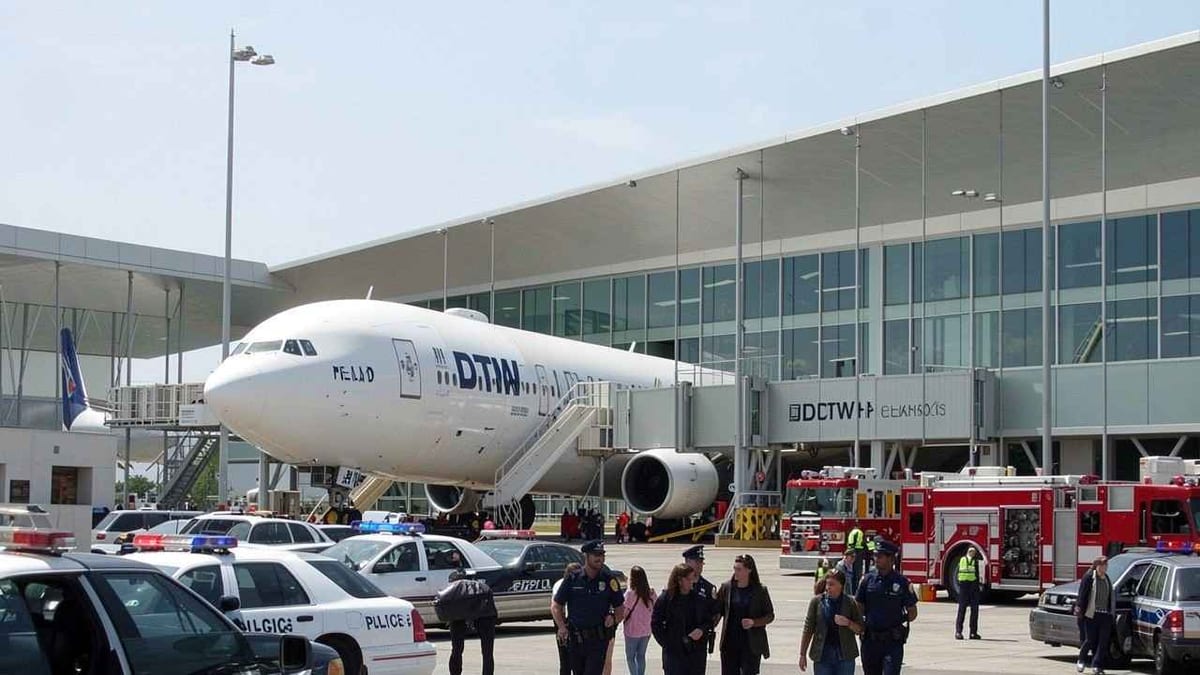
Boston–Washington Service Makes Unscheduled Stop in Norfolk
Flight records indicate that the regional jet departed Boston Logan International Airport on August 10 for Washington under American’s American Eagle brand before altering course en route and landing at Norfolk International Airport. The aircraft involved was an Embraer ERJ 175, a type commonly used by Republic Airways on short-haul routes in the northeastern United States.
Data from flight-tracking platforms show that the service, identified as RPA4373, followed an initial southbound routing consistent with the Boston to Washington corridor before turning toward coastal Virginia and touching down in Norfolk. Published information suggests the diversion occurred partway through the journey, adding significant time and complexity to what is ordinarily a relatively short sector.
Norfolk International Airport, which serves the Hampton Roads region of Virginia, periodically receives diversions from congested or weather-affected airports along the East Coast. The unscheduled arrival of an American Eagle service from Boston to Washington fits within a broader pattern of regional jets being rerouted to secondary airports when operational or environmental factors arise along heavily traveled corridors.
At the time of the diversion, wider East Coast traffic flows were being managed around localized disruptions, based on public air-traffic and delay information for the region. These conditions can contribute to reroutings when combined with standard airline operating procedures and aircraft performance considerations.
Operational Factors Behind Midroute Diversions
Publicly available industry guidance highlights a range of reasons why a regional jet such as the Embraer ERJ 175 might divert between two major East Coast cities. Common triggers include weather around the destination, air-traffic control flow restrictions, technical indications that warrant a precautionary landing, or fuel-management decisions when holding patterns begin to extend.
On routes like Boston to the Washington area, storms along the mid-Atlantic seaboard and congestion near busy hubs can require aircraft to hold or reroute, sometimes prompting crews to opt for an alternate airport. Norfolk, which offers multiple runways and full-service facilities, is frequently used as a practical alternate for traffic operating along the I‑95 air corridor.
American Eagle services operated by Republic Airways typically follow American Airlines’ standard operating procedures for diversions, including the selection of suitable alternates and coordination with ground operations to receive an aircraft at an airport that may not be its original destination. In such cases, passengers can experience extended on-the-ground time while the airline and airport staff reposition the aircraft or arrange onward travel.
Travel-disruption case studies involving similar flights show that airlines often cite a combination of safety, regulatory, and operational requirements when explaining diversions. Even when no visible weather issues appear at the original destination, upstream conditions, airspace congestion, or crew-duty time limits can play a role in redirecting a flight to an intermediate airport such as Norfolk.
Impact on Passengers and Subsequent Travel Plans
For travelers on RPA4373, the unscheduled landing in Norfolk would likely have resulted in missed connections and altered arrival times in the Washington area. Airline policies described in publicly available customer documents emphasize that carriers aim to transport passengers to their ticketed destination, but they do not guarantee arrival at a specific time or via a specific routing when disruptions occur.
Passengers on diverted flights are typically rebooked onto later services or, in some cases, transported onward by ground or alternate air arrangements once the aircraft is ready or replacement flights become available. When diversions occur to airports like Norfolk with connections to other hubs, airlines may position another aircraft or crew to complete the journey, depending on fleet and staffing constraints.
Public accounts from recent diversion events on various American Eagle routes suggest that communication and clarity around expected onward travel times can significantly shape passenger experience. While the primary focus of any diversion is operational safety, travelers often face long waits, limited access to baggage, and uncertainty about rebooking options.
Industry observers note that, particularly during busy summer travel periods, one diverted regional jet can create a ripple effect through an airline’s schedule. Aircraft and crew that were due to operate subsequent segments may become unavailable, leading to additional delays or cancellations across the network.
Regional Jets and the Busy Northeast Corridor
The Embraer ERJ 175 has become a mainstay on high-frequency business and government routes such as Boston to the Washington area, where demand supports multiple daily flights but not always larger mainline aircraft. The type typically seats around 70 to 80 passengers and is configured for short- to medium-haul sectors.
Republic Airways operates ERJ 175s for several major U.S. carriers under capacity-purchase agreements, including American Airlines under the American Eagle brand. In this structure, Republic provides the aircraft and crew, while the mainline airline markets the flights and sells the tickets.
On the Boston to Washington corridor, these regional jets play a key role in maintaining schedule frequency, particularly during peak weekday periods. However, their smaller size and operational profiles can make them more sensitive to slot constraints and holding patterns around major hubs, increasing the likelihood that diversions are used as a tool to manage safety margins and fuel planning.
Aviation analysts point out that while diversions like the one involving RPA4373 on August 10 are disruptive for passengers, they are an expected part of airline operations along congested airways. The incident underscores how quickly conditions can shift on even relatively short flights, leading airlines to use alternate airports such as Norfolk to keep operations within regulatory and safety thresholds.
Broader Context for East Coast Summer Operations
The diversion of the Boston to Washington service to Norfolk occurs against a backdrop of an intense summer travel season in the United States, with high passenger volumes and recurrent weather systems affecting the East Coast. Publicly available data on delay patterns show that the Boston, Washington, and mid-Atlantic region frequently experience flow-control measures and ground-delay programs during peak travel days.
Airlines operating in this environment often activate flexible rebooking policies and travel waivers when forecast storms are expected to disrupt schedules across multiple airports. When such waivers are in effect, passengers on routes similar to Boston to Washington can sometimes adjust travel dates or routings in advance to avoid the risk of diversions and extended delays.
The use of regional alternates such as Norfolk International Airport is part of a wider strategy by carriers to keep aircraft and crews positioned as efficiently as possible while adhering to safety rules and duty-time regulations. Each diversion, including that of RPA4373, adds operational complexity but can also help prevent longer disruptions if it allows an aircraft to refuel, reset crew scheduling, or wait out weather away from the most congested hubs.
For travelers watching such events unfold in real time on flight-tracking platforms, the August 10 diversion highlights the practical realities behind the data points on a map. A short hop between two East Coast cities can quickly turn into an extended journey, with an unexpected stop in a city like Norfolk becoming a key part of keeping the flight within safe and regulated operating limits.