


More news on this day
An overnight crash in downtown Wauconda left a fire station with an estimated $100,000 in damage after an SUV left the roadway and slammed into the building while firefighters were asleep inside, according to local reports.
Get the latest news straight to your inbox!
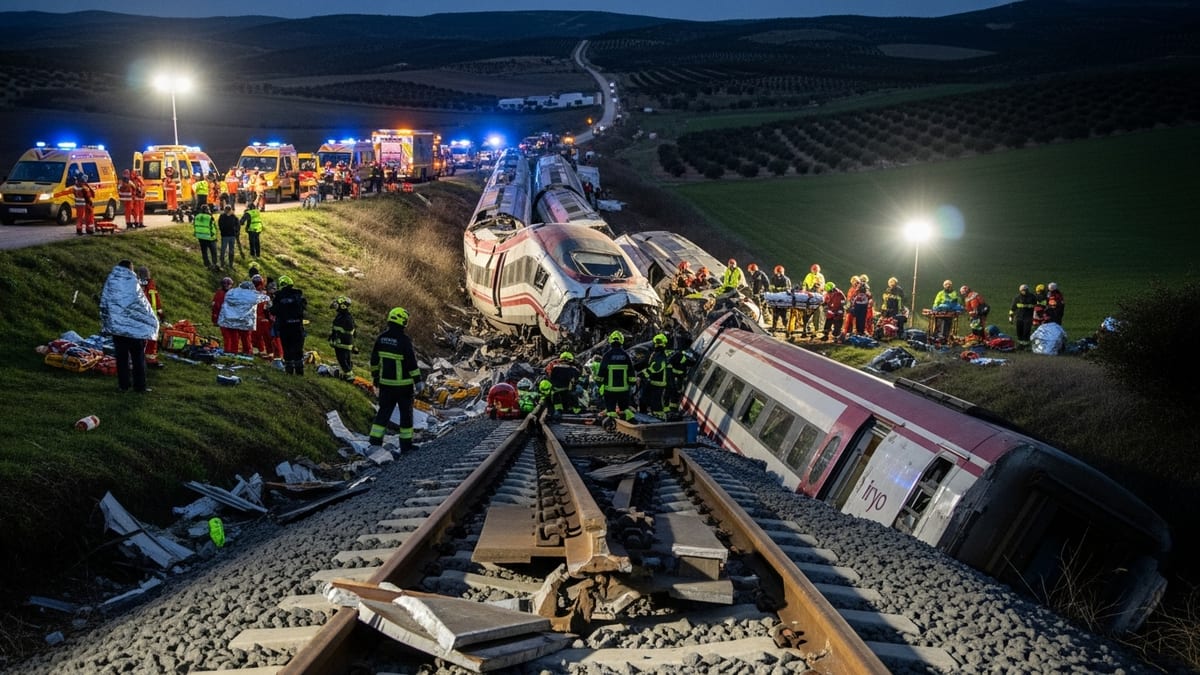
Overnight crash shatters quiet at suburban firehouse
Publicly available information shows the incident happened shortly after midnight on Tuesday, June 16, at Wauconda Fire District Station 1 on West Liberty Street, a busy stretch of Route 176 in the northwest suburbs of Chicago. An Acura SUV was reported traveling north on Route 59 when it veered off the roadway, crossed a grassy area and Route 176, and struck the front of the station.
Reports indicate the impact tore into the administrative office area at the front of the building, punching out masonry and windows and scattering debris across the apron where residents often see engines staged. Initial assessments from the fire district place the cost to repair the structural and interior damage at roughly $100,000.
Coverage from regional outlets notes that the crash did not affect the station’s firefighting or ambulance fleet, and that crews were able to continue responding to calls from the site. A structural engineer review is expected to guide how long full repairs will take and whether any temporary shoring or reconstruction will be required around the main entrance.
For a suburban community that views the downtown station as both a working facility and a civic landmark, the early morning collision was a jarring reminder of how quickly routine overnight shifts can be disrupted by incidents unfolding just outside the bay doors.
DUI charge filed after SUV plows into station
According to published coverage from local news organizations, the driver, identified as 24-year-old Joshua Majeski of Chicago, now faces multiple charges, including driving under the influence. Additional traffic-related counts were also reported in connection with the crash.
Reports indicate Majeski was behind the wheel of the Acura SUV when it left Route 59, crossed the grassy median and Route 176, and ultimately collided with the station’s office wing. A passenger was also in the vehicle. No serious injuries were reported among the vehicle’s occupants, and both were evaluated after the crash.
Publicly available information shows that investigators are reviewing how speed, impairment, roadway conditions, and the vehicle’s path off the highway may have contributed to the station strike. As of the latest published reports, the case remains under review in the local court system, and additional details about potential penalties or court dates have not been widely released.
The reported DUI charge places the Wauconda crash within a broader pattern of impaired-driving incidents involving significant property damage or injuries across the Chicago region and elsewhere, an issue that continues to draw concern from traffic-safety advocates and emergency responders.
Firefighters asleep inside escape injury
Accounts from the Wauconda Fire District describe a narrow escape for crews who were on duty and asleep in their quarters when the SUV hit the building. Firefighters were housed in interior and rear portions of the station, separate from the administrative offices that absorbed the force of the crash.
Reports indicate that none of the sleeping personnel were near the point of impact, and there were no injuries to firefighters or paramedics. The SUVs path into the front of the structure meant the collision did not penetrate into dorm rooms or apparatus bays, where staff and vehicles are typically positioned overnight.
Local coverage notes that no fire trucks or ambulances were damaged, and operations from Station 1 continued despite the debris and temporary loss of office space. Administrative staff have been relocated within the building and may rely on remote or off-site work areas while repairs are underway.
The incident underscores both the vulnerability and resilience of essential public-safety facilities. While the front office was rendered unusable, the station’s core function as a hub for emergency response remained intact, allowing crews to maintain coverage for Wauconda and surrounding communities.
Damage assessment and repairs ahead
According to publicly available information from the fire district, initial estimates put the cost of repairs at around $100,000, a figure that reflects structural damage to the facade, office interiors, and building systems in the impact zone. A detailed engineering assessment will refine the scope of work, including any needed reinforcement of walls or supports.
Reports indicate that insurance and potential restitution related to any criminal case could help offset the cost to local taxpayers, though the ultimate financial impact will depend on policy coverage, legal proceedings, and contractor bids. Temporary measures, such as boarding up the opening and securing utilities, were undertaken soon after the crash.
Because the administrative offices took the brunt of the damage, the station’s apparatus bays and living quarters reportedly remain functional. That has allowed the district to avoid relocating crews or moving vehicles to another station, which can sometimes add critical response minutes for nearby neighborhoods.
For residents, the boarded and braced front corner of Station 1 will likely be a visible reminder of the crash in the weeks ahead, even as everyday operations continue largely unchanged behind the damaged facade.
Crash highlights risks to front-line emergency facilities
While crashes into homes, storefronts, and restaurants tend to draw attention, the Wauconda collision also illustrates a less common but particularly disruptive type of incident in which emergency facilities themselves are struck. Recent coverage of traffic events around the region has highlighted multiple serious crashes involving impaired or erratic driving, from highway collisions to vehicles leaving the roadway in business districts.
In this case, the timing and angle of impact meant that a direct hit on sleeping quarters or fire apparatus was avoided. Traffic-safety specialists often note that outcomes can be far worse when vehicles penetrate deeper into occupied sections of buildings or ignite secondary fires after impact.
The Wauconda crash is expected to feed into ongoing conversations about roadway design, speed management near critical infrastructure, and the persistent challenge of impaired driving. As reconstruction planning moves forward, the fire district and local officials may also review protective features around the station frontage, such as barriers or reinforced landscaping, to reduce the risk from any future errant vehicles.
For travelers passing through downtown Wauconda, the damaged corner of Station 1 adds a new visual cue about the consequences of driving under the influence, even when no one is physically hurt. For the firefighters who were asleep inside, the gouged brick and splintered offices at their front door mark a close call they will likely remember on many future overnight shifts.