


More news on this day
Austria is sharply tightening how visitors move, stay and spend time in its most popular destinations, introducing a wave of new rules that aim to rein in chaotic crowds, protect housing for residents and nudge tourism into a more sustainable future.
Get the latest news straight to your inbox!
From Picture-Postcard Crowds To Policy Reset
Austria has spent the past decade as a poster child for both scenic travel and overtourism. Lakeside Hallstatt, baroque Salzburg and Vienna’s historic core became symbols of strain, with narrow streets routinely overwhelmed by day-trippers, tour buses and short-stay visitors. Publicly available information shows that tiny Hallstatt has faced daily visitor numbers many times higher than its population, while ski and lake districts in Salzburg and Tyrol report growing traffic congestion and pressure on infrastructure.
At the same time, tourism remains a central pillar of the Austrian economy, and recent data from Statistics Austria indicates that overall acceptance of tourism among residents is still relatively high, even as concerns such as rising prices and crowded public spaces gain visibility. This tension between economic benefit and quality of life is shaping a new regulatory approach that increasingly prioritises local interests.
Against this backdrop, authorities at federal, regional and city level have begun to roll out more assertive tools. These include rules on where and how short-term rentals can operate, measures to better manage visitor flows in sensitive destinations, and pricing policies intended to push more travel onto public transport. Together they amount to a significant reset in how Austria manages tourism pressure.
Vienna’s Radical Clampdown On Short-Term Rentals
The clearest example of this shift is in Vienna, where a major overhaul of short-term rental rules took effect in July 2024. According to official municipal information and legal commentary, tourist rentals across the city are now generally limited to 90 days per year, regardless of district, with stricter oversight of hosts who operate on platforms such as Airbnb.
Previously, tight controls applied mainly in designated residential zones. The new framework extends limits citywide and distinguishes more sharply between casual home-sharing and professional hospitality activity. Reports on the changes describe requirements for exemption permits when apartments are rented to tourists beyond 90 days, backed by steeper fines for non-compliance, with penalties in serious cases running into tens of thousands of euros.
Publicly available data and academic analysis indicate that enforcement tools have also been strengthened, including dedicated control units and closer cooperation with booking platforms. Early assessments reported by Austrian media suggest a noticeable decline in active listings in Vienna compared with the period before the rules were tightened, a trend that housing researchers link to efforts to protect long-term rental supply.
For visitors, the impact is subtle but real. Travellers are likely to see fewer entire-apartment listings in some central districts and more emphasis on professionally run accommodation or registered guest rooms, while being asked more frequently to provide personal data for local tax and registration obligations that authorities are keen to standardise.
Alpine And Lakeside Hotspots Test Visitor Caps
Beyond the capital, Austria’s mountain and lake regions are experimenting with crowd-control tools designed to avoid the most visible symptoms of overtourism. Hallstatt, long a social-media favourite, has been at the forefront, with regional coverage detailing caps on tour buses and stricter time slots intended to smooth peak arrivals. The village has become a reference point in international debates about managing day-tripper surges in small communities.
In the state of Salzburg, research-led visitor management projects are helping local tourism boards track flows more precisely. Published project descriptions highlight the use of data from mobile networks, sensors and ticketing systems to forecast congestion at popular attractions, hiking routes and alpine passes. The goal is to divert demand across the day and season by adjusting marketing, signage and service capacity.
Similar conversations are under way in Tyrol and Vorarlberg, where ski resorts and alpine valleys report mounting concerns about traffic queues, noise and environmental pressure during peak winter and summer weeks. Measures discussed or piloted in these regions include tighter controls on coach parking, reservation systems for certain scenic roads and closer coordination between accommodation providers and local transport operators.
For travellers, these local rules can translate into pre-booking requirements for bus arrivals, recommended time windows for visiting postcard-known viewpoints, and less spontaneous access to certain hotspots at the busiest hours. Authorities and tourism boards increasingly frame such steps as necessary to safeguard the very landscapes and village life that attract visitors.
New Tax And Ticket Rules Shape How Tourists Move
Regulation is not limited to where tourists sleep. Vienna has recently updated guidance on its local lodging tax, refining rates and clarifying how hotels and private hosts should calculate and remit the levy. Public information outlines a multi-year schedule of tax percentages that depends on whether an operator is liable for value-added tax, with the changes feeding into the broader effort to capture more accurate data on overnight stays.
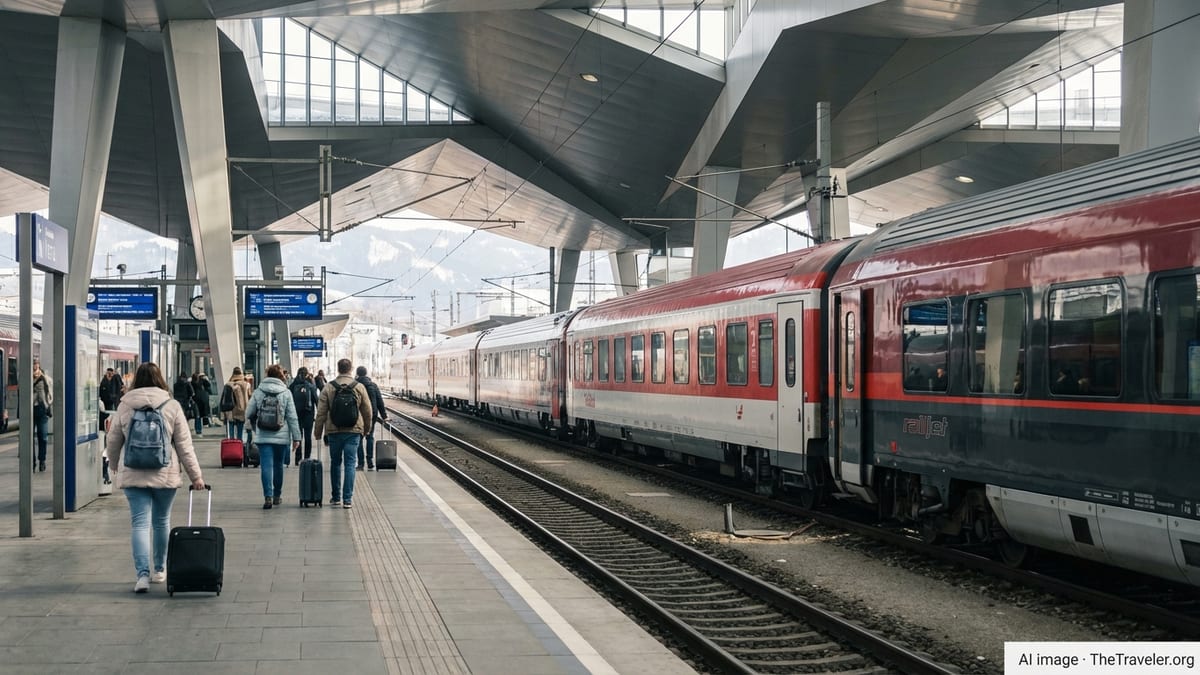
Nationally, the KlimaTicket, a flat-rate public transport pass valid across most of the country’s rail and bus networks, continues to reshape how residents and long-stay visitors move around Austria. Academic assessments of the scheme’s early impact suggest that cheaper nationwide public transport has encouraged some travellers to choose trains and buses over private cars on intercity routes, a shift that aligns with both climate goals and crowd management in popular corridors.
Tourism analysts point out that combining mobility incentives with visitor caps and rental restrictions is central to Austria’s emerging model. By making sustainable transport more attractive, tightening rules on tourist accommodation that competes with local housing, and closely tracking visitor numbers at pressure points, policymakers hope to spread demand more evenly and reduce the worst pinch points.
In practice, this means tourists may encounter a denser network of ticket checks, clearer information about city and regional taxes, and more visible prompts to opt for rail or bus. While individually modest, these elements form part of a coordinated attempt to manage the cumulative impact of high visitor volumes.
Balancing Tourism Growth With Quality Of Life
Recent analysis by Austria’s statistical office shows that tourism acceptance remains relatively robust across the country, but there are marked regional differences. Support is highest in provinces where tourism jobs are particularly important, and lower in urban areas where residents are more likely to cite housing and traffic concerns. This uneven picture is shaping how new rules are debated and applied.
Experts on housing and urban planning note that Vienna’s tighter short-term rental rules are closely tied to its longstanding emphasis on affordable housing. By restricting high-yield tourist use of apartments and reinforcing the city’s social housing model, policymakers aim to shield local renters from international demand that is less sensitive to local wage levels.
In contrast, smaller tourism-dependent communities tend to focus first on managing daily crowding and protecting natural and cultural assets. Initiatives in alpine valleys and historic lake towns often emphasise preserving tranquillity, landscape integrity and access for residents, rather than housing supply alone.
Across Austria, the shared thread is a growing willingness to intervene in how tourism operates, not just how it is marketed. For visitors, the result is a more regulated environment that may feel different from the freewheeling days of low-cost flights and unrestrained platform rentals. For destinations, advocates argue that these changes are essential to ensure that Austria’s most admired places remain liveable for residents and welcoming to travellers in the long term.