


More news on this day
Holidaymakers worried by headlines about European flight disruptions are being urged not to panic, as easyJet insists it has built enough resilience into its summer 2026 schedule to avoid widespread last minute cancellations.
Get the latest news straight to your inbox!
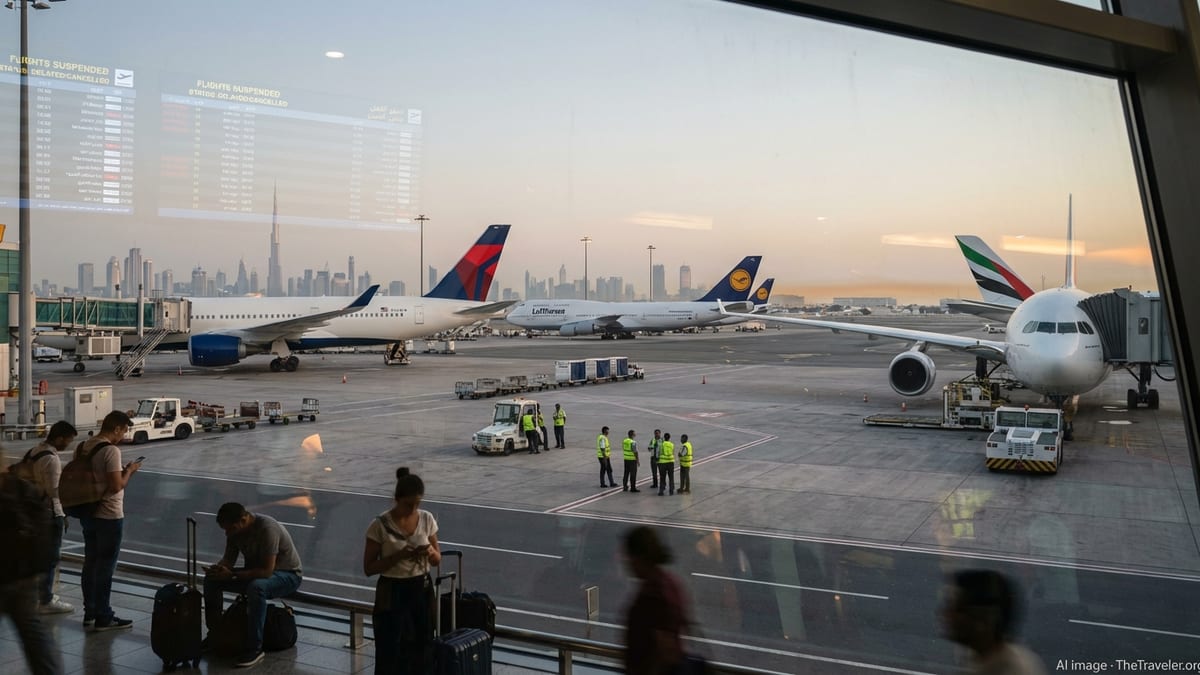
Background: Fuel fears and war jitters unsettle European travelers
Across Europe, jet fuel supply concerns and the ongoing conflict in the Middle East have created a nervous backdrop for the peak 2026 holiday season. Industry coverage has highlighted the risk that rising fuel prices and potential shortages could push airlines to trim frequencies, consolidate lightly booked services or rework schedules at short notice.
Reports indicate that several European carriers have already announced targeted summer cancellations, feeding a perception that travelers could face another season of sudden disruption. Specialist aviation outlets describe carriers quietly tweaking timetables to manage costs and capacity rather than slashing entire route networks.
At the same time, booking patterns are shifting. Publicly available information shows that many customers are waiting longer to commit to trips, wary of both geopolitical uncertainty and the prospect of being stranded abroad if flights are pulled. This late-booking trend is now a central factor shaping how airlines, including easyJet, plan their summer operations.
In this climate, any suggestion of flight reductions quickly triggers anxiety, particularly among families who booked months in advance and remember the extensive disruption seen in earlier post pandemic summers.
easyJet’s message: cancellations will be limited, not “chaotic”
Against this backdrop, easyJet’s leadership is seeking to draw a clear line between manageable schedule adjustments and a full scale crisis. The company’s latest half year results, published on 21 May 2026, reiterate a “robust demand” outlook for the main summer period while acknowledging softer bookings in the shoulder months and additional costs from higher fuel and airport charges.
According to that update and subsequent market commentary, the airline is not planning mass cuts to its peak school holiday programme. Instead, it is using measures introduced in recent years, such as reducing high risk early morning rotations, building more turnaround time into schedules and holding extra standby crew and aircraft, to keep on the day cancellations to a minimum.
Recent analysis in European business media notes that easyJet expects to fly more than 50 million passengers over the season, with most seats already on sale and many routes increased versus last year. The carrier’s so called “Book with Confidence” style commitments, which offer flexibility on changes, are also designed to reassure travelers that they will not be left without options if their flight is affected.
The overarching message from the airline’s public communications is that some cancellations are inevitable in a network of this size, but that passengers should not expect widespread last minute scrapping of peak summer departures purely for cost cutting reasons.
Strong capacity plans show focus on growth, not retreat
easyJet’s capacity plans for 2026 suggest the carrier is positioning for growth rather than a retrenchment. In July 2025 the airline released seats for the 2026 core summer window, putting more than 29 million seats on sale between mid June and mid September, including over 15 million seats touching the United Kingdom. That release locked in a broad programme to key leisure markets such as Spain, Portugal, Greece and Italy.
More recent announcements confirm that the airline is continuing to expand its base network. A new crew and aircraft base at Newcastle, opened earlier this year, is part of a strategy to deepen presence at regional airports and support what the company describes as its “biggest ever summer” for its holiday arm. Publicly available figures point to double digit growth in package holiday customers compared with last year.
Analysts commenting on easyJet’s latest results highlight that the company has maintained one of the stronger balance sheet positions among European low cost carriers, with liquidity buffers intended to help it absorb short term shocks without slashing flying. While the first half of its 2026 financial year showed a widened seasonal loss, commentary around the results continues to frame the airline’s core summer as the main profit driver, underlining management’s incentive to keep as much of the peak schedule intact as operationally feasible.
All of this underpins the reassurance being aimed at holidaymakers: despite news of cancellations across the continent, easyJet’s baseline plan remains to operate a very full programme through July and August, particularly on flagship sun routes.
Why some flights will still disappear from the schedule
Even with this relatively confident outlook, travelers are being advised to expect some degree of change to their plans. Aviation reports note that easyJet, like its peers, is facing sharply higher fuel costs due to the impact of the Iran conflict on global energy markets, along with above inflation increases in airport and air traffic charges in several European countries.
Public documents from the airline explain that, in response, it may consolidate lightly booked flights, remove marginal rotations at less busy times of day or seasonally adjust frequencies on certain city pairs. These moves are framed as targeted efficiency steps rather than emergency cuts, but they can still mean that an individual departure disappears, even when the overall route remains well served.
Operational resilience is another driver. Industry case studies from past summers show that tightly packed schedules leave airlines vulnerable when bad weather, air traffic control restrictions or technical issues strike. easyJet has indicated that it prefers to trim some capacity in advance and maintain more buffers in the timetable, with the aim of preventing cascading delays and day of travel cancellations.
For passengers, this means that a cancellation weeks or months before departure is more likely to reflect planned consolidation than sudden crisis. In those situations, European consumer rules and the carrier’s own policies generally provide options to rebook on an alternative easyJet service or, on package holidays, adjust travel dates or destinations.
What holidaymakers can realistically do to protect their trips
Travel experts and consumer advocates quoted in recent coverage emphasise that the key to avoiding disruption stress is preparation rather than panic. One consistent message is that travelers should monitor their bookings closely through airline apps and sign up for push notifications, as schedule changes are often communicated first through digital channels.
Given the pattern of late booking this year, some analysts suggest that those with fixed school holiday dates may be better served by locking in flights earlier rather than waiting for last minute bargains, particularly on busy Mediterranean routes. With easyJet signalling confidence in its peak schedule, early bookers are likely to have a wider choice of alternative departures if a flight is later adjusted.
Travel insurance that clearly covers schedule disruption, and not only medical issues, is also described as increasingly important. Although policies do not generally cover events directly linked to war, many do offer some protection for missed connections, extended delays or additional accommodation when flights are cancelled or rescheduled at short notice.
Finally, publicly available guidance from consumer groups reiterates that passengers on affected easyJet services retain rights under European compensation rules where cancellations are made close to departure and not caused by extraordinary circumstances such as severe weather. Understanding these rights in advance can help travelers respond calmly if they do receive a cancellation notification this summer.