


More news on this day
Passengers travelling through Edinburgh Airport in recent days have reported severe disruption, with some facing waits of close to nine hours as knock-on delays, congestion and operational pressures combined to create one of the most challenging periods at Scotland’s busiest hub this year.
Get the latest news straight to your inbox!
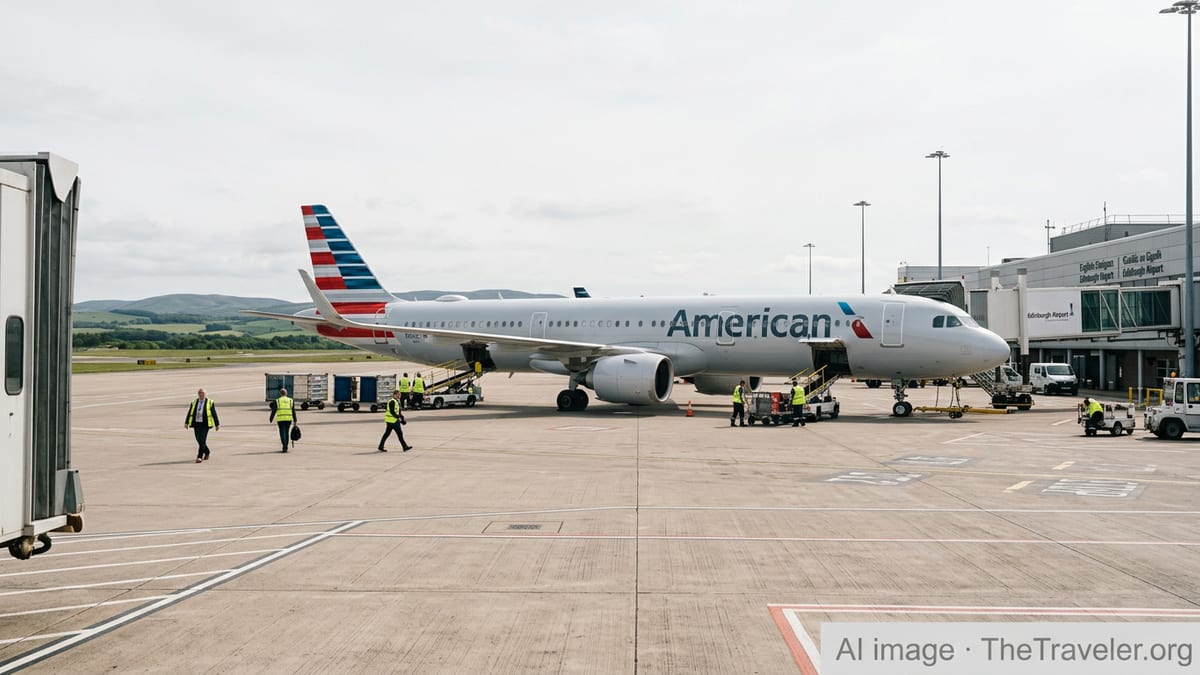
Long delays ripple across departures and arrivals
Reports from travellers indicate that disruption at Edinburgh has affected both departing and arriving passengers, with issues ranging from extended check in queues and security bottlenecks to aircraft held on the ground and late baggage delivery. While typical security waits at the airport are usually measured in minutes according to travel data platforms, recent days have seen significantly longer processing times during peak periods, leading some passengers to remain in the terminal for most of the day as schedules slipped.
Accounts shared on social media and travel forums describe passengers arriving well ahead of departure only to find their flights repeatedly pushed back, in some cases culminating in total journey delays of up to nine hours by the time they reached their destination or received confirmation of cancellations. Families travelling at the start of the summer season, as well as business travellers returning from European hubs, appear among those most affected.
The disruption has been exacerbated by congestion at baggage reclaim for arriving flights. Some passengers have reported being held on board aircraft or in arrival halls for extended periods while they waited for stands to become available or for luggage to reach the carousel, further lengthening overall travel times through the airport.
Fuel supply problems add pressure to operations
Publicly available information suggests that recent operational difficulties at Edinburgh have coincided with jet fuel supply issues affecting several Scottish airports. Discussion in aviation and travel communities indicates that airlines serving Edinburgh have, at times, had to adjust flight plans, arrange technical stops for refuelling at other airports, or delay departures while fuel was sourced and delivered.
These fuel constraints appear to have had a particular impact on longer European and international services that require higher fuel loads. In practice, this has meant some aircraft remaining on the ground significantly longer than scheduled, contributing to a backlog of departures and arrivals and adding to congestion on stands, at boarding gates and in the wider terminal.
When combined with routine challenges such as aircraft rotation, crew duty limits and airspace restrictions, these fuel-related delays have contributed to a complex and evolving operational picture. The result for passengers has been a series of knock-on effects, where a delay on an earlier rotation can cascade throughout the day and push later departures many hours behind schedule.
Data shows contrast between typical performance and current strain
Industry and travel data highlight that the severe waits now being reported are out of step with Edinburgh’s usual performance. Airport punctuality statistics for recent months show the airport broadly in line with other similarly sized European facilities, and third party wait time trackers generally record average security queues as relatively short during normal operations.
Guidance from airport and aviation organisations emphasises that Edinburgh typically handles early morning and evening peaks with a combination of additional staff and queue management, aiming to keep processing times within expected ranges. Over the current disruption period, however, anecdotal accounts suggest that these usual patterns have been overtaken by the cumulative impact of fuel issues, aircraft availability and busy seasonal traffic.
For many travellers, the striking difference between anticipated short queues and the reality of near day long disruption has added to frustration, particularly for those who had planned connections, ground transport or accommodation around scheduled arrival times that ultimately proved unattainable.
Passenger rights and compensation considerations
The extensive waits have prompted renewed interest in what protections are available to travellers when flights are heavily delayed or cancelled. Consumer guidance from legal and travel rights organisations explains that passengers departing from UK airports may be entitled to compensation or assistance under air passenger regulations, depending on the cause and length of the delay and whether it fell within the airline’s control.
In cases where delays stem from airport wide issues such as fuel supply disruption or constraints on ground handling that are deemed outside airline control, compensation payments may not always apply. However, airlines are still generally expected to provide care and assistance in the form of refreshments, communication access and, for very long delays or overnight disruptions, accommodation where appropriate.
Travel advisers note that the total delay experienced by the passenger at their final destination is the key factor when assessing any entitlement, rather than the time spent in a particular queue or on the ground at Edinburgh. With some journeys reportedly extended by up to nine hours, affected passengers are being encouraged to retain boarding passes, booking confirmations and any written notifications of delay in order to pursue claims where regulations allow.
Advice for travellers heading through Edinburgh in coming days
With the situation still evolving, publicly available information from travel services and airport monitoring tools suggests that passengers planning to use Edinburgh in the coming days should prepare for the possibility of continued disruption, even if conditions gradually stabilise. Travel industry guidance typically recommends allowing extra time at the airport during periods of heightened pressure, while avoiding arriving so early that terminals become even more congested.
Passengers are being advised to monitor their airline’s app or communication channels closely on the day of travel, as well as independent flight tracking tools that can provide an early indication of delays or aircraft changes. Where possible, carrying hand luggage only, checking in online and ensuring all travel documents are ready before reaching the airport can help minimise time spent in queues if processing points become congested again.
Those with tight onward connections or essential time sensitive commitments may wish to review alternative routing options or more flexible booking arrangements until the airport’s operational picture becomes clearer. While severe nine hour waits remain at the extreme end of current reports, the recent disruption has underlined how quickly conditions at a busy hub can change and how important it is for passengers to keep track of developments right up to the moment they travel.