


More news on this day
An emergency aircraft landing at Missoula Montana Airport on Wednesday, September 16, 2026, temporarily paused commercial operations and caused flight delays as crews worked to clear the runway and restart scheduled departures.
Get the latest news straight to your inbox!
What happened on the airfield
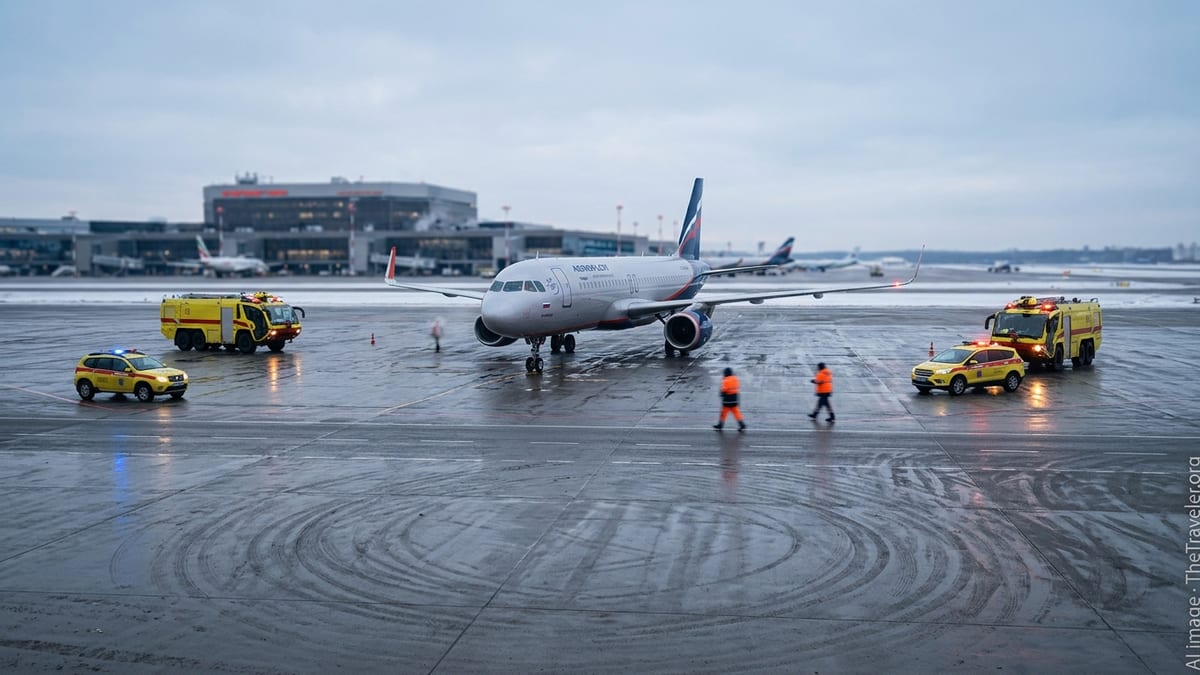
Published coverage indicates a general aviation aircraft made an emergency landing at Missoula Montana Airport (MSO) on September 16, prompting the airport to pause commercial operations while the situation was managed on the runway.
Later updates in local reporting described the aircraft as a business jet traveling from Billings to Hamilton that diverted to Missoula after a front landing gear issue, with the pilot completing a safe landing. With the aircraft disabled on the runway, normal airline movements could not continue until it was removed and the pavement area was cleared for safe operations.
The airport’s public updates during the incident emphasized that departures and arrivals would remain on hold until the aircraft could be moved. Reports also indicate the airport requested assistance from the National Transportation Safety Board for the removal process, a step that can be required depending on the circumstances and condition of the aircraft.
Why a single emergency landing can snarl a smaller airport
Missoula is a busy regional airport, but it does not have the same runway and taxiway redundancy as major hubs. When a runway is blocked, even briefly, airlines can lose takeoff and landing “slots” and then face a backlog of aircraft that must be sequenced back into position once the airfield reopens.
The disruption can also cascade because aircraft and crews are scheduled to operate multiple legs in a day. A delayed outbound flight from Missoula may become a delayed inbound flight later, affecting travelers connecting through larger airports such as Seattle, Denver, Salt Lake City, or Minneapolis.
Even after the runway is cleared, airports typically need time for inspections and coordination before resuming normal flow. Publicly available airport operational planning documents describe how irregular operations can include ground stops, ground delay programs, and flow control measures, with safety checks and airfield status verification required before traffic returns to normal.
Immediate impact on departures and airline schedules
Reports from the afternoon of September 16 indicated that flights into and out of Missoula were delayed as the airport worked to remove the aircraft. While the pause itself may be measured in hours, the effects can extend into the evening as airlines work to reposition aircraft, reassign gates, and manage late-arriving crews.
For travelers, the most visible result is a departure board that starts to slide, with “delayed” times updating in waves rather than all at once. That is partly because airlines and air traffic management adjust departure sequences based on when the airfield reopens and how quickly aircraft can be staged for takeoff.
Airlines typically re-accommodate passengers on the next available flights when a schedule becomes disrupted, but seat availability out of a smaller airport can tighten quickly, especially on peak travel days. If a delayed flight causes a missed connection, the downstream rebooking options can depend on how many flights operate on the same route that day.
What travelers should do if they were affected
Travelers flying out of Missoula during or shortly after the disruption can reduce uncertainty by checking real-time flight status directly with their airline, since gate assignments and estimated departure times can change multiple times as operations normalize. Airport display boards may lag behind airline systems during fast-moving recovery periods.
Passengers already at the airport during a ground stop generally benefit from staying near their departure gate, keeping an eye on boarding time changes, and charging devices as early as possible. If a delay becomes prolonged, travelers may want to confirm whether the airline is rebooking automatically or whether taking action in the airline app can secure an earlier seat on a different routing.
For travelers who have not yet left for the airport, delay situations can sometimes be easier to manage by waiting at home or at a hotel until the airline posts a stable departure time. That approach can also help avoid long periods landside, especially if the disruption causes peak-time crowding at check-in or security.
What to watch next
With the aircraft removed and flight operations resuming, the key question for passengers becomes how quickly schedules return to normal cadence. Residual delays can persist into the next bank of departures, particularly if late aircraft arrivals compress turnaround times.
Separately, the emergency landing itself may lead to additional publicly released information if aviation incident documentation becomes available later. In the near term, however, the most practical travel takeaway is that a single runway obstruction can have outsized effects at regional airports like Missoula, where there are fewer operational workarounds when an unexpected event occurs.