


More news on this day
The United States has issued fresh security alerts urging Americans to exercise increased caution across parts of the Middle East after a new burst of Houthi missile and drone activity targeted Saudi Arabia, adding to concerns about unpredictable escalation, travel disruptions, and heightened risk around critical infrastructure and transportation hubs.
Get the latest news straight to your inbox!
Why the new warning is landing now
In recent days, published coverage has described a renewed spike in Houthi attacks aimed at Saudi Arabia, including attempts involving ballistic missiles and drones. The developments have included reports of activity tied to the Saudi capital Riyadh and areas near major transportation and energy facilities, underscoring how quickly the risk environment can shift for travelers even outside active conflict zones.
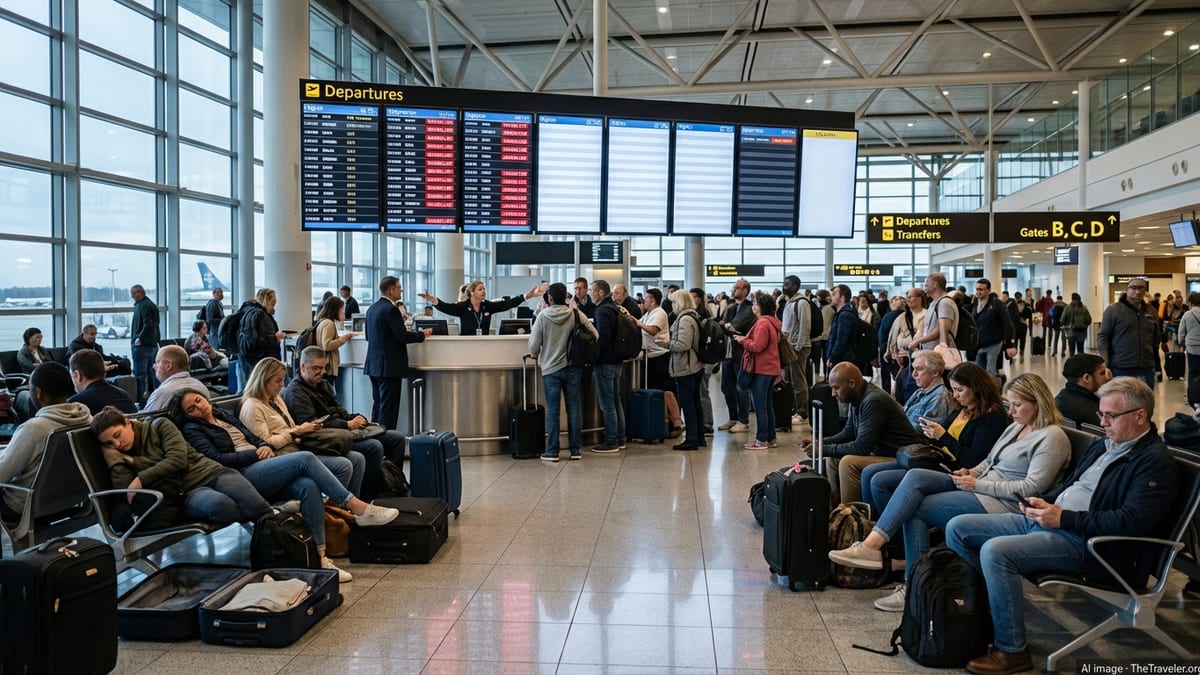
The timing also aligns with broader U.S. government messaging that emphasizes the possibility of sudden changes in regional security conditions, including periodic airspace restrictions and flight cancellations. For travelers, that typically translates into more conservative planning: fewer tight connections, more flexible tickets where possible, and extra attention to airline operational notices.
Separately, U.S. travel guidance for Saudi Arabia was updated on September 15, 2026, highlighting risks that include drone and missile threats, armed conflict, and terrorism, along with legal considerations that can affect visitors. The new round of security alerts builds on that baseline advisory posture rather than replacing it.
What reports show about the latest Houthi attacks on Saudi Arabia
Saudi Arabia has publicly described intercepts of incoming threats attributed to Yemen’s Iran-aligned Houthi movement, including a reported ballistic missile attempt toward Riyadh on September 19, 2026. Media reporting around the incident also referenced smoke and fire sightings near Riyadh’s main airport area, a reminder that transportation nodes can become focal points in periods of heightened tension.
Earlier in the week, reporting described a separate drone incident in which debris from an intercepted device was linked to a fatality. Additional coverage has pointed to injuries in the kingdom during this month’s attacks, and to strikes that affected energy-related sites and utilities in a wave of attacks reported in early September.
For travelers, the practical takeaway is not that every city is equally exposed, but that threats can extend beyond border areas. That can affect decisions on routing, hotel location, ground transportation timing, and whether to attend large gatherings or visit high-profile sites during periods of elevated risk.
Air travel impacts: what to watch if you’re flying in the region
Security alerts tied to regional tension often mention the potential for short-notice flight disruptions, including delays, cancellations, and airspace closures. In the Gulf and Red Sea region, even temporary routing changes can create knock-on effects such as missed connections or longer flight times, particularly on routes that normally overfly sensitive corridors.
Travelers with upcoming trips to or through the region may benefit from checking airline advisories frequently in the days before departure and again on the day of travel. It can also help to confirm whether your itinerary relies on same-day connections through a single hub, and to identify backup options in advance if rebooking becomes necessary.
U.S. government guidance for Saudi Arabia continues to flag the possibility of drone and missile targeting and broader security concerns. Travelers should factor in that security conditions can change quickly and that local restrictions around sensitive areas may be tightened without much notice.
Maritime and cruise-adjacent risks in the Red Sea corridor
Even travelers who are not going to Yemen can be affected by instability linked to Yemen’s conflict because the Bab el-Mandeb Strait, the Red Sea, and the Gulf of Aden are key transit corridors for commercial shipping. U.S. maritime advisories have continued to warn about Houthi attacks on commercial vessels across these waterways, with active guidance extending into late September 2026.
For travelers, this is most relevant in three ways: itinerary changes for Red Sea cruise and ferry operations, potential port-call substitutions, and pricing or availability shifts for flights and hotels if maritime disruptions ripple into broader logistics and energy markets.
People planning diving trips, liveaboards, or small-vessel journeys that approach sensitive waters should scrutinize operator routing and contingency planning. If an operator cannot clearly describe how it monitors maritime risk and adjusts routes, travelers may want to consider alternatives.
Practical steps for U.S. travelers and expats right now
U.S. security alerts and advisories generally emphasize situational awareness, monitoring local developments, and maintaining flexibility. For Americans already in the region, that can include reviewing embassy security updates, keeping travel documents accessible, and ensuring phones can receive emergency notifications.
Travelers should also consider the non-security constraints highlighted in U.S. guidance for Saudi Arabia, including local laws and the potential for exit bans in certain circumstances. Those issues are separate from the missile and drone threat picture but can become highly consequential if the security environment tightens and mobility becomes more complicated.
For those deciding whether to proceed with travel, it may help to separate “destination risk” from “transit risk.” Even if a planned stop is not the focus of current incidents, airspace changes, heightened screening, and last-minute schedule shifts can still disrupt trips. Flexible reservations and travel insurance terms that match the current advisory environment can matter more than usual.