


More news on this day
Commercial flights out of Missoula Montana Airport faced delays on Wednesday, September 16, after an emergency landing left an aircraft on the runway and prompted a temporary pause in airfield operations while crews worked to clear the surface.
Get the latest news straight to your inbox!
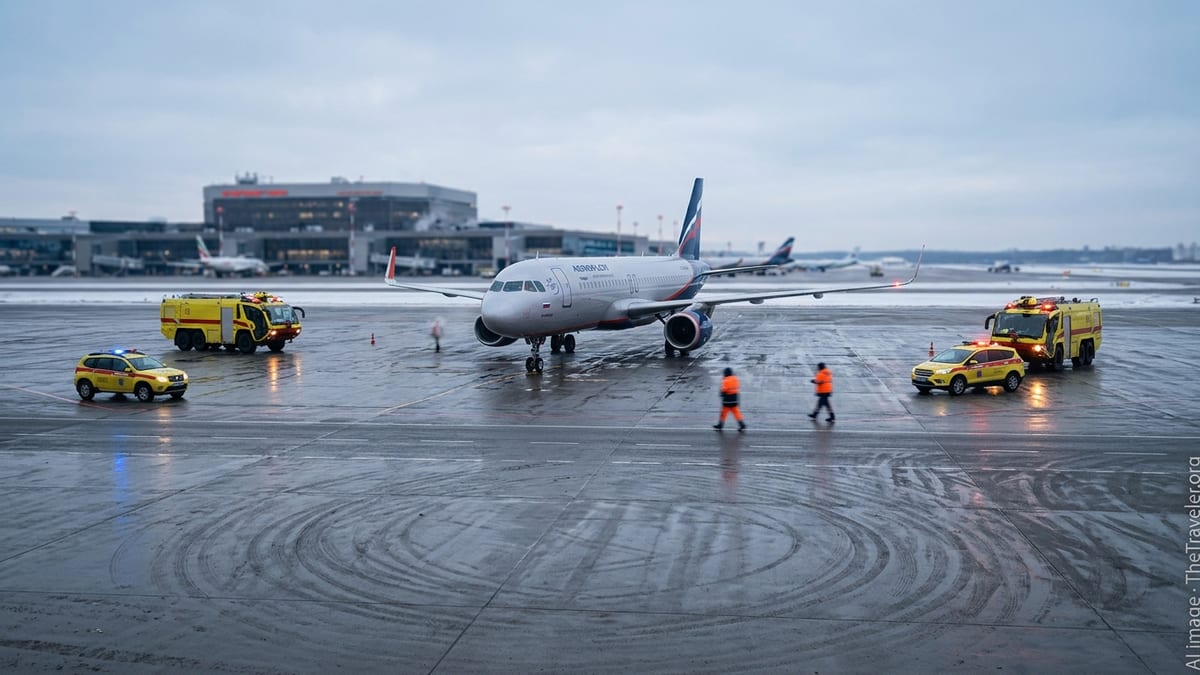
What happened at Missoula Montana Airport
Published coverage and airport updates indicate a general aviation aircraft made an emergency landing at Missoula on Sept. 16, leading the airport to pause commercial operations as the aircraft remained on the runway. Travelers saw knock-on effects across both departures and arrivals as schedules adjusted around the disruption.
Reports later identified the aircraft as a business jet traveling from Billings to Hamilton that rerouted to Missoula after the front landing gear did not deploy as expected. The aircraft landed safely, but could not immediately clear the runway, creating a temporary bottleneck at an airport with a limited number of runways available for airline traffic.
Flight activity remained constrained until the aircraft could be removed and the runway area checked for safety, a standard step after incidents that may involve disabled equipment, debris, or emergency response vehicles operating near the movement area.
Why one disabled aircraft can ripple through a smaller airport
At large hubs, parallel runways and extensive taxiway networks can sometimes absorb a short-term disruption. Missoula’s commercial schedule, by contrast, can be more sensitive to a runway blockage because there are fewer immediate alternatives for sequencing takeoffs and landings.
When an airfield pause occurs, inbound flights may be held at their origin airports, slowed en route, or diverted depending on timing and fuel planning. That can indirectly affect departing passengers in Missoula because the aircraft scheduled to operate an outbound flight is often the same aircraft arriving from a previous city.
Even after departures resume, delays can persist for hours. Aircraft and crews may be out of position, and airlines often need additional time to reset boarding plans, accommodate missed connections, and adjust downstream rotations to keep the rest of the day’s network stable.
What travelers should expect in the terminal and on airline apps
For passengers flying out of Missoula after a disruption like this, the most immediate changes typically appear as shifting departure times, aircraft swaps, or gate-area holds while inbound planes arrive later than planned. In some cases, a flight may appear “on time” earlier in the day and then move back as updated aircraft arrival estimates are posted.
Travelers generally get the fastest operational updates through airline mobile apps and text alerts, which can reflect gate changes, boarding time adjustments, and rebooking options more quickly than third-party trackers. Airport flight boards can help provide a broader picture of whether multiple airlines are experiencing delays at the same time.
If a delay stretches, passengers may also see cascading impacts such as tight connections in Denver, Seattle, Salt Lake City, or Minneapolis, depending on the carrier and route. On days when equipment is running late, travelers with onward connections may want to check alternate flights early, since seats on later departures can fill quickly after an irregular event.
Runway clearance, safety checks, and what comes next
After a disabled aircraft event, restoration of normal traffic generally depends on two factors: removing the aircraft from the runway environment and confirming the surface is safe for operations. That can include inspections for debris, fluid spills, or damage that could affect tire integrity or braking performance.
Coverage of the Missoula incident indicates the airport coordinated with federal investigators to support the aircraft’s removal. While the emergency landing itself ended safely, the follow-up phase can still take time because moving a disabled aircraft may require specialized equipment and careful coordination to avoid further runway damage.
For travelers, the practical takeaway is that even a brief runway closure can cause schedule effects well after the airfield reopens. Airlines typically work to recover through the evening by retiming departures, swapping aircraft when possible, and repositioning crews. Passengers flying within 24 hours of a disruption are often best served by rechecking status repeatedly rather than relying on an earlier snapshot of the schedule.