


More news on this day
Passengers flying SpiceJet from Delhi to Dubai faced an overnight wait at Indira Gandhi International Airport this week after two services were delayed for nearly 30 hours and 19 hours, triggering a sit-in protest inside Terminal 3.
Get the latest news straight to your inbox!
What happened at IGI Terminal 3
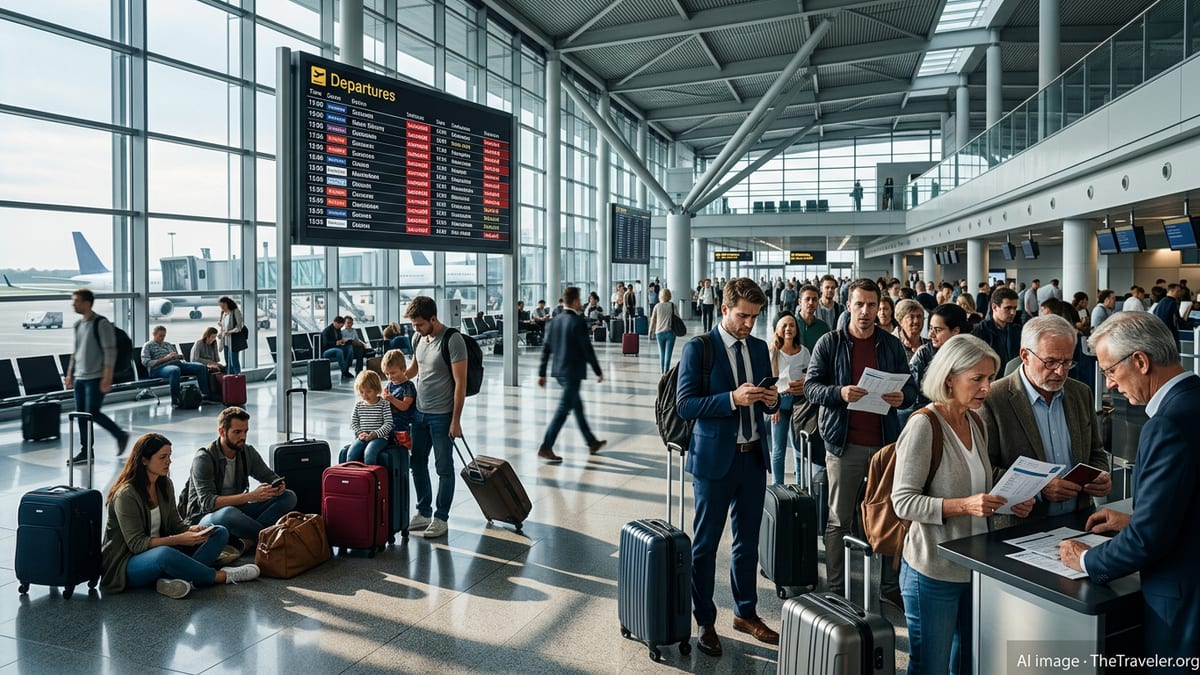
Published coverage describes crowded scenes at Delhi’s Terminal 3 as Dubai-bound travelers waited through repeated schedule changes and uncertain departure times. Video clips circulated on social platforms and carried by Indian outlets showed passengers sitting on the terminal floor and protesting near the airline’s counters.
The disruption centered on two SpiceJet flights on the Delhi to Dubai route. Reports indicate one flight scheduled to depart at 7:45 a.m. on Monday eventually left at about 2:00 p.m. on Tuesday, roughly 30 hours behind schedule. A second flight scheduled for Monday evening reportedly departed Tuesday afternoon after close to a 19-hour delay.
Several reports also noted knock-on effects for other departures on the same sector, including at least one additional Delhi to Dubai service that was rescheduled later in the day, adding to congestion and passenger anxiety in the international departures area.
Flight details reported across Indian outlets
Multiple outlets identified the longest-delayed service as SpiceJet flight SG 5111, listed to depart Delhi for Dubai on Monday morning before being pushed back repeatedly and leaving the next day. Coverage also said the flight carried roughly 160 passengers.
The second affected service was widely reported as SG 5105, scheduled for a Monday evening departure. Published accounts placed its eventual departure on Tuesday afternoon, with passenger counts also commonly reported at around 160.
Reporting described growing frustration as travelers tried to manage missed connections, hotel plans in Dubai, and work obligations while remaining inside the airport for extended periods. Several stories characterized the protest as a sit-in that began after passengers said they had been waiting for many hours without clear certainty on timing.
What reporting says about the cause of the delays
Accounts of the cause were broadly consistent in describing an operational disruption rather than weather. Published coverage attributed the long delays to operational reasons and linked the ripple effect to an aircraft being grounded, which reduced the airline’s ability to operate the scheduled rotation.
While the precise operational sequence has not been detailed in the public reports, prolonged delays on an international route can compound quickly when a single aircraft is out of service and replacement capacity is limited, especially when departures are clustered around similar time windows.
The incident comes as Indian carriers face persistent scrutiny over disruption handling and passenger communication during irregular operations, with viral airport scenes often accelerating public pressure and amplifying calls for clearer, more frequent updates when schedules slip into overnight territory.
Passenger rights in India during long delays
India’s Directorate General of Civil Aviation framework requires airlines to provide “facilities” during flight disruptions, with the type of assistance scaling with how long the delay lasts. Publicly available government information references the Civil Aviation Requirements covering denied boarding, cancellations, and delays, including the expectation of meals and refreshments during waiting periods and hotel accommodation with transfers when the delay becomes overnight.
Government material summarizing passenger protections also emphasizes that these obligations sit alongside choices such as alternative arrangements or refunds in eligible situations. The practical experience for travelers, however, often depends on how quickly an airline can rebook passengers onto the same carrier or other services, and whether hotels near the airport can be secured at short notice during peak periods.
For passengers in similar situations, travel advisors commonly recommend keeping all disruption-related receipts, preserving boarding passes and booking confirmations, and documenting the timeline of schedule changes through airline messages and airport display boards. Consumer advocates also note that escalation channels can include airline customer care and formal complaint mechanisms where applicable, though outcomes vary by case.
What travelers can do when an overnight delay hits
When a delay pushes travel beyond midnight or stretches across a full day, travelers often face immediate decisions about whether to stay airside, seek accommodation, or ask to be rebooked. Practical steps highlighted by passenger-rights guides include requesting written confirmation of delay status, asking what assistance is being provided at the airport, and verifying whether checked baggage can be retrieved if an extended wait is likely.
For international itineraries, travelers with onward connections or time-sensitive commitments typically try to confirm rebooking options as early as possible, including alternate departures on the same route. In parallel, those traveling with travel insurance may check whether their policy covers delay-related expenses and what documentation is required for claims.
The Delhi incident underscores how quickly frustration can build when long delays overlap with crowded terminals and uncertain departure windows. Even when the disruption’s root cause is operational, the passenger experience often hinges on clear communication, realistic ETAs, and timely access to basics such as meals, rest areas, and overnight arrangements.