


More news on this day
Emirates is preparing a comprehensive travel insurance guarantee designed to ensure passengers can return home safely even if flights are disrupted or rerouted due to ongoing regional instability and shifting airspace restrictions across parts of the Middle East.
Get the latest news straight to your inbox!
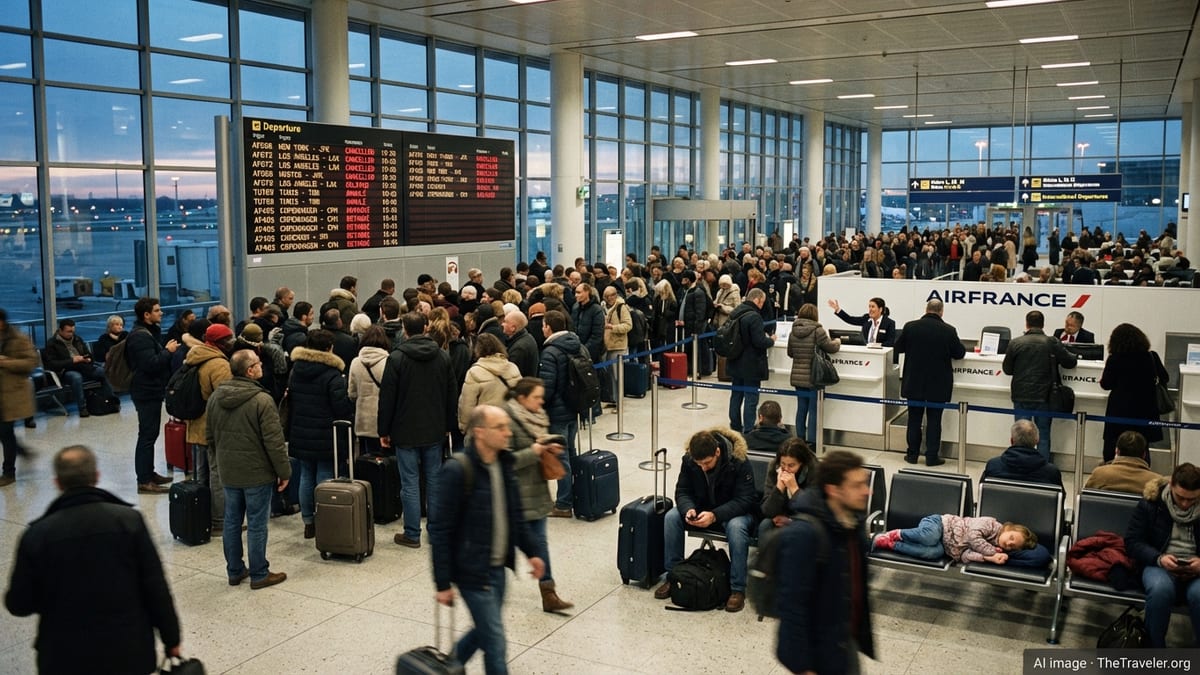
New Guarantee Focuses on Getting Passengers Home
Publicly available information indicates that Emirates is working on an insurance-backed guarantee that would prioritize getting stranded customers home, even if that means placing them on other airlines when regular schedules are significantly disrupted. The move follows months of intermittent airspace closures, conflict-related diversions and last-minute cancellations affecting travel into and through Dubai.
According to recent coverage of the airline’s plans, the guarantee is intended to reassure travelers that they will not be left without a way back to their home country or final destination if regional conditions suddenly change. While the carrier already rebooks passengers on its own network during irregular operations, the proposed insurance framework would formalize an additional financial backstop for alternative travel arrangements.
Industry observers note that this type of commitment goes beyond standard rebooking policies by explicitly tying the promise of a safe return home to a dedicated insurance structure. The guarantee is expected to sit alongside existing customer service measures, providing a clear pathway for reimbursement or rerouting when itineraries can no longer operate as planned.
Emirates has not yet published full policy wording for the new guarantee, but early indications suggest that it will focus on one core outcome: ensuring that disrupted passengers have a funded route home, rather than relying solely on ad hoc waivers or case-by-case exceptions.
Response to Months of Regional Disruption
The development of a more robust insurance promise comes after a period of sustained travel uncertainty across parts of the Middle East, where shifting security assessments and temporary airspace closures have forced airlines to rework flight paths or suspend certain routes. Travelers transiting through Dubai have faced missed connections, extended layovers and, in some cases, unplanned overnight stays when onward services could not safely operate.
Reports from earlier disruption episodes in 2026 show that Emirates introduced flexible rebooking and refund waivers for affected itineraries, allowing many passengers to change dates or request fare refunds without standard penalties. Those measures helped mitigate the immediate impact for some travelers but did not always resolve concerns about how and when they would ultimately return home if regional conditions deteriorated again.
Travel forums and consumer guidance documents describe how recent disruptions have exposed gaps between what typical travel insurance policies cover and the realities of conflict-related interruptions. Many off-the-shelf policies exclude war and similar events, leaving airlines to shoulder a greater share of the responsibility for rerouting or refunding customers when airspace is shut or governments issue new advisories.
Against that backdrop, an airline-specific insurance guarantee tailored to regional conditions is being viewed as a strategic move to rebuild confidence, particularly among visitors who might otherwise hesitate to connect through a hub located near sensitive air corridors.
How the Emirates Insurance Guarantee Could Work
While formal terms and conditions have yet to be released, available information and standard industry practice offer clues to how the Emirates guarantee may function. Rather than operating as a standalone retail travel insurance policy sold directly to passengers, the framework appears to be structured as an airline-funded insurance arrangement that activates in defined disruption scenarios.
In practical terms, this could mean that when a journey is severely interrupted for reasons beyond a traveler’s control, Emirates would either arrange new tickets home on its own services or, when necessary, purchase seats on partner or competing airlines. The insurance component would cover the financial exposure of these alternative routings, especially when last-minute fares are significantly higher than the original ticket price.
Such a setup would align with broader aviation practices in which carriers maintain behind-the-scenes insurance or financial protection to support passenger care obligations, including accommodation, meals and surface transport during long delays or cancellations. In this case, however, the emphasis is shifting squarely onto the objective of getting customers home, even when that requires looking beyond the Emirates network.
Observers also expect the guarantee to be governed by detailed eligibility rules, such as requiring that disruptions stem from safety, security or airspace issues, and that passengers hold confirmed tickets and comply with check-in and documentation requirements. Those parameters would mirror existing delay and cancellation notices that already describe when hotel stays, meal vouchers or ticket refunds apply.
Implications for Travelers and the Wider Market
For passengers, the most immediate impact of the new guarantee is psychological: the knowledge that a funded pathway home exists, even in a fast-changing regional environment. Travel advisers say that reassurance may be especially important for families, corporate travelers and visitors on multi-stop itineraries who depend on Dubai as a major connection point between Europe, Asia, Africa and Oceania.
The guarantee also arrives at a time when global travelers are being urged to read the fine print of traditional travel insurance policies. Consumer guides published in 2026 highlight that many comprehensive plans offer strong protection for trip interruption, medical emergencies and lost baggage, but often exclude war or government-imposed airspace closures. Emirates’ approach could partially bridge that gap for journeys flown on its tickets.
Competitive dynamics are another factor. If the program succeeds in calming concerns about regional risk while maintaining strong load factors through Dubai, other carriers operating in or near unstable regions may feel pressure to introduce similar assurances. That could accelerate a broader shift in how airlines use insurance-backed guarantees as a marketing and risk-management tool, not only a regulatory requirement.
However, analysts caution that any airline promise of this kind will depend on continued access to alternative routes and partner capacity. During widespread disruptions, seats on other airlines can become scarce, and operational constraints may limit how quickly stranded passengers can be moved, even when funding is available.
What Passengers Should Watch for Next
As Emirates finalizes the details of its comprehensive travel insurance guarantee, travelers are being advised by public-facing travel experts and consumer advocates to monitor official customer service pages and fare rules for updated wording. Key points to look for will likely include which disruptions activate the guarantee, whether it applies to outbound, inbound and connecting segments, and how claims or rebookings are processed in practice.
Passengers may also want to understand how the airline’s new promise interacts with existing legal protections, such as passenger rights regulations on flights departing the European Union, where compensation and rerouting obligations are already defined by statute. In many cases, the guarantee may operate alongside these frameworks, providing additional flexibility where laws are silent or more limited.
Specialists in travel risk management suggest that even with a strong airline guarantee, travelers should not assume every scenario is automatically covered. Personal travel insurance that includes robust trip interruption and medical benefits can still play an important complementary role, particularly for expenses unrelated to transportation, such as nonrefundable tours or accommodation at the destination.
As regional conditions continue to evolve, Emirates’ proposed insurance-backed commitment to getting passengers home illustrates how airlines are experimenting with new tools to manage uncertainty. For international travelers weighing their options in 2026, the scope and clarity of that guarantee may become an important factor when choosing how, and with whom, to fly through the Gulf.