


More news on this day
Italy’s tourism sector is entering a powerful new growth phase, as fresh data on international arrivals, hotel performance and digital bookings point to a structurally larger and more tech-driven visitor economy than before the pandemic.
Get the latest news straight to your inbox!
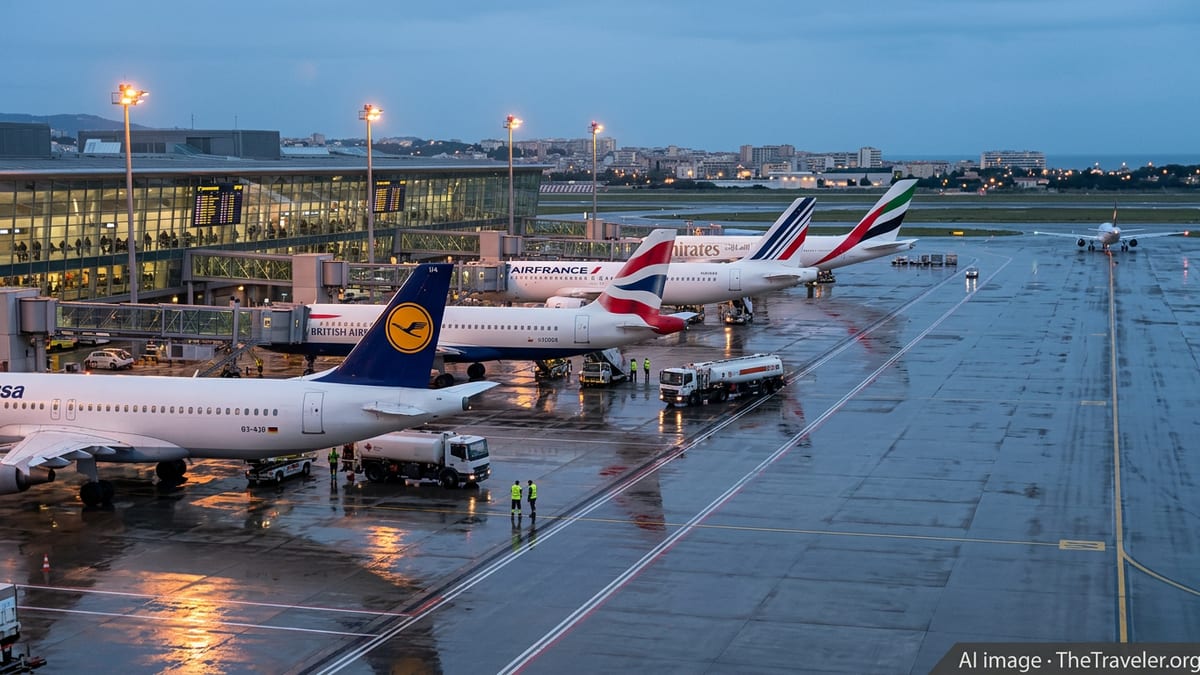
Inbound Tourism Surges Past Pre-Pandemic Benchmarks
Recent figures from Italian and international statistical bodies indicate that Italy has firmly re-established itself as one of the world’s most dynamic inbound destinations. Industry datasets for 2024 show that the country welcomed close to 67 million international arrivals, placing it among the top global tourism markets and ahead of its pre-2020 volumes in several key city and leisure segments.
National statistics on tourist flows for 2024 report roughly 458 million nights spent in Italian accommodation, with non-resident visitors accounting for a growing share of total demand. International overnights rose at a faster pace than domestic tourism, reflecting renewed appetite from long-haul markets as air connectivity and capacity were restored.
Tourism satellite account data for 2023 and provisional readings for 2024 show that travel and tourism now contribute around 10 to 11 percent of Italy’s gross domestic product, underscoring the sector’s weight in the wider economy. The balance of inbound over outbound tourism expenditure remains clearly positive, with visitor spending from abroad providing an important buffer for regional labor markets and public finances.
Analysts note that the growth in foreign demand is not confined to traditional art cities and coastal hotspots. Mountain destinations, wine regions and secondary cities are drawing larger numbers of international visitors as travelers seek diversified itineraries beyond the most crowded centers.
Hotels Post Record Revenues as Rates and RevPAR Climb
Italy’s hotel industry is emerging as one of the chief beneficiaries of the new travel cycle. Sector reviews for 2023 and 2024 point to double-digit gains in revenue per available room over 2019 levels, driven by a combination of firm occupancy and significantly higher average daily rates in both urban and resort markets.
Industry research on the Italian hotel market highlights that room revenues in leading destinations such as Rome, Milan, Florence and key coastal regions have not only recovered lost ground but surpassed it. Performance indicators compiled by advisory firms show RevPAR growth of around 30 percent between 2019 and 2023 in the country’s main tourist hubs, with further rate-led increases reported in 2024 as operators sustained pricing power during peak periods.
Separate surveys of national lodging trends for 2024 point to average room rates in the high 140-euro range, up by about 8 percent from the previous year. The acceleration has been supported by renewed long-haul demand, especially from North America, and by the return of meetings, incentives, conferences and events, which are filling shoulder seasons in major cities.
The hotel investment market is responding in kind. Transactional evidence from real estate consultancies suggests that hotel assets have become one of the most active segments within Italy’s commercial property universe, with international brands seeking to expand their footprints in lifestyle, upscale and extended-stay formats. New supply is entering the pipeline in gateway cities and select resort areas, even as planning restrictions and heritage constraints keep overall room growth measured.
Digital Bookings and Platforms Redefine the Visitor Journey
At the same time, Italy’s tourism growth phase is being reshaped by profound changes in how trips are planned and booked. Sector reports and industry presentations describe a sharp structural shift toward online channels, with a rising share of both domestic and inbound travelers using digital tools for research, price comparison and reservations.
Data on travel distribution indicate that online travel agencies, brand.com channels and metasearch platforms now account for a clear majority of bookings in key hotel and short-term rental segments. Mobile-first customer behavior is particularly pronounced among younger European travelers and long-haul visitors who are combining Italy with other Schengen destinations in multi-stop itineraries.
The rapid digitalization of bookings is encouraging Italian operators to upgrade their technology stacks. Many independent hotels and family-run properties are adopting modern channel managers, revenue management systems and direct-booking engines to reduce dependency on intermediaries and capture higher-yield demand. Destination marketing organizations and regional tourism boards are likewise investing in data platforms to monitor flows in real time and adjust promotion strategies.
This digital momentum extends beyond accommodation. Transportation, cultural attractions and food-and-wine experiences are increasingly sold through online platforms, with time-slot reservations, dynamic pricing and targeted upselling becoming more common features. Observers note that the shift is helping to smooth demand across weekdays and seasons while creating new cross-selling opportunities for local businesses.
Regional Patterns Highlight a More Diversified Visitor Economy
Behind the national aggregates, the latest statistics reveal a visitor economy that is becoming more diversified by region and travel motivation. Inbound growth remains strong in historic magnets such as Lazio, Lombardy and Veneto, where high-profile cities continue to attract city-break and cultural tourism, but there is notable expansion in smaller destinations known for outdoor activities, gastronomy and wellness.
Tourism satellite account figures show that leisure travel dominates overall overnight stays, representing more than three quarters of total demand in 2023. However, business and conference travel are regaining ground, particularly in Milan and other northern centers connected to manufacturing, design and finance. This mix is providing a broader base of year-round demand for hotels and related services.
Seasonality, long an issue for the Italian tourism model, is also evolving. Official data for 2024 point to steady growth in nights spent outside the traditional summer peak, supported by cultural festivals, sports events and targeted campaigns promoting shoulder-season travel. Regions with strong winter or spring products, such as alpine provinces and thermal spa areas, are seeing rising occupancy as travelers respond to lower prices and less crowded conditions.
At the same time, policymakers and local communities are seeking tools to manage the pressures associated with concentrated visitor flows. Measures such as access fees for certain destinations, caps on large tour groups and limits on short-term rentals in historic centers are being discussed or phased in as authorities balance growth with quality of life for residents.
Outlook: Sustained Growth with a Focus on Value and Sustainability
Forward-looking projections from international tourism bodies and Italian institutions point to continued expansion over the next decade, albeit at a more moderate pace than the immediate post-pandemic rebound. Medium-term scenarios suggest that the contribution of travel and tourism to Italy’s GDP could climb a couple of percentage points by the mid-2030s if current investment, connectivity and demand trends are maintained.
Industry analysts emphasize that the focus is gradually shifting from pure volume to value. With hotel capacity constrained in many heritage locations and infrastructure limits in peak months, growth strategies are increasingly oriented toward higher-yield segments, longer stays and more even geographic distribution of visitors.
Technology is expected to play a central role in that transition. The rise of data-driven destination management, digital visitor passes and integrated mobility platforms is giving public and private actors new tools to steer demand, reduce congestion and channel spending to lesser-known areas. Sustainability certifications for hotels and tour operators are gaining visibility as travelers become more attentive to environmental and social impacts.
For Italy, the combination of robust inbound tourism, resilient hotel performance and accelerating digital adoption signals a new phase in the evolution of its visitor economy. The challenge for the coming years will be to consolidate that momentum while safeguarding cultural heritage, supporting local communities and preserving the authenticity that remains the country’s core draw for travelers worldwide.