


More news on this day
Viking has expanded its already sizable river cruise fleet again, taking delivery of another Viking Longship in Europe and underscoring the company’s strategy of adding capacity on popular itineraries while demand for river cruising remains strong.
Get the latest news straight to your inbox!
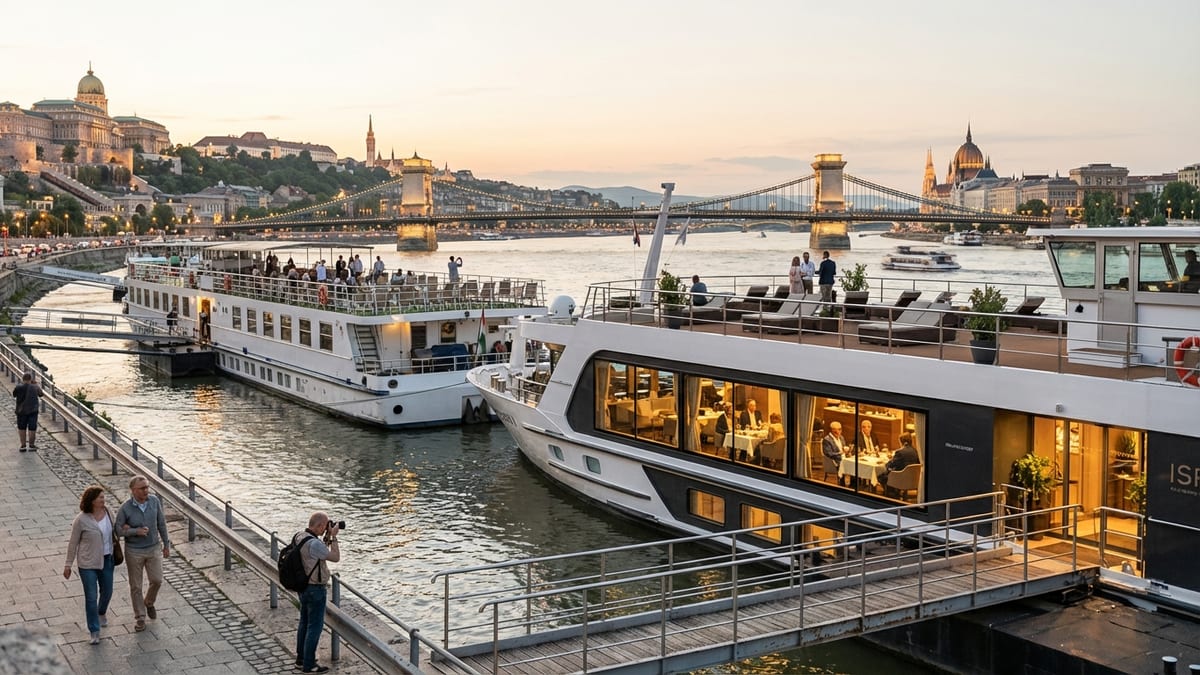
Another Longship Joins Viking’s European Lineup
The latest vessel, a member of the Viking Longship class that has defined the company’s river brand for more than a decade, was recently handed over at a European shipyard and is expected to sail on key routes across the continent. Publicly available information indicates that the newest additions to the fleet are being introduced primarily on high-demand rivers such as the Rhine, Main and Danube, as well as France’s Seine, where Viking has steadily increased capacity since 2025.
Viking has taken delivery of several new Longships in 2026 alone, including vessels positioned for popular central European itineraries and a dedicated ship for Seine sailings roundtrip from Paris. Company filings and press materials show a consistent pattern of growth, with the latest Longship following closely behind earlier deliveries such as Viking Eldir in March and additional sister ships in June.
With each new hull, the line is reinforcing its identity as one of the dominant players in European river cruising. Recent investor documents outline a committed orderbook for dozens more river vessels over the next several years, suggesting that this new Longship is part of a longer-term expansion wave rather than a one-off introduction.
The latest delivery also keeps Viking on track with a fleet plan that has seen river capacity grow to around 90 vessels, the majority of them Longships, as of early 2026. The company has repeatedly indicated in public disclosures that river cruising remains a core pillar of its business alongside ocean and expedition ships.
Design Features Built Around Europe’s Iconic Rivers
Like its predecessors, the newest Longship continues the Scandinavian-inspired design language that has become a hallmark of the brand. Renderings and descriptions in Viking’s published materials highlight clean lines, light woods and neutral tones throughout the interiors, along with large windows and open lounges that keep the focus on the river scenery.
Technical details shared in recent press information emphasize that the class retains its patented square bow, a feature developed to maximize interior space without exceeding the strict size limits imposed by Europe’s locks and bridges. This configuration allows for three full passenger decks within a footprint suited to rivers such as the Rhine and Danube, where vessels must navigate infrastructure originally built for cargo barges and smaller boats.
The ship layout is also designed around the Aquavit Terrace, a flexible indoor-outdoor dining and lounge area at the bow that has become a signature venue across the Longship series. The space gives passengers an all-weather vantage point for transiting historic stretches of river lined with vineyards, castles and medieval towns.
Cabin categories on the new Longship are expected to mirror those on earlier sister vessels, with a mix of standard river-view rooms, French balcony staterooms and true two-room suites created by the line’s use of asymmetric corridors. This approach, described in Viking’s own materials, allows more varied accommodation types within the tight constraints of a river hull.
Strategic Capacity for High-Demand Itineraries
The arrival of another Longship is closely tied to demand on some of Europe’s most popular river routes. Industry reports and Viking’s published schedules point to ongoing interest in classic itineraries such as the Rhine Getaway and Grand European voyages that combine multiple rivers between Amsterdam and Budapest.
By placing additional Longships into service, Viking can add departure dates and maintain relatively consistent hardware across similar itineraries, simplifying operations while offering travelers a familiar product from one river to the next. The new ship is expected to support this strategy by rotating through itineraries that already have established shore programs and port partnerships.
On the Seine, specific Longship-class vessels have been tailored to Paris roundtrip cruises that include Normandy and seasonal Christmas sailings, according to the company’s itinerary descriptions. The latest expansion gives Viking additional flexibility to extend French river seasons, accommodate themed voyages and respond to peak travel periods driven by North American and European holiday calendars.
Financial disclosures filed earlier this year show that river cruising continues to contribute significantly to Viking’s overall revenue, even as the group adds new ocean and expedition capacity. Adding another Longship to core European routes supports that mix by leveraging brand recognition on rivers where the company has operated for decades.
Part of a Wider Fleet-Building Program
The new Longship does not stand alone. It is one piece of a multi-year fleet-building program that spans river, ocean and expedition segments, with deliveries scheduled through at least 2031. Company filings outline plans for more than 20 additional river ships over the next few years, alongside a series of ocean vessels including Viking Mira and the hydrogen-enabled Viking Libra.
For the river arm of the business, that orderbook translates to a steady cadence of launches similar to this latest Longship. Several vessels are slated to enter service each year through 2028, broadening the line’s reach not only on established routes in central Europe but also on rivers such as the Douro in Portugal and the Nile in Egypt, where purpose-built ships have been introduced or floated out in recent seasons.
Analysts following the cruise sector have pointed to Viking’s expansion as part of a broader trend toward more capacity on rivers, which remain attractive to travelers looking for smaller ships and port-intensive itineraries compared with traditional ocean cruising. Newbuild activity by Viking and rival brands suggests continued confidence that the market can absorb additional berths, particularly for longer, immersive journeys.
While the latest Longship represents a relatively small addition in terms of overall passenger numbers, it signals that Viking is continuing to execute on its stated growth strategy. By adding capacity incrementally and deploying ships to well-established programs, the line appears to be emphasizing measured expansion anchored in routes where demand is already proven.
What the Expansion Means for River Cruisers
For travelers, the newest Longship broadens the range of dates and itineraries available across Europe’s major rivers. Additional berths can help relieve pressure on peak-season sailings, where cabins often sell out months or even years in advance, according to booking patterns cited in trade coverage.
More ships of the same class also tend to produce a more standardized onboard experience. Guests familiar with earlier Longships are likely to find nearly identical public spaces, cabin layouts and amenities on the latest vessel, enabling repeat cruisers to focus on new destinations rather than adjusting to a different ship design.
The continuing expansion could also influence pricing and promotions over time. As more Longships enter service and the fleet grows, lines such as Viking gain additional flexibility to introduce shoulder-season departures, extended holiday programs and special interest voyages, potentially creating more competitive options for travelers who are flexible on dates.
With another Longship now in the water and more river ships under construction, Europe’s waterways are set to remain at the center of Viking’s growth story. For river cruisers, that means a wider choice of ships, dates and routes across the continent’s most storied rivers in the seasons ahead.