


More news on this day
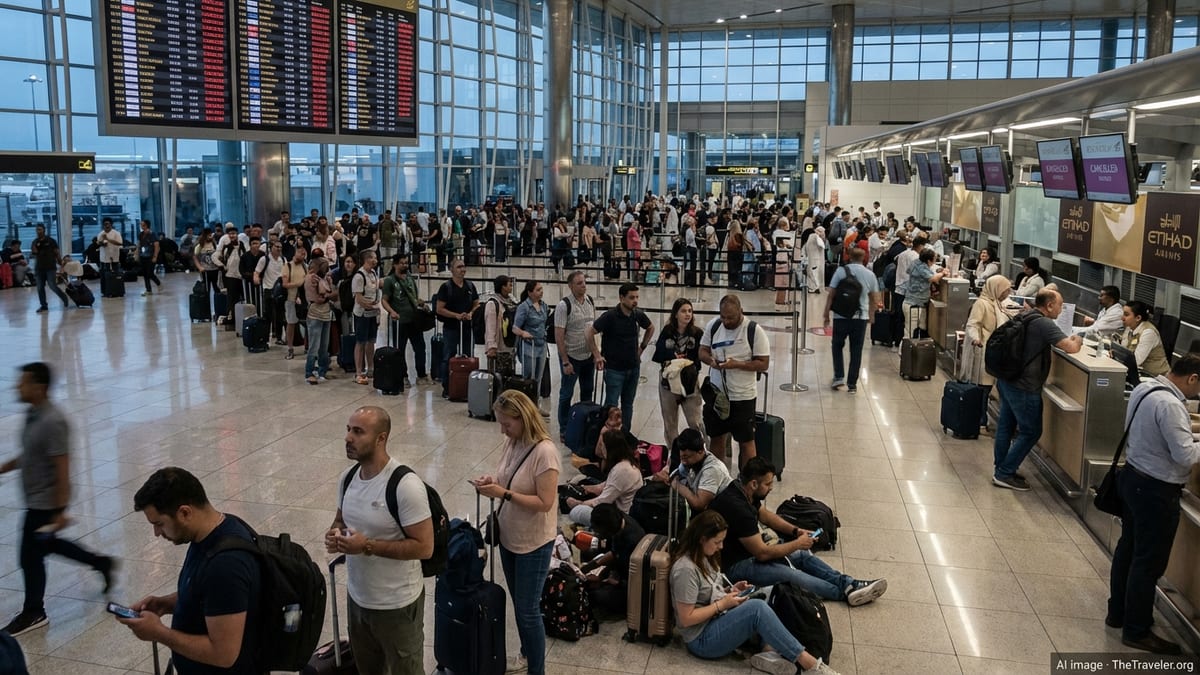
Emirates has issued an urgent summer travel alert for passengers flying from Dubai this week, warning of heavy crowds, longer queues at check in and security, and strict cut off times as the peak holiday rush collides with regional disruptions and extreme heat.
Get the latest news straight to your inbox!
A Busy Week At One of the World’s Busiest Hubs
Publicly available information from Emirates and Dubai media indicates that the airline is preparing for one of its busiest weeks of summer departures from Dubai International Airport, with passenger volumes expected to surge as school holidays and major sporting events drive outbound travel.
Coverage in Gulf-based outlets reports that Emirates is urging customers departing from Dubai to arrive at the terminal at least three hours before their scheduled flight time, highlighting the likelihood of longer than usual waits at check in, immigration and security during peak periods.
Dubai International has already recorded record-breaking summer traffic in recent years, and analysts note that this year’s spike is occurring against a backdrop of schedule changes and a still-recovering regional aviation network. That combination raises the risk of bottlenecks at key pinch points throughout the airport if travelers do not build in extra time.
Industry trackers also point out that a series of capacity adjustments by Emirates going into June has concentrated demand on certain days and departure waves, making this week particularly sensitive to any knock on disruption such as weather, airspace restrictions or technical issues.
What Emirates Is Urging Passengers To Do Now
According to Emirates’ latest travel updates and local reporting, all Dubai departing passengers are being strongly encouraged to arrive at the airport no later than three hours before departure, to complete online check in in advance where possible, and to use early baggage drop facilities to avoid last minute queues.
The airline’s published guidance stresses that check in counters and bag drop close ahead of departure and that boarding gates can close up to 20 minutes before the scheduled time. With heavier traffic around Dubai International and busier internal shuttle routes between concourses, missing these deadlines may become more likely for passengers who cut it fine.
Passengers are also being reminded to verify terminal and gate information before leaving for the airport, as Emirates has implemented a number of operational changes and occasional aircraft swaps in recent months. Travel agents and aviation forums report that some customers have seen schedule tweaks within days of departure as the carrier adjusts its summer timetable.
Airport operations specialists say that the message to “not be late to your gate” reflects lessons learned from previous peak periods, when large numbers of travelers arrived close to departure and created sudden pressure on security lanes and immigration counters, even when overall capacity appeared sufficient on paper.
Regional Pressures, Weather And Security Checks Add To Strain
This summer’s warning does not exist in a vacuum. Aviation analysts highlight that Emirates is entering the peak season shortly after a period of regional disruption and temporary schedule reductions that affected its operations earlier in the year, prompting rebookings and a ripple effect across the network.
Industry data services tracking Emirates’ June schedules indicate that the airline trimmed a portion of its planned flights this month, reducing frequency on some routes while increasing others. While operations have largely normalized, the result is a network with less slack to absorb new disruptions precisely as holiday traffic accelerates.
Weather is another pressure point. Recent meteorological alerts for the UAE have flagged rising temperatures and periodic dust and wind episodes that can affect visibility and ground handling. Even when flights depart on time, such conditions can slow aircraft turnaround, baggage loading and airport transport, extending the time passengers spend in queues or on the move between facilities.
In parallel, global aviation is contending with tighter security protocols and, in some regions, enhanced screening linked to health and border control measures. Travel advisories for the wider Middle East encourage passengers to factor in possible additional checks for both people and baggage, which can lengthen processing times at already busy hubs such as Dubai.
How Dubai Travelers Can Reduce The Risk Of Summer Chaos
For travelers transiting or departing from Dubai in the coming days, practical steps can significantly reduce the risk of getting caught up in what Emirates has framed as an unusually intense summer rush.
Airline guidance and independent travel advice both emphasize completing online check in as soon as it opens, usually 24 hours before departure, and arriving at the airport with boarding passes ready and travel documents organized. This allows passengers to move more quickly through dedicated bag drop counters and reduces time spent at full service desks.
Passengers with flexibility are being encouraged by travel planners to avoid the busiest departure windows where possible, particularly late evening and overnight waves that see multiple long haul flights leave in rapid succession. Choosing mid day or mid week departures where available can help sidestep the worst crowding.
Travel experts also note that passengers should closely monitor their booking in the days before departure for any schedule or terminal changes and use official airline communication channels and airport announcements as their primary reference. Social media reports from recent travelers through Dubai suggest that those who arrived early and stayed attentive to gate information experienced relatively smooth journeys despite the crowds.
What This Week Signals For The Rest Of The Summer
Emirates’ urgent messaging this week is being read by industry observers as an early indicator of how strained global aviation could become as the northern hemisphere summer unfolds, particularly at major connecting hubs handling both point to point and transfer traffic.
Airline scheduling data, combined with travel demand forecasts, suggest that Dubai is likely to remain under sustained pressure through July and August, even if additional capacity is restored after the current round of adjustments. That may mean that the current call to arrive early and prepare for delays will continue well beyond this week.
Travel analysts point out that while Emirates has built a reputation on efficient connections and premium service at its home base, the carrier is operating within a broader ecosystem that includes airspace constraints, regional security considerations and global aircraft availability issues. Any of these factors can quickly tip a busy travel day into a chaotic one if passengers and operators are not prepared.
For now, the clear message to anyone flying out of Dubai with Emirates is simple: treat this week’s advisory as a sign of the season ahead. Building in extra time, staying flexible and planning for crowds may be the difference between a smooth start to a summer journey and being left behind at the gate.