


More news on this day
New funding and local transport strategies in northern England are combining to make family travel in and around the Lake District cheaper and easier, with free bus initiatives and low-cost shuttle services helping visitors leave the car at home while still reaching headline fells, lakeside villages and family attractions.
Get the latest news straight to your inbox!
Free and Low-Cost Bus Schemes Target Lake District Corridors
Publicly available planning documents show that councils covering the Lake District are using government-backed bus improvement funds to trial and expand free bus travel on key visitor corridors. A delivery framework from Westmorland and Furness Council, updated in 2024, highlights work on free bus travel along the A591, the main route threading through popular Lake District destinations. The corridor links gateway towns with lake shores and walking hubs, making it a focal point for both residents and tourists.
Alongside local council activity, England’s national concessionary travel scheme continues to underwrite free off-peak bus journeys for older and eligible disabled passengers on local services, including those operating in and around the national park. This long-running policy effectively gives many grandparents cost-free access to buses when travelling with families, encouraging multi-generational trips that rely less on private cars at busy times of year.
Bus improvement plans in Cumbria also outline ongoing subsidies and capital support to keep rural routes viable in the Lake District’s scattered communities. Reports indicate that national grants and local investment are being used to sustain services that might otherwise struggle outside the main summer season, helping ensure that free or discounted family tickets are offered on networks that remain frequent enough to be practical for visitors.
Shuttle Buses Open Up Iconic Valleys Without a Car
To reduce congestion and parking pressure in some of the region’s best-known valleys, the Lake District National Park Authority and transport partners continue to back seasonal shuttle buses that serve walking and sightseeing hotspots. Information published by the park and regional tourism bodies points to services linking market towns such as Cockermouth with lakeside destinations including Buttermere, alongside routes into Wasdale and other popular hiking areas.
Some of these shuttle operations advertise free or heavily discounted travel for young children, making them attractive for families seeking simple point-to-point journeys rather than complex timetables. Promotion materials emphasise that under-fives often travel free and that family tickets can cap the cost of day-long bus-based exploring, even when the headline service itself is not entirely free for all passengers.
In practice, these shuttle routes give families without a car access to starting points for classic low-level lakeside walks as well as more demanding fell routes. The services are generally timetabled to match peak visitor hours in summer and on bank holidays, enabling day trips that begin and end in rail-linked towns while keeping traffic out of narrow valley roads where parking supplies are limited.
Open-Top Lakeside Services Turn Transport Into an Attraction
Tourism information for the Lake District highlights a network of frequent lakeside buses that are increasingly marketed as part of the holiday experience rather than just a means of getting around. Open-top double-deckers on routes such as the Lakesider-branded services between Kendal, Windermere, Ambleside and Grasmere are promoted as scenic journeys that deliver uninterrupted views of lake shores and surrounding fells.
Operators have introduced modern vehicles, seasonal frequency increases and simple day tickets that can cover entire families across multiple journeys. Travel guides note that combined boat and bus tickets, as well as capped group fares, are designed to make it cheaper to mix public transport with lake cruises and visitor attractions, especially for parents travelling with several children.
For younger visitors, the ride itself can be as memorable as the destination. Regional tourism campaigns encourage families to build itineraries around these bus routes, using them to hop between playgrounds, lakeside piers, visitor centres and short countryside walks. The shift toward presenting buses as an integral part of the Lake District experience supports broader policy aims to normalise car-free holidays.
Family-Friendly Fares and Free Travel Extend Beyond Tourists
While visitors are a visible focus of Lake District transport marketing, free and discounted bus travel in the region is also shaped by policies aimed at local communities. The English National Concessionary Travel Scheme entitles eligible older and disabled residents to free off-peak bus travel across England, which includes local services running through many of Cumbria’s rural settlements and tourist towns.
Council documents and parliamentary reports indicate that these concessionary journeys contribute significant revenue to rural routes, helping them survive outside the peak season. In turn, that support underpins the networks that families rely on when they arrive for holidays, since the same buses that carry local pass holders during the week also connect campsites, guesthouses and attractions at weekends and in school breaks.
In parts of England, separate youth-focused passes and capped flat fares are being used to encourage bus use among under-25s. Although many of these products are tailored to specific regions, they reflect a wider policy direction that favours low-cost or free bus travel for young people. Industry observers suggest that such measures may influence future offers in other areas, including national parks where sustainable visitor transport is a strategic priority.
Car-Free Lake District Holidays Gain Momentum
Tourism bodies promoting the Lake District increasingly frame car-free travel as both practical and desirable, appealing to families who want to combine environmental considerations with stress-free holidays. Official visitor information stresses that mainline rail connections to hubs such as Oxenholme, Penrith and Windermere link smoothly with buses into the heart of the national park, allowing visitors to start exploring without hiring a car.
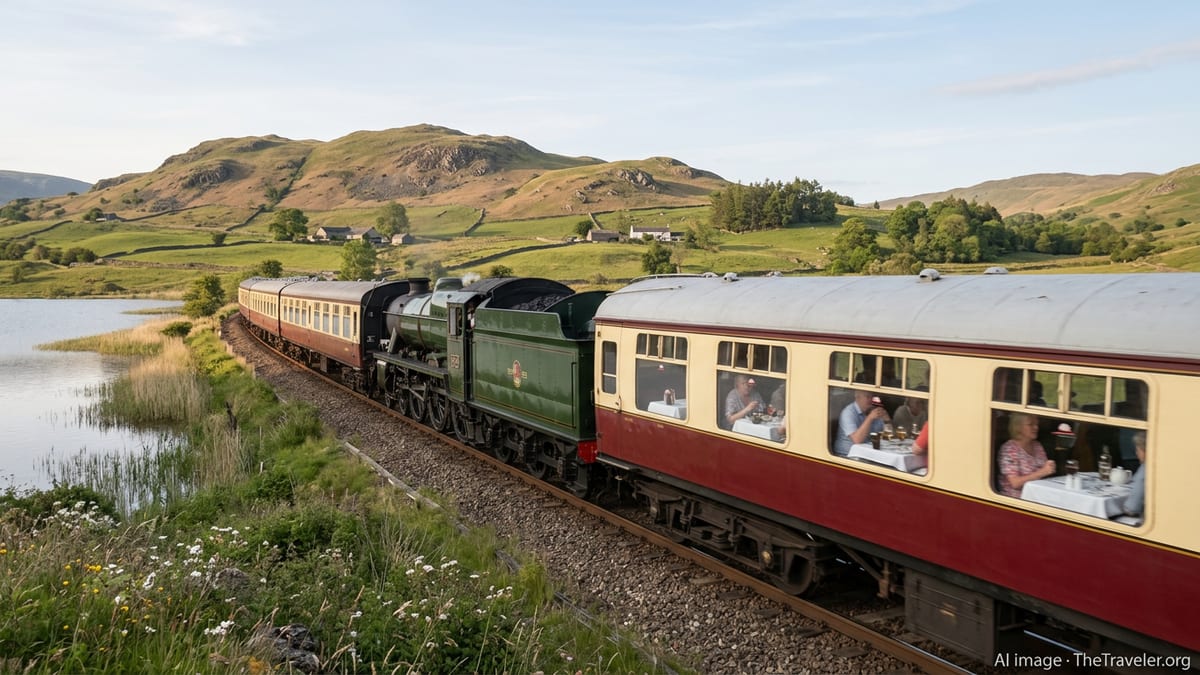
Guides produced by local tourism organisations present sample itineraries that rely exclusively on buses, boats and short walks. These include suggestions for multi-stop family days combining steam railways, lake cruises, museums and outdoor play areas, often pointing out where free shuttle buses or inclusive family tickets reduce total travel costs. Such materials are designed to reassure parents that timetables are manageable, even with younger children in tow.
Public messaging from the national park and local authorities sets clear ambitions to increase the share of visitors who arrive and move around using sustainable transport. The growing presence of free buses on selected corridors, expanding shuttle services into popular valleys and a suite of child- and family-friendly ticketing options all point toward a Lake District where buses are central to the classic family escape, rather than a back-up for those without a car.