


More news on this day
Last-minute cancellations of IndiGo flights from Ahmedabad to Nashik and Bhopal on November 12 left scores of passengers stranded at Sardar Vallabhbhai Patel International Airport, prompting angry scenes at airline counters and fresh scrutiny of how sudden disruptions are handled on domestic routes.
Get the latest news straight to your inbox!
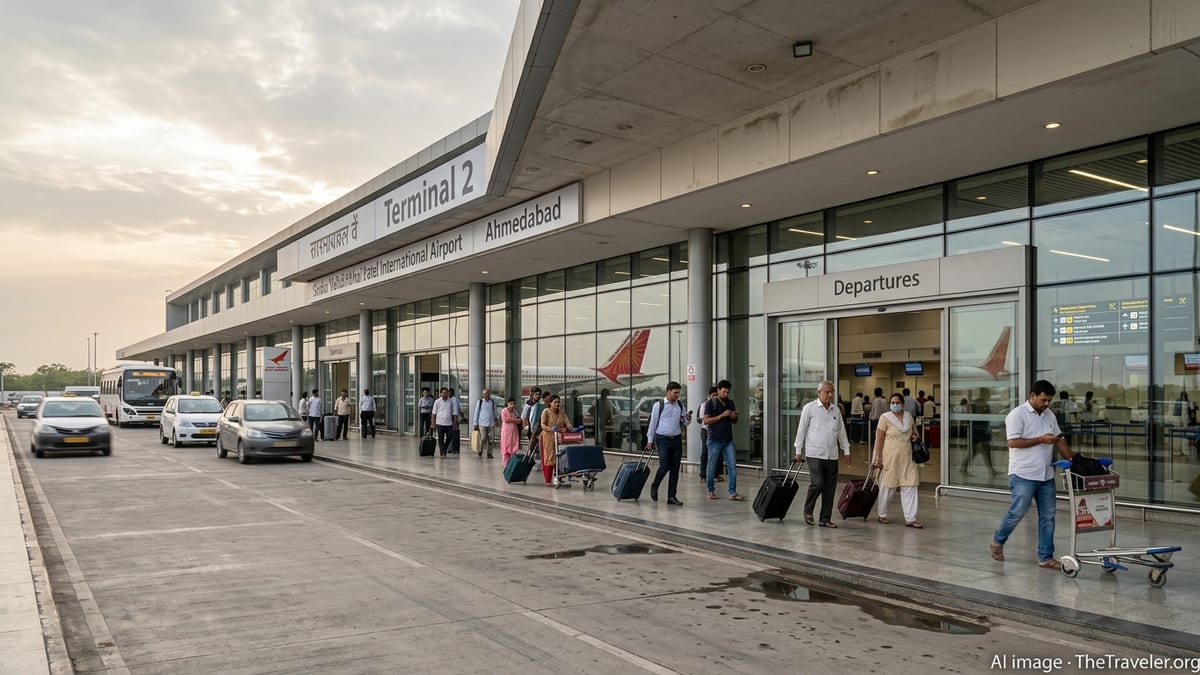
Flights Cancelled After Boarding and Baggage Drop
Regional media reports from Ahmedabad indicate that an IndiGo service to Nashik and another to Bhopal, both scheduled to operate on November 12, were cancelled shortly before departure, after passengers had already completed check in, baggage drop and, in several cases, boarding procedures. Coverage in Gujarati-language outlets describes the announcement coming only once passengers were at the gate area, with baggage tagged and loaded, leaving little time for travellers to adjust plans.
Reports suggest that the Ahmedabad Nashik flight was cancelled roughly an hour before its scheduled take off, while the Ahmedabad Bhopal service was also pulled from the day’s schedule at short notice. Passengers quoted in local coverage said that flight information displays and mobile apps had continued to show the services as operating on time until shortly before the cancellations were announced over the public address system inside the terminal.
Details on the exact flight numbers and the specific operational reason have not been publicly disclosed in the coverage reviewed. However, accounts from the scene consistently describe the cancellations as abrupt and coming after most formalities for departure had already been completed, a pattern that tends to compound the impact on travellers compared with changes notified earlier in the day.
For many passengers, the late timing meant that alternative transport options to Nashik and Bhopal were either sold out or priced significantly higher by the time they were able to search for replacements, further adding to frustration at the airport.
Stranded Passengers Confront Staff at Ahmedabad Airport
Video and photo material carried by local news platforms show clusters of passengers gathered around IndiGo counters at Ahmedabad, arguing with staff members and demanding clarity on rebooking or refunds. Some reports describe passengers staging a sit in near the check in zone, while others refer to raised voices and heated exchanges as travellers sought written assurances on compensation and onward travel.
Several passengers reported in the regional press claimed that they had not received advance text messages or emails about the cancellations, learning about the disruption only after arriving at the airport. Others said that, despite the cancellations, boarding passes had already been issued and security checks completed, which intensified perceptions that communication had lagged behind operational decisions.
Accounts from the terminal indicate that airline personnel offered options such as full fare refunds or seats on later flights via other cities, subject to availability. However, passengers quoted in coverage from Ahmedabad said that rebooked itineraries often involved long connections, overnight waits or detours through hubs such as Mumbai or Delhi, stretching what should have been short regional hops into journeys lasting many hours.
The visible anger at the airport echoed scenes witnessed during wider disruption events for IndiGo over the past year, when long queues formed at counters and passengers in multiple cities complained publicly about sudden schedule changes and a lack of timely updates.
Part of a Wider Pattern of IndiGo Disruptions
The cancellations at Ahmedabad come against a backdrop of broader operational turbulence for IndiGo, India’s largest carrier by market share. Publicly available information from government and regulatory statements shows that the airline has experienced several waves of large scale delays and cancellations in recent months, prompting inquiries and reviews by aviation authorities.
During a period of severe disruption in late 2025, official data indicated that IndiGo cancelled thousands of flights across its domestic network over a span of days, with hundreds of thousands of passengers affected. Investigations ordered at the time examined whether crew rostering, aircraft availability and compliance with new duty time rules had been managed adequately, and regulators directed the airline to expedite refunds and extend additional vouchers to customers on top of standard compensation.
More recent media coverage from various airports has continued to highlight instances of last minute cancellations and lengthy delays on key IndiGo routes. Reports have described passengers at hubs such as Delhi, Mumbai, Goa and Bengaluru facing abrupt changes to departure times, sometimes after boarding had begun, and using grievance platforms or social media to publicise their experiences.
In this context, the Ahmedabad Nashik and Bhopal cancellations are being viewed by many travellers and commentators as another example of the ongoing reliability concerns surrounding domestic air travel, particularly on routes dominated by a single carrier where alternatives can be limited at short notice.
Rules on Passenger Rights and Compensation in India
The situation at Ahmedabad has renewed interest in what protections are available to air travellers in India when flights are cancelled close to departure. Under current regulations set out by the Directorate General of Civil Aviation, airlines are required to offer a choice between a full refund and an alternative flight when a service is cancelled, with additional compensation potentially applicable depending on the timing of the notice and the circumstances of the disruption.
Guidelines published in recent years specify that if a cancellation is communicated within certain time windows before departure and is within the airline’s control, passengers may be entitled to fixed compensation amounts, as well as meals and hotel accommodation in cases of extended delays. However, if disruptions are attributed to factors such as severe weather or air traffic control restrictions, monetary compensation obligations can be reduced, though carriers are still expected to assist with rebooking or refunds.
Government advisories issued after earlier waves of IndiGo cancellations have encouraged affected passengers to use official grievance redressal channels if they believe airlines have not provided the refunds, vouchers or assistance required under the rules. This includes escalation options through national aviation portals if first level complaints with the carrier do not result in a satisfactory resolution.
For passengers at Ahmedabad on November 12, the practical value of these protections will depend on how quickly refunds are processed, whether alternate flights were provided at no additional cost where possible, and how transparently the reasons for the last minute cancellations are communicated in subsequent correspondence.
Impact on Regional Connectivity Between Gujarat and Madhya Pradesh
The abrupt cancellation of the Nashik and Bhopal flights from Ahmedabad also highlights the vulnerability of regional connectivity when single daily services or limited frequency routes are withdrawn at the last moment. For business travellers, students and pilgrims relying on these links between Gujarat and neighbouring states, a missed flight can mean lost workdays, rescheduled appointments or the need to undertake overnight road or rail journeys at short notice.
IndiGo has played a key role in connecting tier two and tier three cities through its domestic network, including sectors such as Ahmedabad Nashik, Ahmedabad Bhopal and other short haul routes that do not always attract multiple airlines. When such flights are cancelled close to departure, the lack of competing carriers on the same city pair can leave passengers with few same day alternatives other than indirect routings or surface transport.
Travel industry observers note that confidence in regional air services is especially important during busy periods, including long weekends, festivals and exam seasons, when demand spikes and the tolerance for last minute disruption is low. Regular incidents of sudden cancellations can influence how travellers plan future journeys and may push some to revert to rail, bus or private car for routes perceived as less dependable by air.
As reports of the Ahmedabad episode continue to circulate, attention is likely to focus not only on immediate remedies for the passengers affected on November 12, but also on whether additional measures by operators and regulators can reduce the likelihood of similarly disruptive last minute cancellations on regional routes in the months ahead.