


More news on this day
An Envoy Air Embraer E170 operating as American Airlines flight MQ3910 from Chicago O'Hare to Traverse City returned to its departure airport after departure, according to publicly available tracking and schedule data.
Get the latest news straight to your inbox!
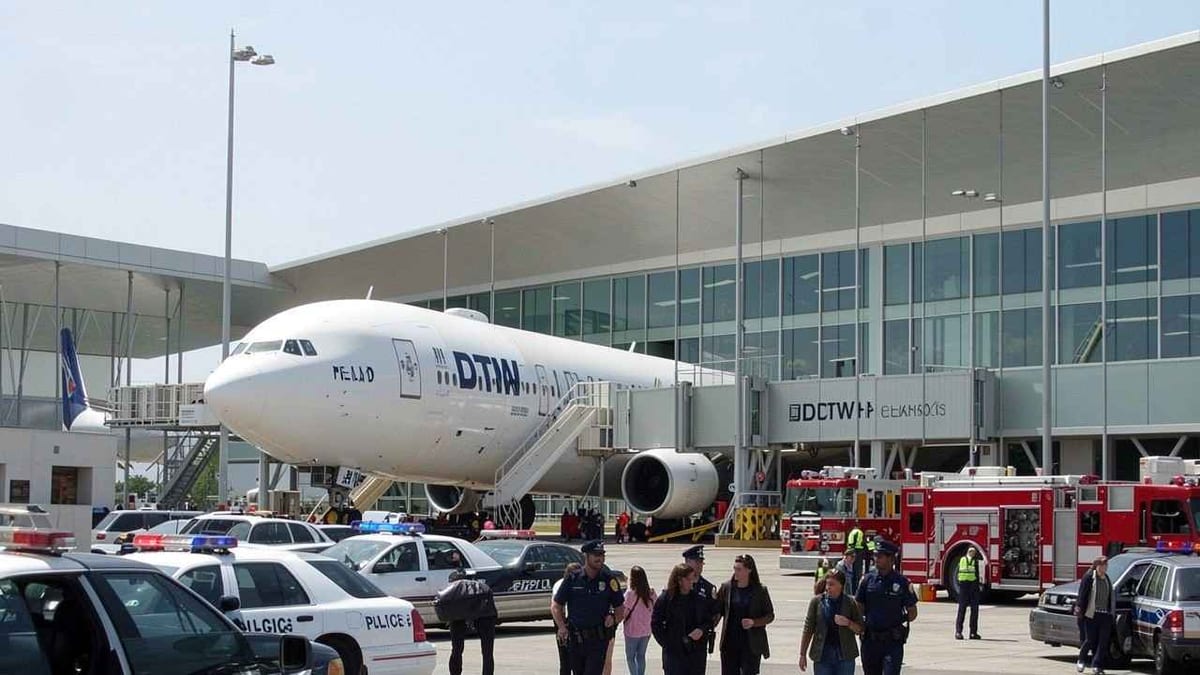
Chicago to Traverse City Flight Interrupts Evening Schedule
Flight MQ3910 is a regularly scheduled evening service from Chicago O'Hare International Airport to Traverse City’s Cherry Capital Airport, typically operated by Envoy Air on Embraer E170 equipment under the American Eagle brand. Planning documents list the flight as a late departure from O'Hare, positioning it to arrive in northern Michigan close to midnight local time.
On the day of the incident, tracking platforms and schedule records indicate that the aircraft departed Chicago but did not continue along the usual northbound routing toward Lake Michigan and Traverse City. Instead, data show the regional jet turning back toward the Chicago area and subsequently returning to O'Hare, interrupting the normal pattern of operations on this city pair.
The diversion affected a peak-summer evening in one of the United States’ busiest hubs. O'Hare frequently manages a dense bank of regional departures to Midwest and Great Lakes markets at that time of night, so any unexpected return can create ripple effects for both passengers and airline operations.
Limited Public Details on Reason for Return
As of the latest available information, no formal public statement specifically detailing the cause of MQ3910’s diversion back to Chicago has been published. Flight status portals and operational databases consulted for this report list the event as a return to the origin airport, but do not classify the diversion under a publicly visible category such as weather or air traffic control initiative.
In similar cases involving regional aircraft operating from O'Hare, diversions and returns to the gate can stem from a wide range of factors including technical issues, weather-related constraints along the route, crew duty-time limitations, or traffic management programs in the surrounding airspace. Current records for MQ3910, however, do not specify which of these possibilities, if any, applied in this particular instance.
Chicago has seen several recent periods of operational strain, including weather systems and traffic management advisories that triggered diversion recovery procedures. Industry observers note that such conditions can increase the likelihood that flights departing in the evening window may be adjusted, delayed, or rerouted when even minor issues arise.
Impact on Passengers and Northern Michigan Connectivity
The return of MQ3910 to O'Hare likely disrupted evening travel plans for passengers bound for Traverse City, a market that relies heavily on regional jet links for both business and leisure traffic. The Chicago to Traverse City corridor is a key feeder route connecting a popular northern Michigan destination with American Airlines’ broader domestic and international network.
For travelers, an unplanned return to the origin airport can mean missed hotel check-ins, delayed ground transportation plans, and uncertainty over rebooking options. In comparable diversion events, passengers are often accommodated on later flights, rebooked for travel the following day, or offered alternative routings through other hubs when capacity is available.
The timing of the flight also narrows same-day alternatives. Late evening services into smaller regional airports typically have limited backup options, so any significant disruption may extend itineraries into the next calendar day. Travel planning experts frequently advise passengers on such routes to build flexibility into onward arrangements during peak summer, when weather and congestion can combine to reduce schedule resilience.
Operational Context at Chicago O'Hare
Chicago O'Hare’s role as a major connecting hub for American Airlines and its regional affiliates means that single-flight irregularities can interact with a broader web of aircraft rotations and crew assignments. A return to the airport for a regional jet may require adjustments to subsequent overnight positioning flights or early-morning departures, particularly when the aircraft is scheduled to continue to other cities after reaching Traverse City.
Publicly accessible air traffic advisories and historical airport data show that O'Hare frequently operates under complex traffic management initiatives, especially during summer months. These may include ground delay programs, flow control measures, or diversion recovery efforts after weather events in the upper Midwest, all of which can tighten operating margins for regional carriers.
Envoy Air, as an American Airlines regional subsidiary, operates a large Embraer fleet from O'Hare, concentrating many short-haul flights into tightly timed departure banks. Aviation analysts note that within such an environment, even a precautionary return of a single aircraft can require careful coordination across dispatch, maintenance planning, and crew scheduling teams to keep the broader operation stable.
Heightened Attention to Regional Jet Reliability
The MQ3910 diversion highlights the ongoing operational focus on reliability in regional jet operations serving smaller communities. Embraer E170 and related models form the backbone of many hub-to-small-city networks in the United States, including routes from Chicago into Michigan and neighboring states.
Industry research and historical data underscore how even brief disruptions on regional segments can propagate through an airline’s daily schedule, particularly at high-traffic hubs like O'Hare. That dynamic is especially visible in peak travel periods when aircraft utilization is elevated and spare capacity is limited.
While diversions and returns remain statistically uncommon relative to the total number of daily departures, events such as the MQ3910 turnaround are closely watched by frequent flyers and aviation observers who track performance on key regional routes. For passengers planning upcoming trips between Chicago and Traverse City, travel experts often recommend monitoring flight status closely on the day of departure and allowing additional time in itineraries that rely on late-evening regional connections.