


More news on this day
Air travel across Europe faced another bruising day as 106 flights were cancelled and 2,002 delayed, disrupting schedules in France, the United Kingdom, Austria, Türkiye, the Netherlands, Ireland, Hungary and other countries, with major carriers including Air France, Pegasus, easyJet and KLM heavily affected at hubs such as Paris, Istanbul, Dublin and Vienna.
Get the latest news straight to your inbox!
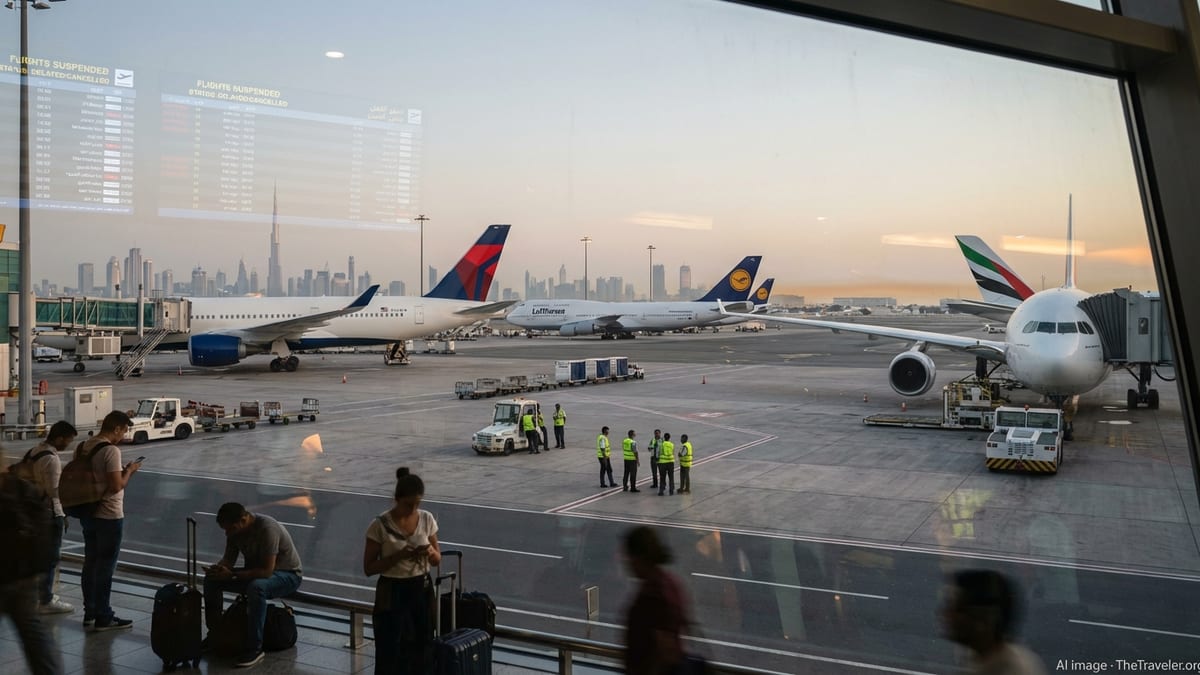
Widespread Disruption Across Multiple European States
Published coverage and live tracking data indicate that the latest wave of cancellations and delays stretched across a broad swath of European airspace, from France and the United Kingdom to Austria, Türkiye, the Netherlands, Ireland and Hungary. The figures, compiled from flight-tracking services and regional aviation reports, point to at least 106 outright cancellations and 2,002 delayed departures and arrivals within a single operational window.
Major hubs in these countries, including Paris Charles de Gaulle, Paris Orly, London Gatwick, London Luton, Vienna International, Istanbul Sabiha Gökçen, Amsterdam Schiphol, Dublin Airport and Budapest Ferenc Liszt International, all reported knock-on schedule issues. The impact was felt on both intra-European services and longer-haul routes that rely on these airports as connection points.
Network performance summaries for early summer 2026 show that delays had already been trending above target levels. European network overviews have highlighted how a mix of weather events, staffing constraints and capacity issues continues to generate elevated air traffic flow management delays, leaving airlines and airports with limited margin to absorb fresh shocks.
Against that backdrop, even a seemingly modest number of primary cancellations and a few thousand delayed flights can trigger broad disruption. High aircraft utilization, tight turnarounds and heavily banked hub schedules mean that a single lost rotation in Paris or Amsterdam can cascade through multiple countries and carriers over the course of the day.
Air France, KLM, easyJet, Pegasus and Others Under Pressure
Publicly available airline updates and independent reporting indicate that Air France and KLM again faced significant strain at their core hubs in Paris and Amsterdam. Earlier in 2026, coverage of the jet fuel supply squeeze and broader capacity challenges had already noted that KLM alone had cut or cancelled well over one hundred European flights over the early summer period, with Air France adjusting parts of its long and medium haul programme.
Low cost carrier easyJet, a dominant presence at several UK and continental hubs, has also been a recurring feature in disruption statistics. A recent incident documented by aviation-focused outlets described more than 30 easyJet cancellations and hundreds of delays in a single day across London, Paris and Amsterdam, illustrating how concentrated networks and high load factors can magnify operational stress when weather or air traffic constraints hit.
In Türkiye, Pegasus Airlines has continued to grow aggressively out of Istanbul, adding capacity across Europe. Industry analyses of the airline’s expansion show that such growth has raised its exposure to network-wide disruptions. When congestion builds up in central European airspace or at major hubs that Pegasus serves, rotational delays can quickly spread through its schedule, feeding into the broader total of delayed services counted across the continent.
Other European and regional carriers, including flag airlines in Austria, Ireland, Hungary and the Netherlands, were pulled into the same web of disruption through shared airspace, code-shares and common connection banks at key hubs. While many flights ultimately operated, they did so with extended departure queues, missed slot times and longer ground holds than passengers had expected at the start of the busy summer period.
Weather, Strikes, Fuel and Border Rules Behind the Numbers
No single factor appears to explain the 106 cancellations and 2,002 delays. Instead, the pattern matches broader 2026 trends in which several structural and short term issues combine to undermine schedule reliability. Network reports from European air traffic management bodies highlight intermittent storms, strong winds and convective weather that continue to trigger capacity restrictions, reroutes and spacing measures across the continent.
At the same time, industrial action remains a recurring threat. A recent walkout by air traffic controllers in Belgian airspace, for example, temporarily halted many flights below a certain altitude and forced detours and delays for overflying services. Similar actions in France in previous months have shown how even localized strikes can cause widespread disruption as airlines reroute around closed sectors and lose time in longer routings or crowded alternative corridors.
The ongoing jet fuel supply challenges reported since early 2026 add another layer of complexity. Trade and aviation publications have documented how constraints on fuel availability have led some European airlines, including KLM and British carriers, to pare back parts of their schedules and adjust pricing. While fuel issues are not the proximate cause of every cancellation, they narrow the operating window for carriers already managing tight fleet and crew resources.
Border control changes are also weighing on operations. The forthcoming rollout of the European Union’s Entry/Exit System has raised concern among airline and airport groups that authentication at passport control could significantly slow passenger flows. Recent statements at industry gatherings noted that initial trials and limited deployments were already linked to longer queues and missed connections in some southern European states, suggesting a further potential source of delay as volumes rise.
Passengers Face Missed Connections and Crowded Hubs
For travellers, the headline figures translate into missed connections, abandoned itineraries and extended time in already busy terminals. Even when flights eventually depart, longer ground handling times and air traffic restrictions can stretch journeys well beyond scheduled durations, complicating onward travel by rail, ferry or additional flights.
Reports from affected airports indicate that queues at check in, security and border control intensified as delayed passengers remained in terminals longer than expected and new departing waves arrived on schedule. At large hubs such as Paris, Amsterdam and London, this produced periods in which infrastructure designed for high throughput was nonetheless strained by overlapping crowds and disrupted flight banks.
Airlines have reiterated through public advisories that travellers should monitor airline applications and airport information screens closely, arrive earlier than usual for flights during peak periods and be prepared for last minute gate or timing changes. Guidance based on European passenger rights regulations also emphasizes that, in many circumstances, carriers are required to offer rebooking, care and in some cases compensation when cancellations or long delays occur for reasons within their control.
Consumer advocates point out that understanding those rights can be crucial on days like this, when rolling operational issues across multiple countries and carriers create confusion about which delays stem from extraordinary circumstances such as severe weather, and which are connected to staffing, scheduling or resource decisions that place a clearer burden on airlines.
Summer Outlook: High Demand Meets Fragile Resilience
The latest disruption comes as European aviation heads into the core summer season with traffic levels rivalling or exceeding pre pandemic benchmarks. European air traffic overview reports for early 2026 show steady growth in total flights and passenger volumes, underscoring strong demand for leisure and business travel despite higher fares and lingering economic uncertainty.
At the same time, detailed analyses from Eurocontrol and industry consultancies describe a system operating with limited spare capacity. While network managers have introduced new procedures to reduce weather driven bottlenecks and to improve routing flexibility, delay indicators across several recent months remain above long term targets, particularly during peak travel weeks.
Airlines have responded with strategies that range from trimming the most delay prone rotations to banking additional turnaround time and urging passengers to choose longer connection windows. Yet the events that produced 106 cancellations and 2,002 delays across Europe illustrate how the combination of strong demand, volatile weather, intermittent strikes, fuel constraints and evolving border controls continues to test the resilience of the continent’s air transport system.
With school holidays and major summer events approaching, aviation analysts caution that Europe’s skies and airports are likely to see further days of significant disruption. Travellers planning trips through hubs in France, the UK, Austria, Türkiye, the Netherlands, Ireland, Hungary and neighbouring states are being advised, through public information channels, to build extra flexibility into their plans and to stay alert to rapidly changing flight conditions.