


More news on this day
Air travel across Europe faced fresh disruption on May 27 as delays to more than 1,600 flights and dozens of cancellations in Italy, the Netherlands, Spain and Switzerland rippled through major hubs including Zurich and Amsterdam, affecting services operated by Lufthansa, easyJet, Ryanair and several other carriers.
Get the latest news straight to your inbox!
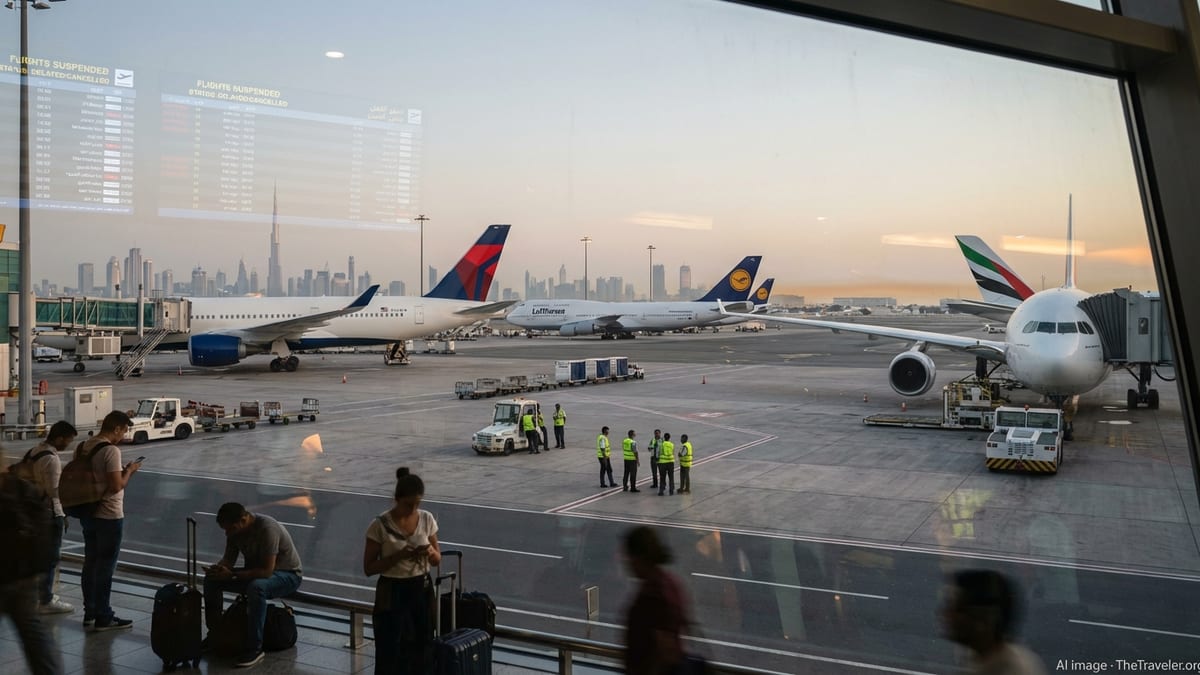
IT Outage in Amsterdam Adds To Europe’s Congested Skies
Operations at Amsterdam Schiphol were hit by an information technology outage early on May 27, with airport updates indicating that intra European services were particularly affected. Publicly available information shows that many flights were delayed, while some departures were cancelled altogether as check in, boarding and baggage handling systems experienced disruption.
Schiphol is among Europe’s busiest hubs, handling large volumes of connecting traffic between the United Kingdom, continental Europe and long haul routes to North America and Asia. Even a short term outage can quickly translate into missed connections and aircraft being out of position. Airline schedules reviewed on Tuesday showed knock on delays building through the morning as carriers attempted to recover rotations.
Low cost and network airlines alike were affected, with services marketed by KLM, easyJet, Ryanair and other European operators all showing delays on departure boards. Travellers heading to and from Amsterdam were advised in public notices to check the status of their flight before leaving for the airport and to allow extra time for security and boarding while systems were gradually restored.
The disruption in Amsterdam coincides with a period of heightened strain on European aviation capacity, as airlines manage fuel related schedule cuts, lingering staffing gaps and a busy late spring travel period. For passengers with onward journeys, even modest delays out of Schiphol can mean forced overnight stays or last minute rebookings through alternative hubs.
Strikes and Structural Cuts Compound Disruption in Italy and Switzerland
The latest wave of delays comes on the heels of significant industrial action and structural schedule changes in other parts of Europe. Earlier in May, coordinated strikes in Italy involving air traffic control, airport security and airline ground staff led to hundreds of cancellations and rerouted flights. Visa and travel advisory services reported that Italian flag carrier ITA Airways was forced to ground a substantial share of its timetable, while foreign airlines adjusted routings to avoid congested airspace.
Switzerland has also felt the impact of labour disputes at neighboring carriers. Public reports from April indicated that a Lufthansa cabin crew strike resulted in dozens of cancellations at Swiss airports, including multiple services to and from Zurich. As a key transfer point for business travel in and out of the country, Zurich’s reduced feeder links highlighted the vulnerability of tightly timed regional connections when a major carrier adjusts its operations.
Alongside strike related disruption, Lufthansa Group has embarked on a structural reduction of its summer schedule. Industry analysis of the group’s April announcement notes that around 20,000 flights between spring and October 2026 are being removed, with roughly 120 daily services cut from the network in response to higher jet fuel costs and broader capacity constraints. These planned cancellations reduce overall flexibility in the system and leave fewer alternative seats when unplanned events such as an IT failure or local strike occur.
For travellers heading to Italian destinations via Zurich, Munich or Frankfurt, the combination of past strikes, long term schedule cuts and the latest operational snags means slimmer options if flights are delayed or cancelled at short notice. Booking data and expert commentary suggest that popular leisure routes to Rome, Naples and Spanish cities are among those where spare capacity is already tight.
Spanish and Wider European Hubs Feel the Knock On Effects
Spain’s key gateways are also contributing to the continent wide picture of disruption. Coverage from travel outlets on May 26 described more than 220 delayed flights and several cancellations at Madrid Barajas, affecting services by Iberia, Ryanair, Air Europa, TAP Air Portugal and easyJet. Those delays disrupted onward journeys to other European hubs, including Amsterdam, Lisbon, London and Paris.
When Madrid, one of southern Europe’s main connecting points, experiences heavy disruption, the effects can radiate across the network for many hours. Aircraft scheduled to operate later rotations into northern Europe arrive out of sequence, while crews reach duty time limits more quickly. Schedules reviewed on Tuesday suggested that some of these late arriving aircraft were due to operate services into Zurich and other central European airports, increasing the risk of follow on delays.
Elsewhere in Europe, recent runway issues at Glasgow and industrial actions in Germany and France have added further strain. Data collated by passenger rights organisations earlier in the spring pointed to more than 2,000 delayed flights and dozens of cancellations across a single day of Europe wide airline strikes, with Lufthansa, easyJet, Ryanair, KLM and Swiss among the most affected brands. For travellers making multi leg journeys through hubs such as Zurich and Amsterdam, each localised event raises the probability of missed connections.
The result is a patchwork of disruptions that interact across borders. A staffing shortage at an Italian airport, a runway closure in Scotland or an outage in the Netherlands can all contribute to a situation in which aircraft and crews are not where they are expected to be, amplifying the effect on passengers far beyond the original problem airport.
Impact on Passengers Flying Lufthansa, easyJet, Ryanair and Others
Publicly available tracking data and airport statements show that passengers flying with Lufthansa, easyJet, Ryanair and several other European carriers are among those facing the greatest disruption. As large operators with dense networks, these airlines have numerous daily rotations passing through hubs such as Amsterdam, Zurich, Frankfurt, Munich and Madrid, making them especially exposed when bottlenecks occur.
Analysts note that when multiple categories of disruption strike at once, such as IT failures layered on top of recent strikes and long term capacity cuts, rebooking options can quickly dry up. In past events documented by passenger advocacy groups, travellers have sometimes been offered itineraries involving overnight layovers or lengthy diversions to secondary airports when direct replacements were unavailable.
Under European and Swiss passenger rights frameworks, travellers on cancelled or heavily delayed flights may be entitled to rerouting or refunds and, in many cases, to meals and accommodation while they wait. Compensation payments can depend on the reason for the disruption, the length of the delay and whether the flight falls under European jurisdiction. Legal and consumer commentary this month has also underlined that fuel related schedule cuts do not automatically qualify as extraordinary circumstances that would exempt airlines from compensation obligations.
Given the current environment, travel management firms and specialist publications are advising passengers to monitor booking apps closely, retain boarding passes and delay notifications, and keep receipts for any additional expenses such as hotels or meals during unplanned stopovers. For business travellers, contingency plans including flexible meeting schedules and the option to switch to rail for shorter intra European legs are increasingly recommended.
What Travellers Should Expect in the Coming Days
Operational updates from airports and airlines on May 27 suggest that disruption at Amsterdam and other hubs may continue to affect European services for at least the remainder of the day as carriers work through backlogs. Once aircraft and crews fall out of position, it can take several rotations for schedules to stabilise, especially when fleets are already stretched by seasonal demand and prior cancellations.
Industry observers expect further pressure points as the late spring and early summer travel period ramps up. With Lufthansa’s structural cuts in place, Italian unions signaling the possibility of additional industrial action, and airports such as Madrid and Glasgow dealing with their own recent disruptions, the margin for error within Europe’s air travel system remains narrow.
For travellers, this means building more flexibility into itineraries. Travel advisories circulating in recent days recommend avoiding tight connections, particularly when transiting through hubs like Amsterdam, Zurich, Frankfurt and Madrid, and considering earlier departures when connecting to long haul flights. Passengers are also encouraged to review the latest official guidance on their rights in case of disruption and to ensure that travel insurance policies cover missed connections and extended delays.
While airlines and airports continue to adjust operations, passengers booked on near term journeys through Europe’s main hubs are likely to face a higher than usual risk of disruption. Close monitoring of flight status, awareness of available alternatives and an understanding of compensation rules can help mitigate some of the impact as the continent’s aviation network navigates another turbulent week.