


More news on this day
A punishing heatwave sweeping across much of Europe is turning the continent’s peak holiday season into a test of resilience for both travelers and tourism economies, as record temperatures strain infrastructure, disrupt transport and raise urgent questions about how safe summer travel can be in an era of escalating extremes.
Get the latest news straight to your inbox!
Record Temperatures Collide With Peak Tourist Season
The current European heatwave, the second major episode of extreme temperatures on the continent this year, is coinciding with the height of the tourist season from late June into August. Scientific assessments of the June and July heat indicate that large parts of France, Italy, Spain, Portugal, Germany and the Benelux countries have endured temperatures in the mid to high 30s Celsius, with some locations nearing or exceeding 40 degrees. Recent analysis from international climate research groups notes that Europe has now faced multiple consecutive summers of dangerous heat, with tens of thousands of excess heat-related deaths recorded in earlier seasons.
Publicly available information from meteorological agencies and attribution studies shows that this year’s event is being driven by persistent high-pressure systems that trap hot air over Western and Southern Europe, limiting overnight cooling and amplifying health risks for residents and visitors. In France, widespread red heat alerts have been in place at times for more than half the country’s departments, while Italian authorities have repeatedly placed major cities on their highest heat alert level. In Austria, national media report new temperature records, underscoring how far conditions have shifted from historical norms.
The timing could hardly be worse for tourism businesses that rely on July and August for a large share of annual revenue. In popular city destinations such as Rome, Paris and Barcelona, mid-afternoon street life has thinned markedly on the hottest days, with images and travel reports showing visitors crowding limited shaded areas and public fountains rather than historic sites. Tourism analysts note that extreme heat is no longer an occasional disruption but is becoming a defining feature of the European summer, forcing a reassessment of how destinations promote and manage the season.
Strain on Transport, Attractions and Visitor Safety
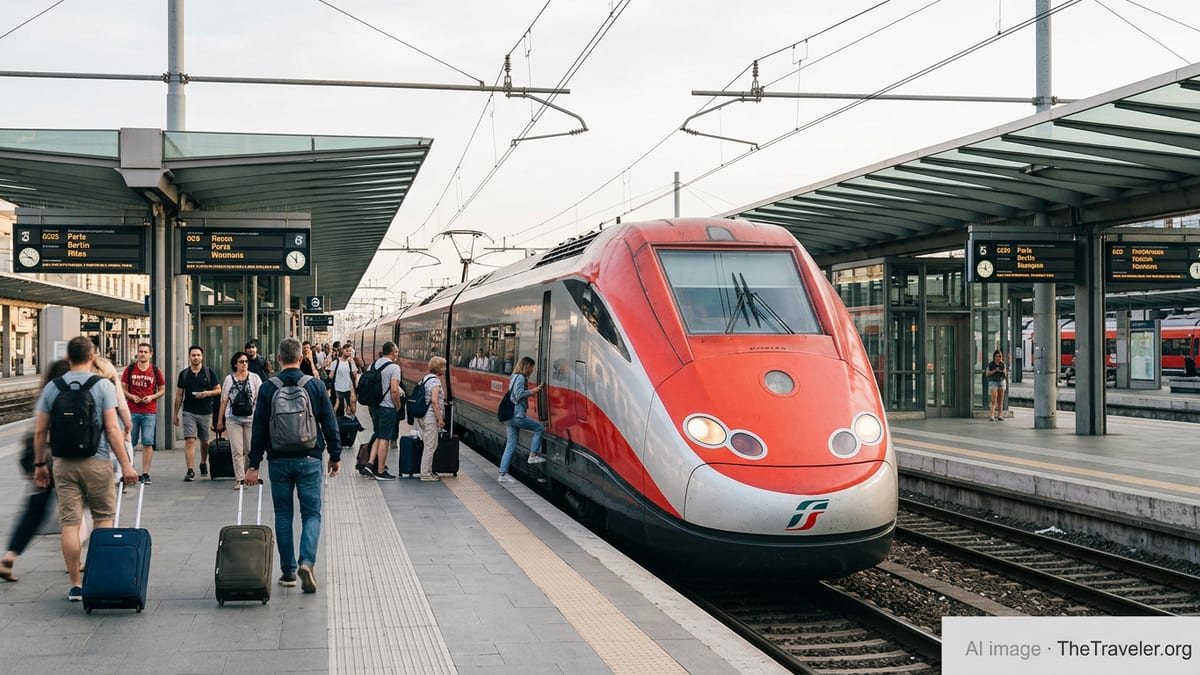
The intense heat is also exposing vulnerabilities in the infrastructure that underpins Europe’s tourism economy. Reports from rail operators and travelers indicate that some train services in France, Belgium and Germany have been reduced or slowed to lower the risk of heat-related damage to tracks and overhead lines. Urban transit networks in cities including Paris and Brussels have faced crowding and delays as commuters and tourists seek alternatives to walking in the sun.
Airports and airlines are contending with higher cooling costs, tarmac safety concerns and more frequent weather-related disruption, according to coverage from European media and aviation industry briefings. On particularly hot days, passengers have described longer waits on stationary aircraft and crowded terminals where cooling systems struggle to keep up. These operational challenges feed into a broader pattern identified by international tourism policy bodies, which have warned that extreme temperatures now routinely drive up operating costs, compromise service reliability and result in lost revenue during what would normally be the most profitable period of the year.
At the destination level, heat is reshaping how tourists can safely experience the places they came to see. Health agencies across Europe have reissued guidance advising people to avoid strenuous activity during midday hours, stay hydrated and seek air-conditioned spaces wherever possible. In Mediterranean resorts, local authorities have adjusted opening hours for outdoor attractions and encouraged beachgoers to limit direct sun exposure during the most intense heat. Travel forums and social media posts from recent visitors describe itineraries being rewritten on arrival, with early-morning sightseeing, long indoor breaks and late-evening activities replacing the traditional all-day city walk or beach stay.
Tourism Industry Under Pressure to Adapt
Against this backdrop, tourism businesses and destination managers are being pushed to adapt far more quickly than many had anticipated. An overview of recent policy reports from organizations such as the OECD highlights that extreme heat, drought and related wildfires are increasingly cited by countries as major operational threats to tourism, both through immediate damage and longer-term reputational impacts. Closures of outdoor attractions, cancellations of festivals and the temporary shutdown of heritage sites during red-alert periods are now recurring features of the European summer calendar.
Accommodation providers face growing scrutiny over their ability to offer safe and comfortable conditions as nights stay unusually warm. In parts of Southern and Western Europe, where older buildings and budget properties may lack full air conditioning, visitor reviews this season have increasingly focused on nighttime temperatures and indoor air quality. Hospitality trade groups are discussing the need for accelerated investment in cooling, shading and water efficiency, alongside staff training to recognize and respond to signs of heat-related illness among guests.
Tour operators and travel agencies are also reassessing product offerings. Industry commentary suggests a gradual shift away from heavily packed midday sightseeing schedules, with more emphasis on flexible itineraries, smaller group sizes and access to shaded or indoor spaces. Some operators are promoting alternative months such as May, early June and late September for city breaks and cultural tours, positioning the traditional peak summer as a period when travelers need to be more selective about destinations and activities.
Travel Demand Shifts Toward Cooler “Refuge” Destinations
The heatwave is not affecting Europe evenly, and that unevenness is beginning to reshape demand. Northern and Atlantic-facing destinations have emerged as relative winners in what some analysts and travel marketers are describing as a “coolcation” trend. Publicly available data from the European Travel Commission and national tourism agencies points to stronger than expected arrivals growth this year in countries such as Ireland and some Nordic destinations, where milder temperatures are increasingly framed as an asset rather than a drawback.
Media coverage in Ireland has highlighted how the country’s traditionally unpredictable weather, once seen as a major obstacle to beach holidays, is now a selling point for visitors seeking respite from sweltering conditions further south. Early-season statistics indicate a notable rise in international arrivals compared with previous years, a pattern that tourism strategists link directly to concerns about heat and wildfire risk around the Mediterranean. Similar narratives are emerging in coastal regions of the UK and northern France, even as those areas also face intermittent heat spikes of their own.
At the same time, there are signs that some travelers are questioning the wisdom of visiting Southern Europe in mid-summer at all. Online travel communities this season feature accounts from visitors cutting trips short or reconsidering planned itineraries that would have taken them through multiple cities experiencing temperatures above 35 degrees. Others describe shifting to higher-altitude destinations, such as parts of the Alps, or delaying travel to the shoulder seasons. These choices, aggregated across millions of travelers, could gradually erode the dominance of July and August in the European tourism calendar.
Rethinking the Future of Summer Travel in a Hotter Europe
The unfolding crisis is reinforcing a longer-term challenge: whether Europe’s tourism model, shaped around predictable seasons and crowded summer peaks, can hold in a climate where extreme heat becomes more common and more intense. Climate scientists involved in recent attribution studies on this year’s heatwave note that human-driven warming has significantly increased the likelihood of such events, suggesting that what once counted as exceptional may soon be considered typical.
Destination planners and policy makers are beginning to respond with a mix of short-term protective measures and longer-term strategic shifts. Short-term steps include heat action plans that integrate tourism needs into broader public health responses, expanded public cooling spaces in major tourist hubs, and clearer communication to visitors about risks and recommended behaviors during red-alert periods. In the longer term, tourism strategies under review across several European countries emphasize diversifying seasons, promoting lesser-known regions that are less exposed to extreme heat, and investing in more climate-resilient infrastructure.
For travelers, this summer’s disruptions offer a preview of what future European holidays may look like: more planning around weather windows, greater emphasis on safety and flexibility, and growing interest in destinations that can offer cultural and natural experiences without the threat of dangerous temperatures. For destinations that have long depended on selling sun and heat as their primary assets, the shift may prove challenging. Yet the current heatwave is underscoring that in a rapidly warming climate, the ability to keep visitors safe and reasonably cool is becoming as important as any postcard view.