


More news on this day
Last minute flight cancellations by IndiGo at Ahmedabad’s Sardar Vallabhbhai Patel International Airport have triggered angry scenes and sit in style protests from stranded passengers, drawing renewed attention to how India’s largest airline manages sudden disruption on some of its busiest domestic routes.
Get the latest news straight to your inbox!
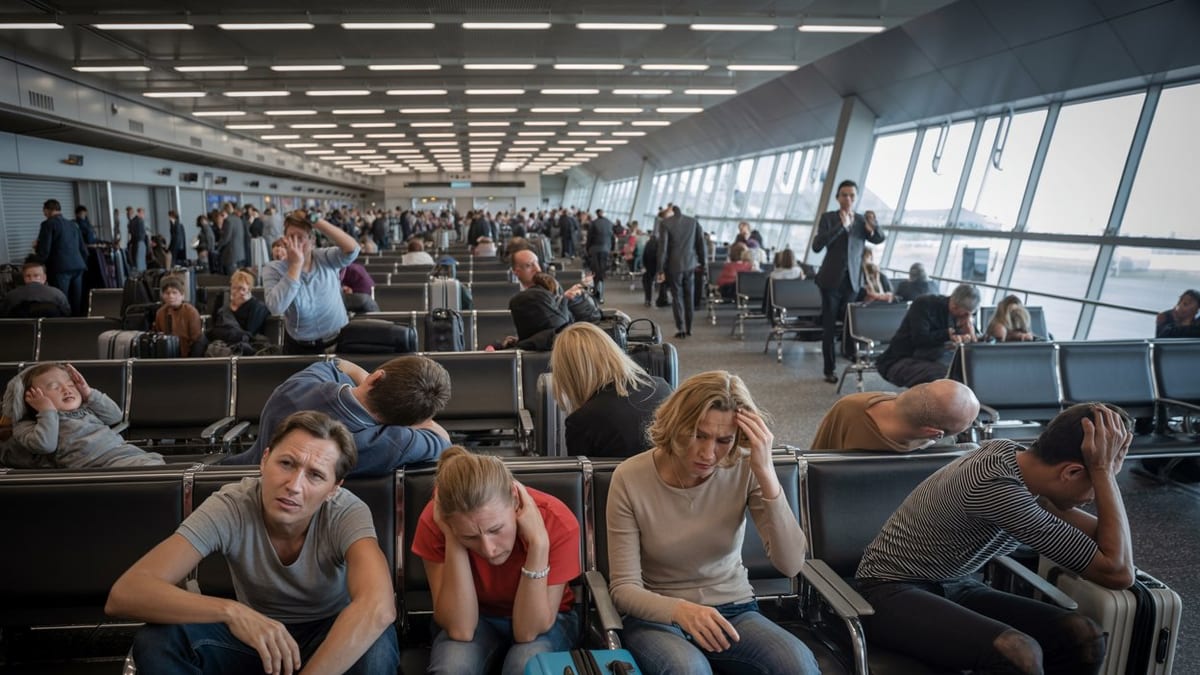
Airport Uproar After Abrupt IndiGo Cancellations
Recent coverage from Ahmedabad based outlets and television channels describes passengers gathering in large groups inside the terminal after IndiGo scrubbed multiple departures with little same day notice. Video reports show travellers raising slogans near IndiGo’s counters and demanding on the spot solutions, including either confirmed same day alternatives or immediate refunds.
One widely circulated clip from regional broadcasters shows a crowd at Sardar Vallabhbhai Patel International Airport surrounding airline desks after repeated cancellations and delays, with banners and captions referring to an “uproar” over IndiGo services. Separate Gujarati language reports highlight instances where passengers sat on the floor in protest inside the terminal concourse after their flights were cancelled shortly before expected boarding.
These scenes follow several weeks in which IndiGo has continued to adjust its network following a nationwide period of disruption tied to new crew duty norms and winter scheduling. Ahmedabad has been one of the airline’s larger bases, typically handling more than 150 IndiGo movements a day in the past winter season, so concentrated disruption there has had a visible impact on passenger flows through the city.
Specific Routes Under Strain From Network Changes
Reports from local business and civic news platforms point to particular stress on some regional and short haul routes touching Ahmedabad. One account details an Ahmedabad to Nashik service cancelled about an hour before departure, leaving ticketed passengers arguing over an offer to rebook them via Mumbai with a road connection to Nashik instead of a nonstop replacement.
Other publicly available information indicates that IndiGo has also withdrawn or temporarily halted certain international services touching Ahmedabad, including connections to Saudi Arabian cities after the airline suspended flights to Jeddah, Dammam, Madinah and Riyadh into late October because of regional security assessments. Travellers attempting to book later departures to Jeddah from Ahmedabad reported no seats on sale for November, raising concerns that adjustments could continue into the winter schedule.
Coverage from national financial media further notes that IndiGo’s disruptions have not been limited to one airport. Across India, the carrier is reported to have cancelled hundreds of flights on peak days as it worked to align operations with revised fatigue management rules for pilots and to resolve rostering gaps. Ahmedabad’s recent cancellations are described as part of this broader pattern, rather than an isolated local issue.
Passenger Rights, Refunds and Rerouting Options
The wave of protests has placed a spotlight on what protections Indian regulations offer when flights are cancelled at the last minute. The Directorate General of Civil Aviation’s Civil Aviation Requirements on “Flight Disruption” set out minimum entitlements, including options for full refunds or rebooking at no additional cost when a flight is cancelled close to departure, along with defined compensation in some cases when cancellations are within an airline’s control.
Recent national coverage of IndiGo’s wider disruption notes that the carrier has publicly promoted automatic full refunds for passengers whose flights are cancelled and who do not wish to travel on an alternative. The same reports say change fee waivers have been applied in some situations to allow travellers to shift to other IndiGo services without extra charges, although passengers in Ahmedabad have continued to complain about long queues and confusion at counters when they try to exercise those options during a disruption.
Consumer forums and online travel communities responding to IndiGo passengers in recent weeks have repeatedly directed travellers to the DGCA’s published charter, highlighting that entitlements differ depending on when a cancellation is announced relative to departure time and whether the cause is classified as extraordinary. They also stress the importance of keeping written records of cancellation messages, boarding passes and receipts for any additional costs if customers intend to seek reimbursement.
Festive Season Travel Collides With Operational Disruption
The timing of the Ahmedabad cancellations has amplified frustration. Early November coincides with the Diwali and Bhai Dooj holiday period, when migrant workers, students and business travellers often depend on air links from Ahmedabad to reach destinations across India. In a separate incident highlighted by national digital media on 12 November, a passenger criticised IndiGo on social media for cancelling a flight booked specifically to reach home in time for Bhai Dooj, saying that higher fares paid for the festive date were effectively wasted.
At Ahmedabad airport, passengers affected by IndiGo’s cancellations in this period have pointed out that same day alternatives can be significantly more expensive when bought at short notice, particularly on trunk routes such as Ahmedabad to Delhi, Mumbai or Bengaluru. Some reports describe travellers paying several times their original fare to move to other airlines in order to keep business meetings, connecting international flights or family events.
Aviation analysts quoted in recent coverage suggest that combining a constrained winter schedule with peak festival demand leaves little slack in the system. When one carrier cancels or cuts frequencies, competing airlines may quickly fill remaining seats, limiting the practical value of rebooking for some passengers even when change fees are waived.
Airport Experience and Calls for Clearer Communication
Beyond the immediate financial and scheduling impact, the protest scenes at Ahmedabad have raised questions about how well information flows between airlines, airport operators and travellers during disruption. Local coverage of events at Sardar Vallabhbhai Patel International Airport describes passengers learning of cancellations only after reaching the terminal, or receiving text messages that conflicted with departure boards and airline apps that continued to show flights as “on time.”
At least one previous wave of IndiGo cancellations at Ahmedabad prompted the airport operator to issue public advisories explaining that the airline was reducing flights and adjusting its winter schedule. National newspapers have also reported that aviation authorities instructed IndiGo to cut a portion of its planned winter capacity while it stabilised staffing and scheduling, which in turn reduced departures from some airports including Ahmedabad.
Travel commentators following the disruption argue that the Ahmedabad protests underline the need for more proactive alerts, including clearer advance messaging when schedules are trimmed and more visible in terminal assistance when passengers arrive to find their services cancelled. For travellers planning to use IndiGo from Ahmedabad in the coming weeks, publicly available advisories continue to recommend checking flight status just before leaving for the airport and being prepared with alternate routings in case of further last minute changes.