


More news on this day
Last-minute cancellations of IndiGo flights at Ahmedabad’s Sardar Vallabhbhai Patel International Airport have triggered angry scenes and passenger protests, adding to wider frustration over recent disruption across the carrier’s domestic network.
Get the latest news straight to your inbox!
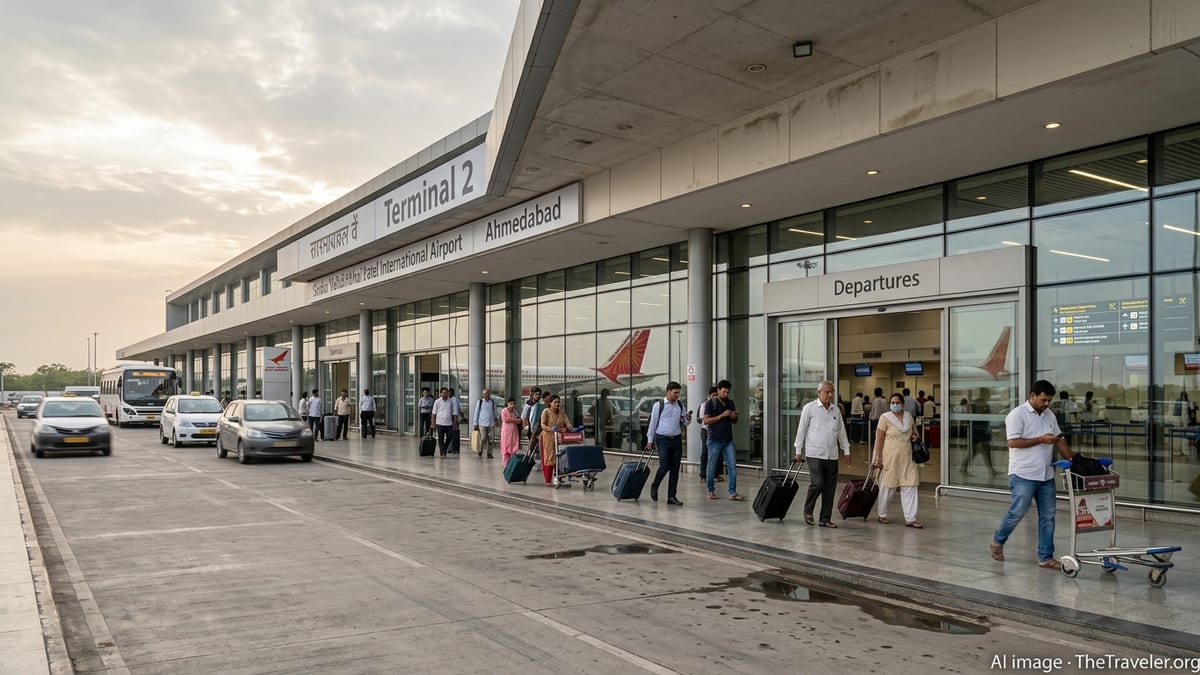
Anger Flares After Ahmedabad–Nashik Flight Cancelled At The Gate
Reports from local outlets describe a tense situation at Ahmedabad airport on 12 November 2026, when an IndiGo service to Nashik was cancelled roughly an hour before its scheduled departure. Passengers had already arrived several hours in advance, checked in and handed over their bags before learning that the flight would not operate.
Coverage citing regional media indicates that the Ahmedabad–Nashik flight was called off after the boarding process was effectively completed, leaving travellers crowded in the departure area and demanding clarity on alternative arrangements. Some passengers reportedly argued that they had received no meaningful explanation for the cancellation and were concerned about missing work commitments and family events in Nashik.
According to published accounts, those affected challenged the rebooking and rerouting options that were offered at the airport, saying these did not provide a direct way to reach Nashik the same day. Footage circulated by Gujarat-based news portals shows groups of passengers gathered near IndiGo counters at the terminal, voicing their anger at what they described as abrupt, last-minute changes.
Local reporting further notes that a separate IndiGo service on the Ahmedabad–Bhopal route was also cancelled on 12 November, heightening tensions among travellers who questioned the carrier’s handling of its operations at a time of already heavy festival-season traffic.
Passenger Protest Highlights Growing Frustration At SVPI Airport
The latest incident follows a pattern of disruption at Sardar Vallabhbhai Patel International Airport that has drawn increasing attention from regional and national media. Recent coverage has highlighted images and video of passengers staging sit-ins and vocal demonstrations inside the terminal after flights were cancelled or heavily delayed close to departure time.
Although multiple airlines operate at Ahmedabad, IndiGo, as India’s largest domestic carrier by market share, has drawn particular scrutiny when its schedules unravel. Earlier coverage this year of nationwide operational issues at the airline showed long queues, distressed travellers and repeated cancellations at several airports, including Ahmedabad, as crews and aircraft struggled to keep to their assigned rotations.
On 12 November, images posted by local digital outlets showed visibly upset IndiGo customers at Ahmedabad surrounding service desks and appealing for faster rebooking, refunds and overnight support. Some travellers reportedly urged fellow passengers to document the situation on their phones and share it publicly, arguing that online visibility was one of the few tools available to hold airlines to account.
Travel news reports point out that the Ahmedabad protest unfolded during a peak travel window around Diwali and Bhai Dooj, when fares on remaining same-day flights to western and central India were already elevated. For many passengers, the combination of late notice, limited seat availability and higher prices sharply reduced practical alternatives once their original flight was pulled from the schedule.
Regulatory Rules On Cancellations And What Travellers Can Expect
The flare-up at Ahmedabad has renewed focus on India’s passenger-protection framework for flight cancellations. Under the Directorate General of Civil Aviation’s Civil Aviation Requirements on flight cancellations and delays, airlines must offer affected domestic passengers either a full refund or an alternative flight in cases where services are cancelled.
The rules distinguish between cancellations communicated more than 24 hours before scheduled departure and those notified closer to departure time. When a cancellation occurs within 24 hours and the passenger has already reached the airport, guidance available through consumer advisories and regulatory summaries indicates that travellers are entitled to a choice between refund and re-routing, with specified monetary compensation in some circumstances if the disruption is within the carrier’s control.
In practice, recent first-hand accounts shared through public complaint platforms and social media suggest that implementation of these protections can be inconsistent. Some IndiGo passengers reporting cancellations from Ahmedabad and other cities describe receiving automatic refunds to their original mode of payment, as outlined in airline statements during wider periods of disruption. Others say they had to seek clarification at the airport, lodge grievances through government portals, or escalate complaints when they felt that rebooking and accommodation support fell short of expectations.
Consumer advocates note that passengers affected by last-minute cancellations can file formal complaints through aviation grievance channels if they believe the remedies offered did not comply with published rules. They add that keeping documentation such as boarding passes, messages about schedule changes and receipts for additional expenses can be important when seeking redress.
Operational Pressures And IndiGo’s Wider Network Challenges
The Ahmedabad protest comes against a backdrop of wider operational challenges for IndiGo. Publicly available reporting over recent months describes multiple waves of cancellations and delays across the airline’s network, driven by factors ranging from crew availability and stricter duty-time regulations to aircraft maintenance and congestion at major hubs.
National business and aviation coverage earlier this year detailed how a combination of new safety-related crew rest rules and tight scheduling contributed to rotational delays that cascaded through IndiGo’s system. When aircraft and crews arrive late from one sector, subsequent flights can be pushed back or cancelled altogether, particularly in a high-frequency network where spare capacity is limited.
Regulatory documents show that Indian competition authorities have opened an inquiry into IndiGo’s market position and practices, reflecting concerns about the impact of concentrated market share on pricing and service quality. At the same time, industry analysts quoted in open sources say that strong post-pandemic demand and constrained capacity across the domestic market have left airlines with little margin for error, and passengers with fewer alternatives when schedules unravel.
For Ahmedabad, which handles tens of thousands of passengers daily and serves as a key gateway for Gujarat, such network pressures have combined with festive peaks to create particularly visible flashpoints when flights are cancelled late. Recent episodes involving other carriers at the same airport, where stranded travellers staged sit-in protests after services were pulled, underline that the underlying stress is not confined to a single airline.
What The Ahmedabad Incident Signals For Future Air Travel
Travel industry observers say the latest disruption at Ahmedabad highlights how quickly operational issues can escalate into reputational damage when communication breaks down. Passengers affected by the IndiGo cancellations have publicly pointed to gaps between digital status updates, on-the-ground announcements and the practical support made available once a flight is withdrawn.
Public commentary in the wake of the protest has focused on the importance of timely notifications and transparent explanations when cancellations occur, especially during busy travel periods. Several recent cases in India have involved passengers learning of cancellations only after arriving at the airport, or receiving notice close to or even after the scheduled departure time, which sharply limits their options.
As IndiGo works to stabilise its operations, the scenes at Ahmedabad are likely to feed into ongoing debates about passenger rights, airline accountability and the resilience of India’s fast-growing domestic aviation sector. For travellers, the episode serves as a reminder to monitor flight status closely on the day of departure and to be familiar with the remedies available if a last-minute cancellation disrupts their plans.
With demand for air travel in and out of Ahmedabad expected to remain strong, future incidents of mass disruption could prompt closer attention from regulators and consumer bodies to how airlines manage cancellations, communicate with customers and deliver on the compensation and support described in public rules and policy documents.