


More news on this day
Europe’s rail industry has entered a new phase of digital modernisation as large scale tests begin for the Future Railway Mobile Communication System, a 5G based platform intended to replace the ageing GSM R network that underpins train operations across the continent.
Get the latest news straight to your inbox!
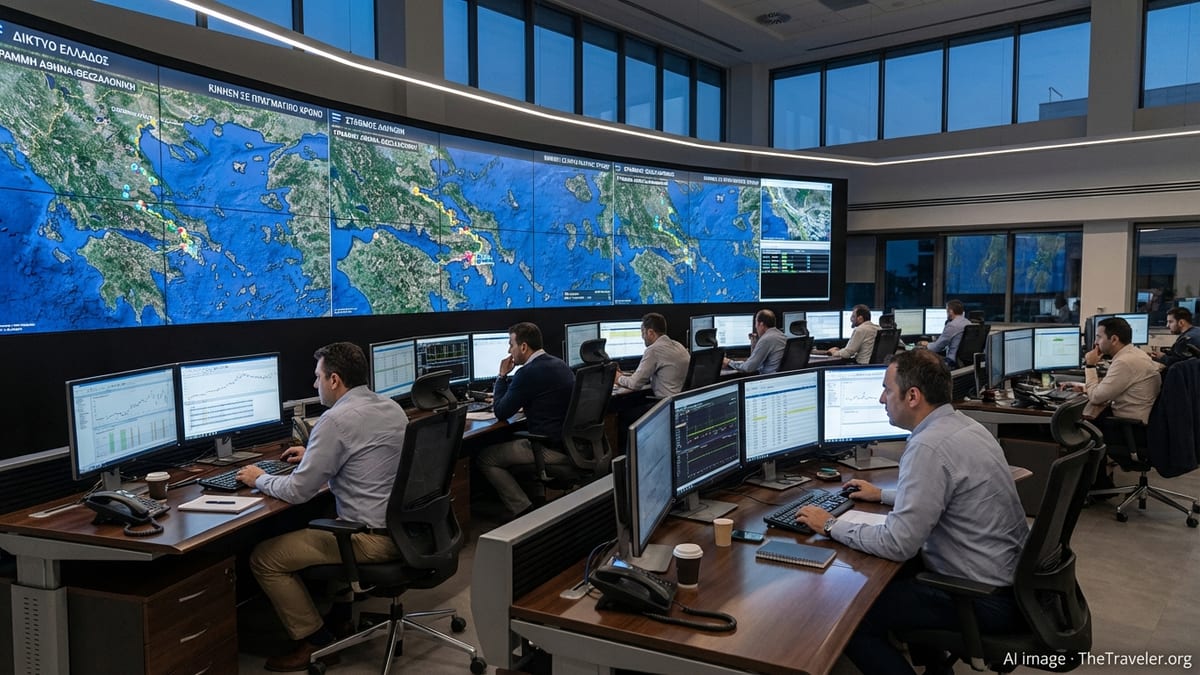
From GSM-R to 5G: A critical systems upgrade
The launch of formal FRMCS testing marks a turning point for European railways, which have relied on GSM R, a 2G based system, for more than two decades. Publicly available information from European programmes describes FRMCS as the next generation communications standard designed to carry both voice and high capacity data for rail operations, positioning it as the backbone of future signalling, traffic management and automation.
Reports indicate that GSM R is approaching the end of its lifecycle in the 2030s, prompting infrastructure managers and operators to prepare for a managed switchover. Maintaining safe operations while migrating from one communications system to another is a complex exercise, which is why the sector is moving through clearly defined phases of laboratory integration, test track trials and, later, pilot deployments on live routes.
Technical papers and deployment plans describe FRMCS as 5G based, with support for advanced services such as real time train diagnostics, enhanced emergency communications and improved connectivity for driver advisory systems. While passenger facing Wi Fi and onboard entertainment often attract public attention, this new platform is primarily focused on safety critical and operational services that must function reliably in all conditions.
Europe wide test campaign gathers pace
According to recent coverage from rail industry platforms and European research bodies, the continent’s rail sector has now entered a laboratory integration phase for FRMCS, with dedicated test environments operated by major telecom and rail technology suppliers. These laboratories are being used to verify that onboard equipment, trackside radios, 5G networks and control centre systems from different manufacturers work together to a common specification.
Publicly available project descriptions highlight that three main integration laboratories, operated by different vendors, are playing a central role in this first wave of tests. Their work focuses on services such as operational voice calls, railway emergency calls and data exchange for systems including the European Train Control System, automated train operation and train control and monitoring. Successful verification in the lab is viewed as a prerequisite for field trials that are expected to begin on selected lines from 2027.
In parallel, international railway organisations are coordinating broader test and plugfest events that bring together railways, suppliers and mobile network operators. Recent conferences and technical meetings in Paris and other European hubs have showcased interoperability trials, early implementation experiences and feedback from pilot projects on national test tracks, signalling that FRMCS is moving from concept stage to practical deployment planning.
What FRMCS means for passengers and cross-border travel
Although FRMCS is a behind the scenes technology, the move to 5G based rail communications is expected to influence the travel experience over the coming decade. By enabling more reliable and higher capacity links between trains and control systems, FRMCS is intended to support smoother traffic management, fewer disruption cascades and more accurate real time information for passengers.
European policy documents repeatedly link FRMCS to wider goals of expanding rail’s role in sustainable mobility. Improved digital communications are seen as a key enabler for running more trains on existing infrastructure, strengthening international corridors and integrating long distance rail with regional and urban services. For travellers, this could gradually translate into more frequent services, better connections and improved punctuality on cross border routes that currently suffer from fragmented signalling and legacy equipment.
FRMCS is also expected to make it easier for new operators to access networks, because a harmonised standard reduces the need for country specific onboard equipment. Industry surveys and work plans note that operators are already planning how to equip future rolling stock with FRMCS capable radios, while ensuring that trains can still interface with GSM R or other legacy systems during the long transition period.
Managing risk during a long transition
Recent technical studies and policy papers emphasise that the move from GSM R to FRMCS will take place over many years and must be managed carefully to avoid creating new vulnerabilities. Coexistence of both systems is expected for an extended period, which requires robust planning for spectrum use, roaming between technologies and cyber security across increasingly connected networks.
European deployment groups have published work plans outlining activities through at least 2027, including risk analyses, questionnaires to infrastructure managers and operators, and iterative updates to technical specifications. These documents show that authorities and industry stakeholders are treating the migration not just as a technology upgrade, but as a system wide change affecting operations, maintenance, procurement and staff training.
Laboratory testing is therefore being used to explore edge cases such as degraded radio conditions, high traffic loads and emergency scenarios. Insights from these tests will shape certification procedures for onboard and trackside equipment, helping to ensure that trains can safely operate under both the existing and new communications systems during the transition.
Next steps on Europe’s FRMCS roadmap
Looking ahead, publicly available timelines from European programmes suggest a phased progression from today’s integration tests to broader field trials and, eventually, large scale deployment. After the current laboratory phase, test runs on dedicated lines and selected main routes are expected to verify performance in real operational environments, including high speed corridors and complex junction areas.
Ongoing conferences and information sessions are being used to gather feedback from operators, signal engineers, telecom providers and equipment manufacturers, feeding into updated specifications and deployment guidance. This iterative approach is intended to give railways enough confidence to invest in FRMCS equipment that will remain compatible as the standard matures.
For travellers, the start of FRMCS testing is an early but important signal that Europe is modernising the digital foundations of its rail network. The benefits will emerge gradually over the next decade, as the technology moves from laboratories and test tracks to everyday operations on intercity, regional and cross border services across the continent.