


More news on this day
A woman was struck and killed by a Sounder commuter train near Carkeek Park in north Seattle on Tuesday evening, halting rail traffic along the busy waterfront corridor and prompting a fresh look at safety near the popular shoreline trails.
Get the latest news straight to your inbox!
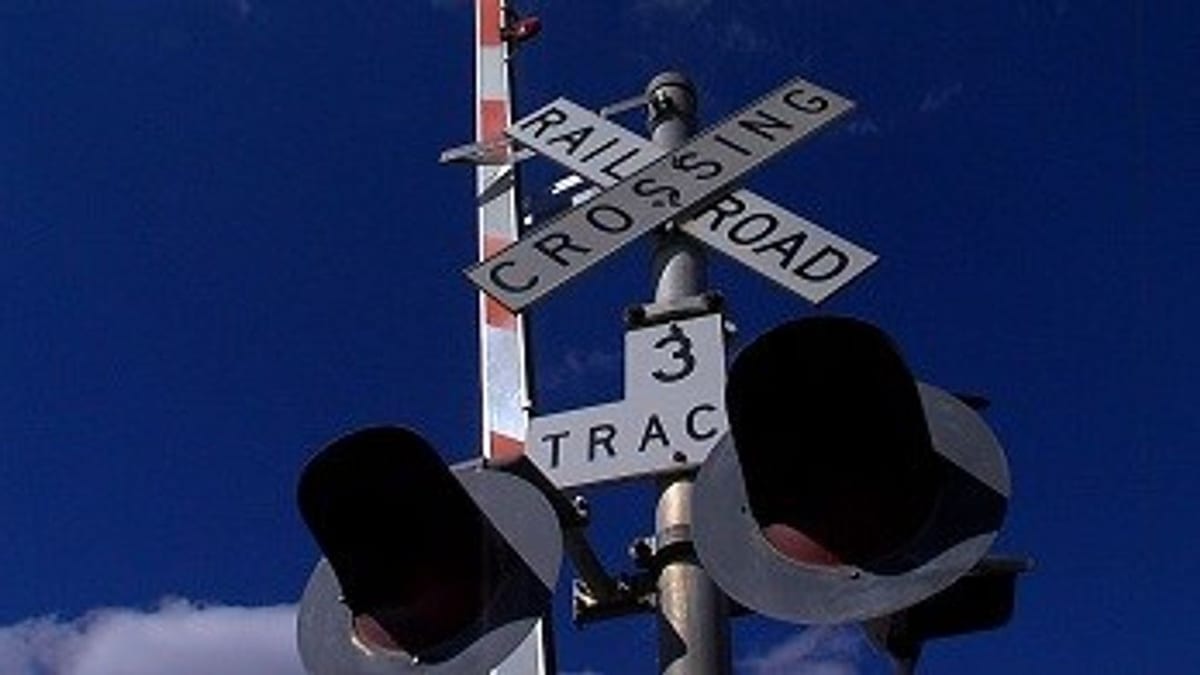
Fatal collision near waterfront park
Reports indicate the fatal collision occurred early Tuesday evening, July 7, 2026, on the tracks that run between the beach at Carkeek Park and the bluff-side trails above. Coverage from local television outlets describes a northbound Sounder train striking a woman on or near the tracks, with emergency crews responding to calls around the dinner hour.
Publicly available information from regional newsrooms notes that the woman died at the scene despite efforts from first responders. Rail traffic was suspended in both directions for a period while investigators documented the site and crews worked in the constrained area between the shoreline and the steep embankment.
Additional reports referencing Sounder operations specify that the train involved was part of Sound Transit’s N Line, which connects Seattle with communities along the eastern shore of Puget Sound. The line passes directly beneath Carkeek Park’s pedestrian overpass, a structure that typically provides the only designated route between the park’s upland areas and the beach.
Initial coverage does not clarify why the woman was on or near the tracks at the time of the collision or whether she was alone, leaving many questions unanswered as agencies complete their inquiries.
Disruptions to Sounder service and nearby travel
The collision led to delays and cancellations for Sounder commuters, especially riders on the north corridor that links Seattle with Edmonds, Mukilteo, and Everett. Local broadcast reports describe trains being held while the tracks were closed, affecting both evening commuters and travelers returning from downtown Seattle.
Because the tracks are squeezed between Puget Sound and a steep hillside, access for emergency vehicles is limited. Publicly available accounts describe trains stopped on the line for an extended period while responders staged at Carkeek Park and adjacent access points. Riders reported waits on board while officials determined when it was safe to move the train equipment away from the scene.
Drivers using nearby roads did not face the same level of disruption, since the rail line in this area runs along the shore, separated from main arterials. However, people heading to the beach portion of Carkeek Park encountered closures or detours as responders temporarily restricted access around the pedestrian overpass and beachfront trails.
By later in the evening, reports indicate that rail traffic gradually resumed, though some trains operated behind schedule and replacement transportation options were limited due to the line’s coastal alignment and distance from parallel transit routes.
Carkeek Park’s setting and exposure to rail activity
Carkeek Park is one of north Seattle’s best-known shoreline parks, with wooded ravines, salmon-bearing streams, playgrounds, and a sandy pocket beach that looks west across Puget Sound and the Olympic Mountains. The Burlington Northern Santa Fe corridor and Sounder tracks cut through the lower section of the park, separating the main parking and picnic areas from the beach.
The city has long directed visitors to use a large pedestrian overpass that spans the tracks as the primary connection to the waterfront. Park information and local recreation guides emphasize that the overpass is the only official and recommended way to reach the beach, reflecting persistent concerns about the dangers of walking along or crossing the tracks at ground level.
Despite these warnings, nearby residents and regular park users commenting in public forums have described informal paths and gaps in fencing that can tempt people to access the shoreline more directly. Some note that changes in tides and the narrow beach can occasionally push walkers closer to the tracks, creating potential conflicts with trains that pass through at speed.
The combination of scenic views, curving tracks, and frequent freight and commuter rail traffic makes the area both visually dramatic and inherently hazardous for anyone who steps into the right of way. Tuesday’s fatality underscores that risk in a park that otherwise serves as a quiet escape within the city.
Context of rail safety along Puget Sound
The death near Carkeek Park adds to a broader pattern of rail-related incidents along the Puget Sound shoreline. Publicly accessible safety reports and earlier news coverage have documented previous fatalities and injuries between Golden Gardens in Ballard and points north where tracks closely parallel beaches, trails, and residential neighborhoods.
Sounder trains share this corridor with long freight consists serving ports and industrial facilities, increasing the frequency of rail movements through scenic waterfront areas. Safety advocates have repeatedly highlighted the challenges of keeping people off the tracks where fencing is incomplete, crossings are limited, and park or neighborhood access routes intersect the rail line.
Regional transportation safety documents show that agencies track collisions and near misses involving pedestrians on or near rail lines, including those associated with commuter services like Sounder. While the overall rate of serious incidents remains low compared to the volume of train movements, each case raises renewed questions about whether additional barriers, signage, education campaigns, or enforcement could further reduce risk.
Residents discussing the latest fatality in online community spaces have pointed to a mix of factors, including the allure of shortcuts to the beach, photography and train-watching, and misunderstandings about train speed and stopping distance. The conversation reflects an ongoing tension between public access to waterfront spaces and the operational realities of a major rail corridor.
Ongoing investigations and community response
Published coverage states that the circumstances leading up to Tuesday’s collision remain under investigation. Typically, such inquiries review train speed, horn use, and video recordings, as well as any available information about the pedestrian’s actions before impact. Results often inform internal safety reviews and, in some cases, prompt infrastructure or policy changes along the corridor.
In the immediate aftermath, the incident has renewed public discussion about safety at Carkeek Park specifically. Commenters in local media and community forums have questioned whether existing fencing and signage are sufficient, and whether there are better ways to guide visitors toward the pedestrian overpass and away from informal routes.
For Sounder riders and residents living near the tracks, the death near Carkeek Park serves as a stark reminder of the hazards associated with walking or standing close to active rail lines. The corridor offers sweeping views and convenient access to the shoreline, but trains move quickly and cannot stop in time to avoid someone in their path.
As investigations proceed, agencies responsible for passenger rail service, freight operations, and park management are expected to review the findings alongside community feedback. The discussions are likely to focus on how to preserve access to Carkeek Park’s prized waterfront while reinforcing the message that the tracks themselves remain strictly off-limits.