


More news on this day
Europe has been ranked the world’s safest global travel destination in new research from the European Travel Commission, with long-haul visitors citing security, reliability and overall confidence as decisive reasons for choosing holidays across the continent this year.
Get the latest news straight to your inbox!
Safety Reputation Puts Europe Ahead of Global Competitors
The latest Long-Haul Travel Barometer 2/2026, produced by the European Travel Commission in partnership with Eurail, reports that Europe is perceived as the safest region worldwide among major competing destinations. Across surveyed markets including the United States, Canada, Brazil, Australia, China, Japan and South Korea, respondents consistently rated Europe highest on political stability, personal security, low exposure to natural hazards and peaceful relations with local populations.
Publicly available summaries of the study indicate that Europe leads across all five safety dimensions tracked in the research, with particularly strong scores for political stability and everyday personal safety in cities and tourist areas. This safety premium is emerging as a crucial advantage at a time when many travellers are weighing risks more carefully and comparing regions not only on price or attractions, but on how secure they expect to feel on the ground.
The findings build on earlier waves of the Long-Haul Travel Barometer and related sentiment surveys, which have repeatedly identified safety as the top criterion for choosing a holiday destination in Europe. The European Travel Commission’s 2024 barometers already showed that security considerations outweighed even iconic landmarks and price in the decision-making process for many overseas tourists planning European trips.
Industry coverage of the 2026 results highlights that this long-term perception has crystallised into a clear global ranking, with Europe now firmly positioned as the safest overall destination region in the eyes of international travellers.
Why Travellers Associate Europe With Secure, Reliable Holidays
Research referenced by the European Travel Commission points to a convergence of structural and practical factors underpinning Europe’s safety reputation. These include comparatively low violent crime rates in many European countries, extensive public transport networks, and well-established emergency and health services that are accessible to visitors. Road safety statistics from international organisations also show that the European Union has among the lowest traffic-fatality rates in the world, which further contributes to an overall sense of security for tourists moving between cities and regions.
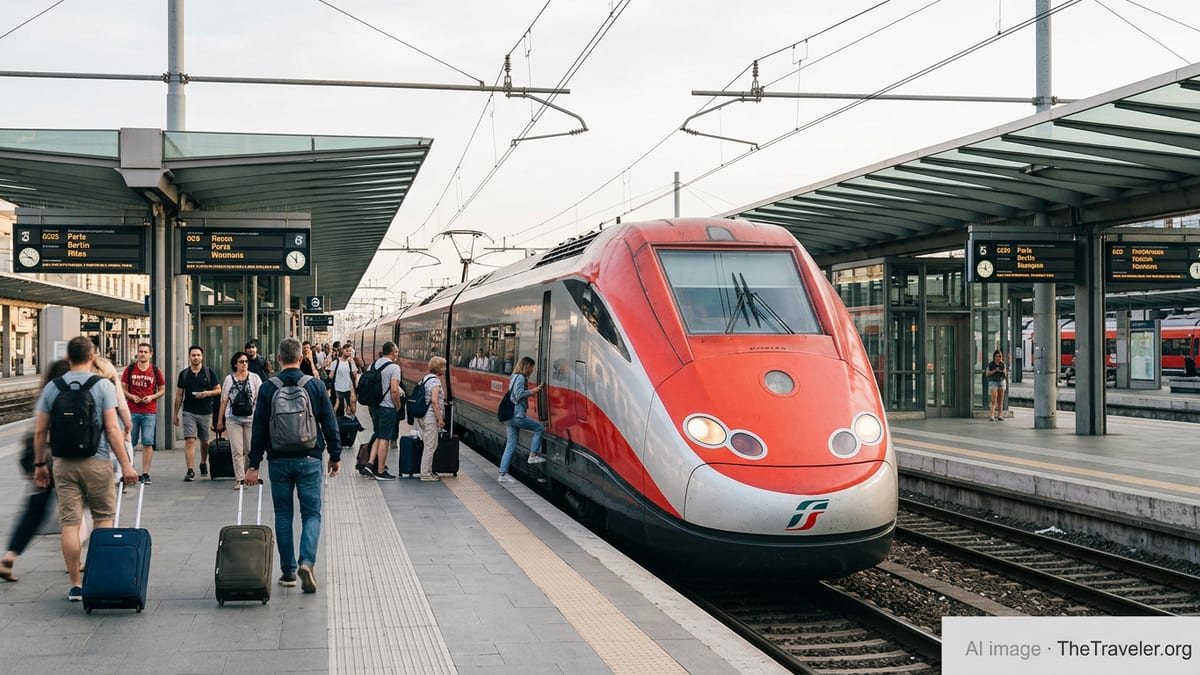
In addition to hard safety indicators, visitor sentiment is shaped by the perceived reliability of services. The Long-Haul Travel Barometer and related reports emphasise that travellers value Europe’s dense network of airports, high-speed trains and regional rail, which together provide multiple fallback options when disruptions occur. The growing popularity of rail passes and point-to-point train tickets, highlighted in recent ETC bulletins, reflects travellers’ confidence in being able to move safely and predictably across borders.
Travel-industry analysis also links Europe’s reputation for safety to the maturity of its tourism infrastructure. A long-established accommodation sector, clear consumer-protection frameworks and widespread digital tools for booking and wayfinding all help visitors feel prepared and informed before they arrive. For many travellers, especially first-time long-haul visitors from markets such as China or Brazil, this combination of safety, transparency and infrastructure reduces perceived risk and encourages longer, multi-country itineraries.
Perception surveys indicate that concerns about global instability and rising travel costs have not displaced safety as a priority. Instead, travellers appear to be seeking destinations that combine physical security with dependable logistics and clear information, a mix that Europe continues to offer across its most visited regions.
Cost Pressures and Confidence: How Safety Shapes 2026 Travel Plans
The latest European Travel Commission briefings note that 2026 long-haul travel demand to Europe is being shaped by parallel trends: persistent cost pressures and growing risk awareness. While inflation and higher airfares are prompting some travellers to reconsider the length or timing of trips, safety remains a decisive filter in choosing where to go. Reports on the 2/2026 barometer state that many respondents are willing to adjust their budgets or travel styles, but are less willing to compromise on destinations they perceive as secure and well managed.
Published analysis of the barometer shows that, despite economic headwinds, Europe continues to attract strong interest from long-haul markets. The region’s safety ranking appears to encourage travellers to prioritise Europe even when they cut back on other discretionary spending. In several key markets, Europe retains a leading share of those planning overseas travel, supported by the belief that money spent on a European holiday buys not only experiences and culture, but also peace of mind.
At the same time, caution is shaping how trips are organised. The European Travel Commission’s research points to rising interest in flexible booking conditions, robust travel insurance and transport options that can be easily rebooked if plans change. Travellers are looking for destinations where they expect clear communication, responsive operators and predictable regulations, all areas in which Europe is widely seen as performing strongly.
As a result, tour operators and national tourism boards across the continent are increasingly foregrounding safety and reliability in their messaging, complementing traditional emphasis on heritage, food and landscapes. Industry commentary suggests that this alignment with traveller expectations is helping Europe maintain its global appeal even as competition from other regions intensifies.
Inside the Numbers: How the European Travel Commission Measures Safety
The 2026 ranking of Europe as the safest global destination is based on perception metrics compiled by the European Travel Commission and its research partners. According to public documents outlining the Long-Haul Travel Barometer methodology, respondents in selected long-haul markets are asked to rate major world regions across several safety-related dimensions, including political stability, personal security in public spaces, exposure to natural hazards, health and sanitary conditions, and the perceived friendliness and peacefulness of local populations.
Europe’s strong performance across all of these categories sets it apart from competing regions that may excel in one or two areas but record lower scores elsewhere. For example, some destinations may offer low crime but rank lower in terms of political stability, or have strong infrastructure but higher perceived exposure to extreme weather or natural disasters. By contrast, Europe’s scores are described in ETC materials as consistently high and relatively balanced across the full safety profile.
The Commission supplements perception-based indicators with behavioural data. Visitor-intention surveys, advance bookings and spending patterns are tracked alongside reported concerns about safety, health and cost. When travellers who initially express safety worries nonetheless choose Europe for their trips, analysts interpret this as evidence that the region’s reputation and practical safeguards are sufficient to overcome hesitations.
Annual reporting from the European Travel Commission also places these findings in a broader context of tourism recovery, digitalisation and sustainable development. Safety and trust are presented not as isolated statistics, but as fundamental conditions for long-term growth, investment and community support for tourism across member countries.
What Europe’s Safety Lead Means for Tourists in 2026
For travellers planning European holidays in 2026, the latest research suggests a landscape where safety and reliability are central to both policy and promotion. National and regional tourism organisations are investing in clearer communication around health and security protocols, traveller rights and real-time disruption updates, all intended to reinforce confidence before and during trips.
On the ground, visitors can expect continued attention to practical measures that influence perceived safety, from well-lit public spaces and extensive surveillance on public transport to visible staff presence in transport hubs and tourist districts. Publicly available information from European institutions shows ongoing efforts to strengthen road safety, modernise border management technologies and coordinate emergency responses, all of which feed into the sense of a managed, predictable environment for tourists.
At the same time, analysts note that safety perceptions are not uniform across Europe, and travellers still tend to differentiate between countries and cities. Some urban centres attract more media attention for specific incidents, while smaller destinations benefit from reputations as tranquil and low-risk. The European Travel Commission’s own research, however, indicates that the overall brand of “Destination Europe” continues to carry a strong association with safety compared with other world regions.
As long-haul travellers finalise their 2026 itineraries, the combination of stable institutions, robust infrastructure and a long track record of hosting international visitors appears to be keeping Europe at the top of the list. For millions of tourists weighing where to spend their time and money, the promise of secure, reliable and confident holidays remains one of the continent’s most persuasive selling points.